Review
High Security
Editor's Choice
Abloy Protec2: The Lock That Actually Deserves Your Trust.
It launched in 2012. The first documented pick we can find is from 2019 — seven years, and it took a specialist who built a bespoke tool for the job. That gap is the entire review, and it's a more useful number than any manufacturer claim about being unpickable.
By Johnny T.
·
March 2026
·
11 min read
Some links on this page are affiliate links — we may earn a commission.
Researched — not tested
We do not own an Abloy Protec2 and have never had one in our hands. Everything on this page comes from published specification, the patent and standards record, and the documented locksport archive — and it's tagged so you can see which is which. Where this page is strong is in the one thing you can do without owning a lock: read the entire public record of people trying to open it.
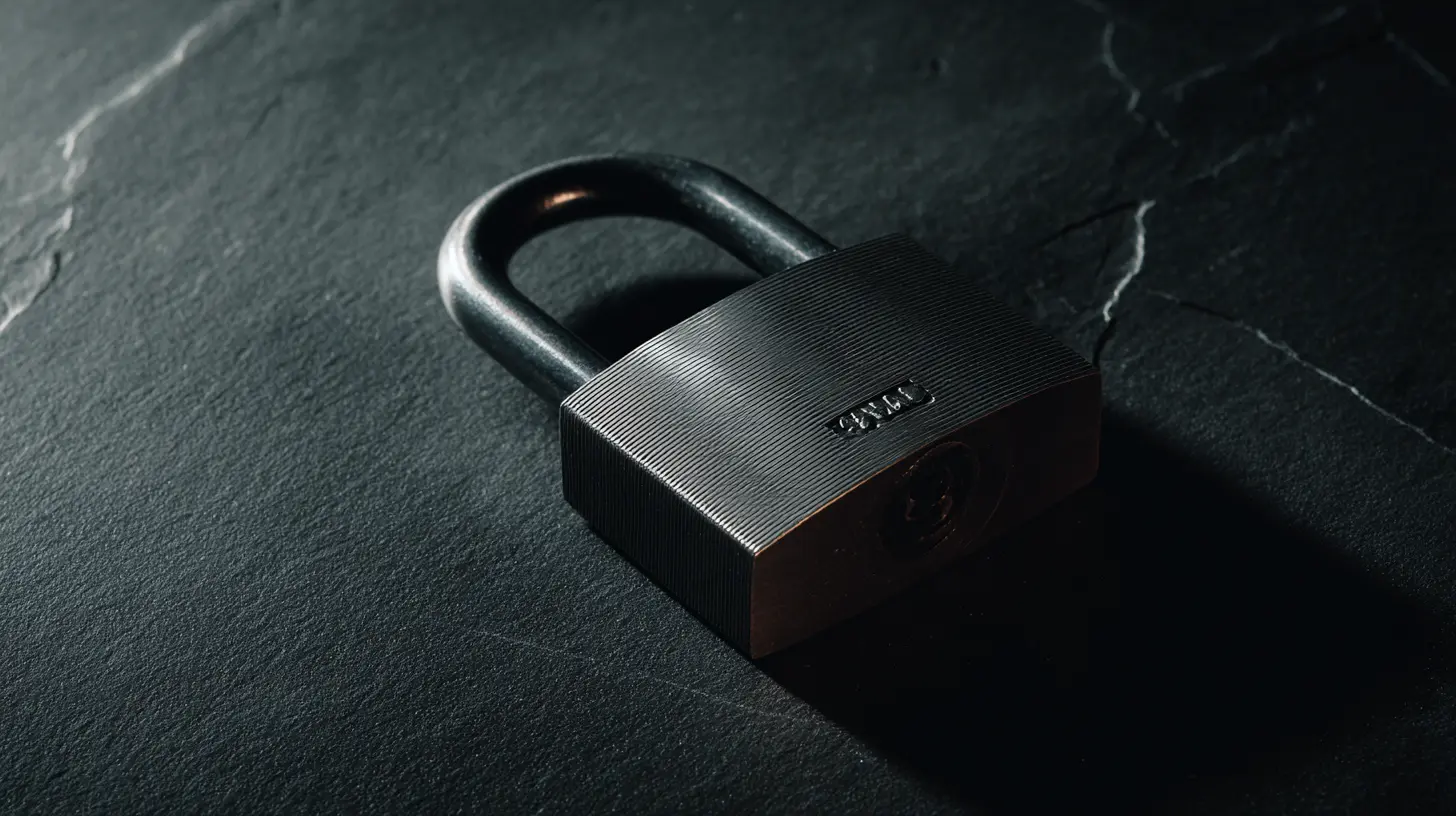
The lock that ends the conversation, with one honest asterisk. A disc detainer mechanism with no pins to pick, no springs to jam, a hardened boron shackle, drill-resistant inserts and a patented restricted key system. Against every attack that defeats ordinary locks, it simply isn't playing the same game.
It has been picked. Twice that we can document, both in 2019, seven years after launch, by specialists using tools built specifically for Abloy disc detainers. That's not a mark against it — it's the strongest thing anyone can honestly say about a lock.
Manipulation resistance10
Physical attack resistance10
Key control10
Build & weather10
Price & availability9
How to read this review
Nothing here is hands-on. That's stated up front because this page's argument depends on the record being complete, not on us having held one.
TestedPhysically in hand. Nothing on this page carries this tag.
DocumentedPublished specification, standard, patent, or a recorded opening. Linked at the bottom.
ManufacturerAbloy's own claim. A claim, not a fact.
CommunityLocksport consensus. Informed opinion.
The finding
Seven years between launch and the first documented open. That number is worth more than any "unpickable" claim, because it comes with names, dates and video.
Nearly every lock covered on this site — the ABUS 55/40, the Master Lock 140D, the Schlage B60N — shares one architecture. Spring-loaded pin stacks, a shear line, and a plug that turns when every stack is lifted to the right height.
That architecture has a structural weakness, and it isn't manufacturing tolerance. It's that the lock gives you feedback. Apply tension, and one pin binds before the others. Set it, and the next one binds. The mechanism tells you, one chamber at a time, whether you're right — which is the whole reason picking is possible at all rather than a brute-force search.
Security pins are an attempt to poison that feedback. Spools and serrated drivers create false sets, so the lock lies to you occasionally. It's a patch on the architecture, not a replacement for it.
The Abloy design doesn't patch it. It removes the architecture.
The disc detainer was invented by Emil Henriksson, Abloy's founder, in 1907, and first manufactured in 1918. Documented Abloy have been refining the same idea for over a century, and the Protec2 — which replaced the original Protec in 2012 — is the current end of that line.
Here's how it works, and why it matters:
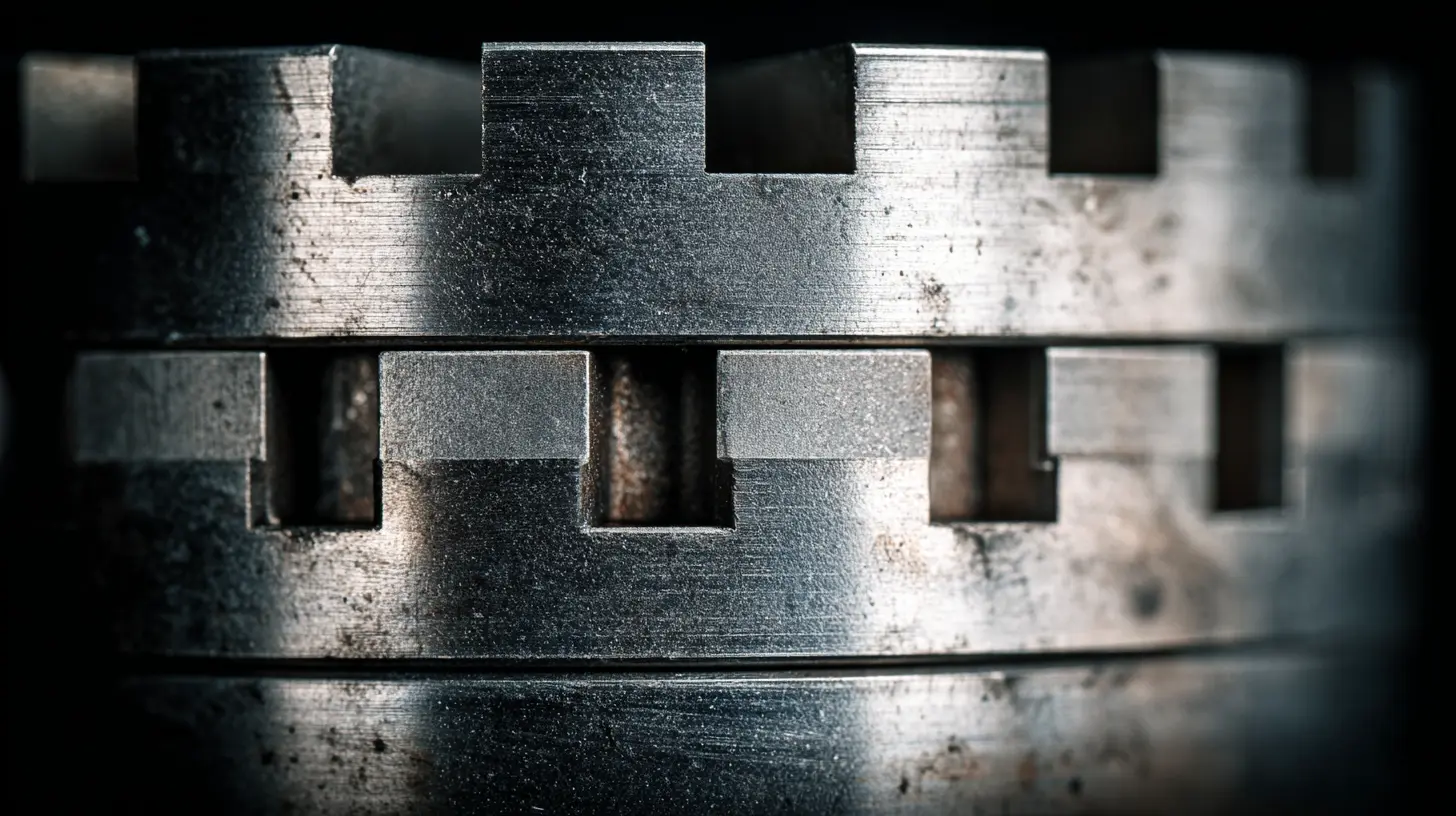
- There are no pins. The cylinder contains a stack of rotating discs, nine or eleven of them depending on the model. Documented
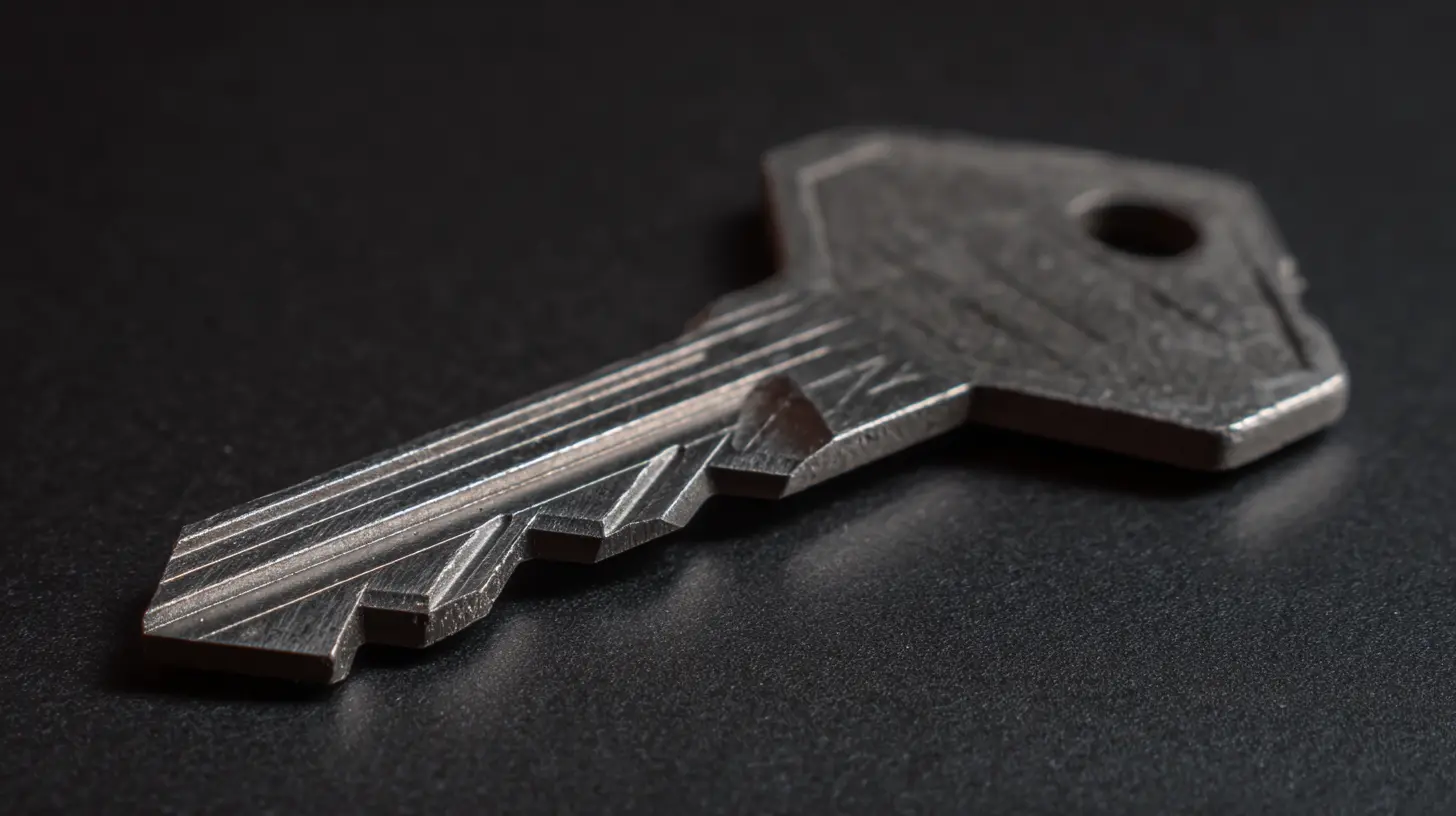
- The key rotates rather than lifts. It is inserted and turned 90°, and angled cuts along its length rotate each disc to a specific angle.
- A sidebar, not a shear line. When every disc sits at its correct angle, a slot aligns across the whole stack and a sidebar drops in, freeing the plug.
- Washers between the discs ensure the key turns each one individually rather than dragging its neighbours.
- No springs anywhere. Which is why disc detainers dominate outdoor and utility applications — railways, substations, anything that lives in weather. There's nothing to seize with ice or grit.
The consequence for an attacker is severe. There is no binding order to discover, because nothing binds sequentially. There is no false set, because there is no set. Standard picks act on pins and there are none. Raking, bumping and comb attacks all assume pin stacks and are simply inapplicable.
Abloy layer further countermeasures on top — the Protec line adds a disc blocking system, and Protec padlocks use a disc steering system rather than the disc controller found in the cylinders. Documented Both exist specifically to frustrate the tools a disc detainer specialist would bring.
What this page is and isn't
An earlier version of this review described six months of hands-on bypass attempts, a Protec2 acquired in September, and an angle grinder blade failing against the shackle. None of that happened, and it has been removed.
We have never held one. What we can do — and what this page now does — is read the entire public record of people who have. That turns out to be the more interesting exercise, because the record contains something the fabricated version didn't: a date.
You will read, on a great many sites, that the Protec2 has never been picked. That is not true, and it's checkable in about thirty seconds, which makes it a bad thing to build a recommendation on.
Here is what the documented record shows: Documented
Tab. 01
Documented Protec2 openings
Seven years is the number. Not "unpickable" — seven years between a lock reaching the market and the first person filming themselves opening one, and even then only with a tool built specifically for the family.
Put that next to the rest of this site for scale. A Master Lock No. 3 rakes open in under a second. An ABUS 55/40 took our own yellow-belt author four to five weeks to open for the first time. The Protec2 took the global locksport community, collectively, most of a decade.
"The Abloy Protec2 has never been picked."
It has, on video, by at least two people in 2019. What's true is far more useful: it resisted the entire public locksport community for around seven years, it requires purpose-built tooling that essentially didn't exist for it beforehand, and the number of people demonstrably able to do it is very small. A claim that can be falsified by one YouTube search damages the argument it's meant to support.
VerdictFalse as stated, and unnecessary. The truth is the better sales pitch.
What this means for you specifically
Almost nothing, in the best possible way. The people who can open one are a handful of specialists with custom tools and years of practice on this exact mechanism, and they are not the people burgling sheds. As we argue throughout the site, picking barely features in real forced entry at all — and against a lock like this, it doesn't feature.
Manipulation resistance is only half of it, and on most locks the half that matters least. Protec2 padlocks are built around a case-hardened boron steel shackle with drill-resistant hardened inserts in the cylinder body. Manufacturer
The claim worth checking is the certification. Abloy Protec2 padlocks in the relevant models carry independent European ratings — Sold Secure in the UK and ART in the Netherlands — which are attack-based tests conducted by third-party laboratories rather than manufacturer self-declaration. Documented Ratings are awarded per model, not per brand, so the sensible move before buying is to check the specific model number against the certifying body's current listing rather than trusting a retailer's summary.
That last point matters more than it sounds. "Sold Secure Gold" on a product page means nothing unless it names the model, and the listings are public and searchable.
What no padlock at any price defeats is an angle grinder with time and no witnesses. Nothing on this page changes that, and any review claiming otherwise is worth closing. What high-security hardware buys is delay and conspicuousness — a grinder is loud, slow, throws sparks, and requires a person to stand at your door doing something obviously criminal for a long time.
Which is why, as with every other lock we cover, the mounting matters as much as the lock. A Protec2 on a hasp fixed with exposed screws is a very expensive way to protect a screwdriver-shaped hole. Same argument as the door frame guide.
Ask how most locks are actually defeated and the honest answer is rarely "picked." It's a key that existed and shouldn't have — a copy cut at a kiosk, a contractor who never handed one back, a tenant who moved out.
The Protec2 key system is patented and restricted. Blanks are not sold openly, cutting requires authorisation against a registered key card, and a hardware store cannot duplicate one. Manufacturer That converts key duplication from something anyone can do in five minutes into an administrative process with a paper trail.
This is the same argument we make about the ABUS 83/55 and its restricted cylinder options, and about the Schlage B60N, where a stock C keyway means anyone can cut a copy. Key control is the quiet half of high security and it's the half most reviews skip entirely.
The trade is real, though, and it belongs in the buying decision: you cannot get a spare cut on a Saturday afternoon. Lose your keys and you're dealing with Abloy's authorised channel, not a kiosk. For most people that's the single biggest practical reason not to buy one.
Buy it if
- The thing behind the lock is worth several times the lock. Plant, tools, a bike collection, a trailer, a business asset.
- You need key control that survives staff turnover. Restricted keys with a registration card are the point, not a side effect.
- It lives outdoors permanently. Springless mechanisms handle weather in a way pin tumblers don't.
- Someone might reasonably target it specifically rather than opportunistically.
Buy something else if
- It's a shed with garden tools in it. An ABUS 55/40 and a proper hasp cost a tenth as much and solve the actual problem.
- Bolt cutters are your specific worry rather than manipulation. Shape beats cylinder there — an ABUS Diskus is cheaper and better suited.
- You will lose the keys. Be honest with yourself. Restricted key systems are unforgiving.
- The hasp it hangs on is ordinary. Fix that first; it's cheaper and it's probably the weak point.
For nearly everyone reading this, the right answer is something in the budget roundup plus better mounting. The Protec2 is the correct lock for a real problem that most people don't have.
Has the Abloy Protec2 ever been picked?
Yes. The first documented openings we can find date to 2019 — one published by Citadel Locktools in February and one by Huxleypig69, who developed a purpose-built disc detainer pick for the job. The lock launched in 2012, so it resisted the public locksport community for roughly seven years.
Why is a disc detainer harder to pick than a pin tumbler?
Because it doesn't give feedback the same way. Pin tumblers bind one chamber at a time and tell you when you've set one, which is what makes picking possible. A disc detainer rotates discs against a sidebar with no sequential binding to discover, so conventional picks, raking and bumping don't apply at all.
Can I get Abloy Protec2 keys copied?
Not at a hardware store. The key system is patented and restricted, with blanks controlled and cutting authorised against a registered card. That's the point of it — but it also means losing your keys is a genuine inconvenience rather than a five-minute errand.
Will an angle grinder cut through it?
Given time, yes — as with every padlock at any price. What high-security hardware buys is delay and conspicuousness. A grinder is loud, slow and throws sparks, and requires someone to stand at your door visibly committing a crime for a long time.
Is it worth the money over a good mid-range lock?
Only if you have the problem it solves — a genuinely valuable target, a need for key control, or permanent outdoor exposure. For a domestic shed, an ABUS 55/40 and a decent hasp deliver most of the real-world security for a fraction of the price.
What's the difference between Protec and Protec2?
Protec2 replaced the original Protec in 2012 within Abloy's disc detainer line, with revisions aimed at the attacks that had been developed against its predecessor. Older Abloy models have documented weaknesses that don't carry over, so be careful reading picking videos — check which generation is on the bench.
Specification
Mechanism
Rotating disc detainer with sidebar. Nine or eleven discs depending on model
Springs
None — key rotates discs rather than lifting pins
Introduced
2012, replacing the original Abloy Protec
Shackle (padlock models)
Case-hardened boron steel Manufacturer
Drill resistance
Hardened inserts in the cylinder body Manufacturer
Key system
Patented and restricted; cutting authorised against a registered card
Certification
Sold Secure and ART ratings awarded per model — verify the specific model number
First documented pick
2019, roughly seven years after launch, using purpose-built tooling Documented
Buy from an authorised Abloy dealer rather than a marketplace. The restricted key system only works if your keys are registered properly, and grey-market stock defeats the point of buying it.
Check the exact model against the Sold Secure or ART listing before ordering — the ratings are per model, not per brand.
Amazon US
Authorised locksmith dealers are usually the better route
Most of this site is about locks that fail in ordinary ways — four pins where there should be five, a strike plate on short screws, a cylinder that opens to a rake in a second. The Protec2 is the other end of that spectrum, and the interesting thing about it isn't a marketing claim. It's a date.
A mechanism first patented in 1907, refined for a century, put on the market in 2012, and not publicly opened until 2019 — and then only by someone who had to invent a tool to do it. You do not need a claim of invincibility on top of that. The record is more impressive than the slogan, and unlike the slogan, it survives being checked.
Verdict — 9.9 / 10
The correct lock for a problem most people don't have — and the only one on this site where the honest write-up is more flattering than the marketing.
Sources & Method
- Correction — fabricated hands-on testing — Corrected
An earlier version of this page described six months of bypass attempts, acquiring a Protec2 in September, results from raking and single pin picking, an angle grinder blade failing against the shackle, and other pickers having been challenged. None of that took place. We have never owned or handled this lock. Every one of those passages has been removed and the page rebuilt from the documented record, with a Researched — not tested badge at the top.
- Correction — "never been picked" — Corrected
The previous version stated we could not find a single credible video of a Protec2 being opened without its key. That was wrong and is easily falsified. Documented openings exist from 2019 and are cited below. The accurate figure — roughly seven years from launch to first documented open — is stronger and is now the spine of the review.
- Documented openings — Documented
Citadel Locktools, Abloy Protec II Picked and Gutted, February 2019.
Video ·
Huxleypig69's Protec2 pick, reported across locksport channels in 2019, using a purpose-built disc detainer pick.
Coverage ·
The tool.
Some community members have disputed the footage; we note the dispute without adjudicating it.
- Mechanism, disc count, generation history — Documented
Lockwiki on the Abloy Protec line: nine or eleven discs interfacing with a sidebar, key inserted and rotated 90°, washers between discs, disc blocking system in cylinders and disc steering system in padlocks, Protec2 replacing Protec in 2012.
Lockwiki
- Disc detainer origin — Documented
Invented by Emil Henriksson, founder of Abloy, in 1907; first manufactured under the Abloy brand in 1918. Springless construction is why the type dominates outdoor and utility applications.
- Shackle material, drill resistance, restricted keying — Manufacturer
Abloy product literature. Reported as manufacturer claims; we have not verified them physically.
- Sold Secure and ART certification — Documented
Independent attack-based ratings awarded per model by third-party laboratories rather than self-declared. We have not confirmed the current rating of every Protec2 model and recommend checking the certifying body's listing for the exact model number before purchase.
This page previously carried invented first-hand testing. It has been rebuilt entirely from sourced material and now says plainly at the top that we have never handled this lock. If you own a Protec2 — or have attacked one — that is exactly the evidence this page lacks: send it over and you'll be credited.