You don't need a vise to pick locks. Plenty of people get to green belt and beyond picking in-hand. But the moment you try top-of-keyway tension on a lock clamped at desk height, you'll wonder why you waited. A vise frees both hands, lets you tension however you want, and makes your picking feel closer to how a real lock sits in a door. It also saves your hands during long sessions — no more cramping from holding a padlock for an hour.
This page covers vises for locksport — what's worth buying, what's not, and how to build your own if you'd rather spend your money on more locks. If you're brand new and still need picks, start with the Pick Sets guide first.
What makes a good locksport vise? Two things: a swiveling/tilting head so you can angle the lock however you want, and a stable base that won't tip when you're working on a heavy padlock. Everything else is preference.
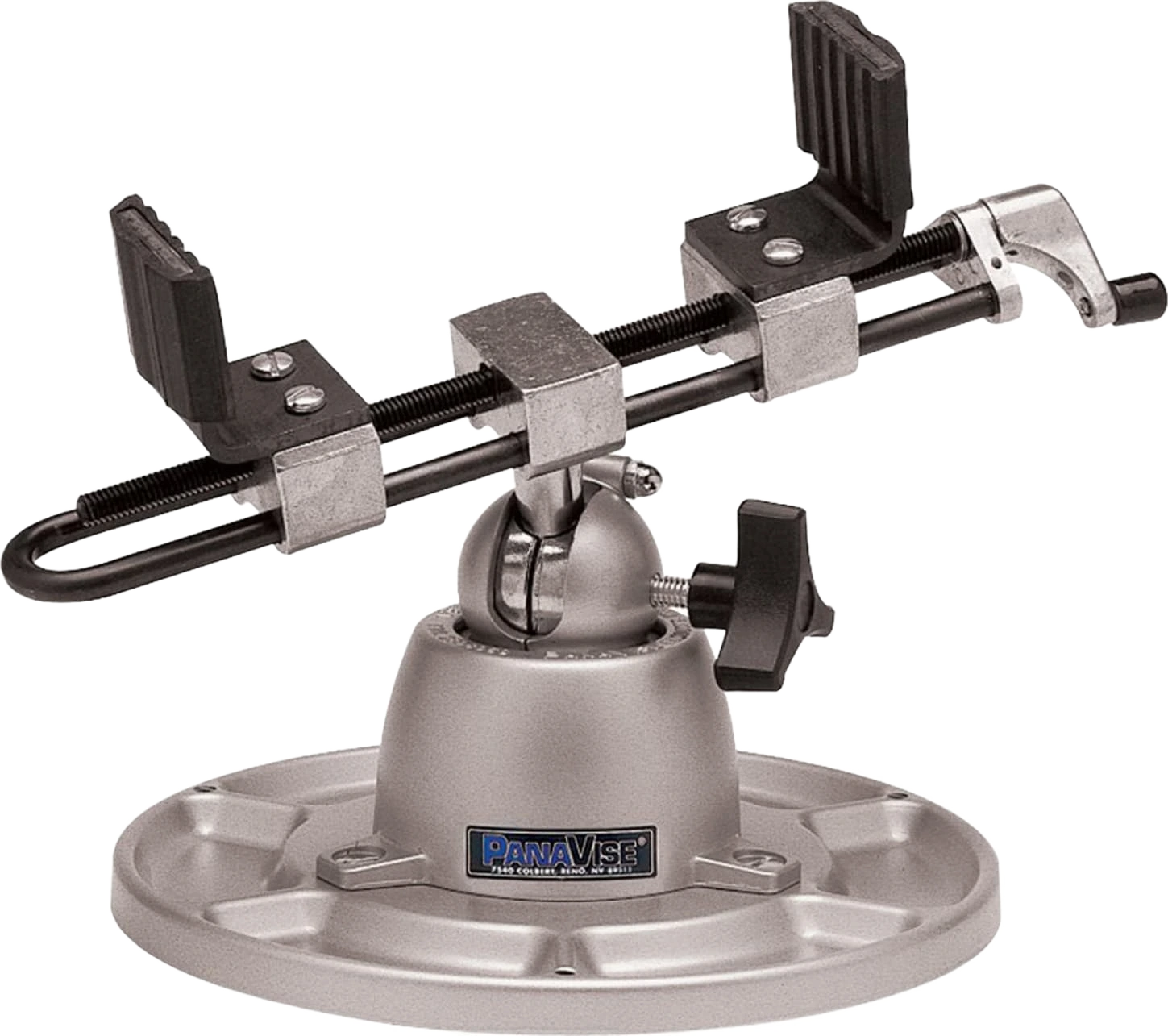
The gold standard. This is what BosnianBill and LockPickingLawyer use, and for good reason. Heavy weighted base with six built-in trays for pins, tools, and parts. Auto-centers the clamp so weight stays balanced even with a heavy padlock. Fully modular — you can swap heads, swap bases, or bolt the whole thing to your desk permanently. The head tilts, turns, and rotates with a single control knob. Neoprene jaw pads protect your locks from scratching. Made in USA. The only real downside is the price — and even that becomes reasonable when you realize you'll use it for a decade and never think about buying another vise. If you're serious about locksport and want to stop thinking about your setup forever, start and end here.
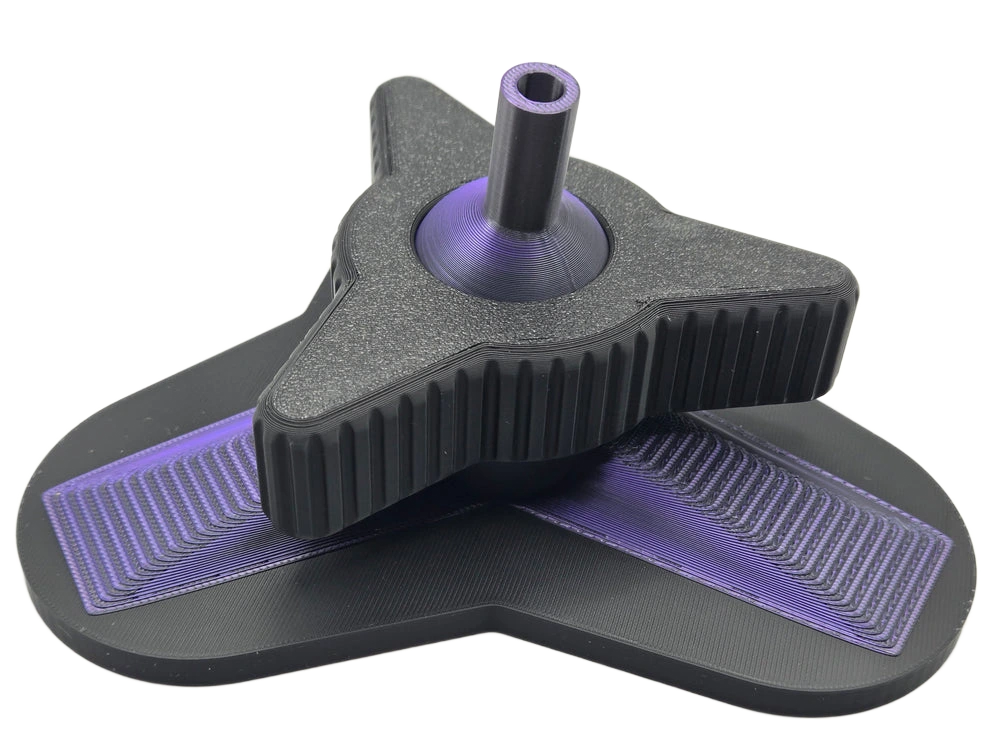
Built by locksport people, for locksport people. A 3D-printed ball-joint base designed by the community's own LockChuck, paired with a SmallRig camera clamp. Purpose-built to hold locks — not repurposed from electronics or woodworking. The "Crab" clamp is what most people prefer — larger jaws, nicer grip — but the "Super" is smaller and cheaper if budget is tight. Comes in a huge range of colors including silky two-tone and glow-in-the-dark options. Generic base is $20, Exotic (two-tone) is $24, plus the SmallRig clamp. Buy the bundle from 44 Delta and you get 5% off plus free assembly hardware. The design is also open-source on Thingiverse — if you have a 3D printer you can print the base yourself and just buy the clamp.
Open source: LockChuck published the full Chuck Vise design on Thingiverse. Print the base yourself + buy a SmallRig clamp (~$15) = total cost under $20. Supports the community either way.
These won't steer you wrong. Each one has a use case where it makes sense — whether it's budget, availability, portability, or just what you can get your hands on. None of them are bad. They're just not our top two.
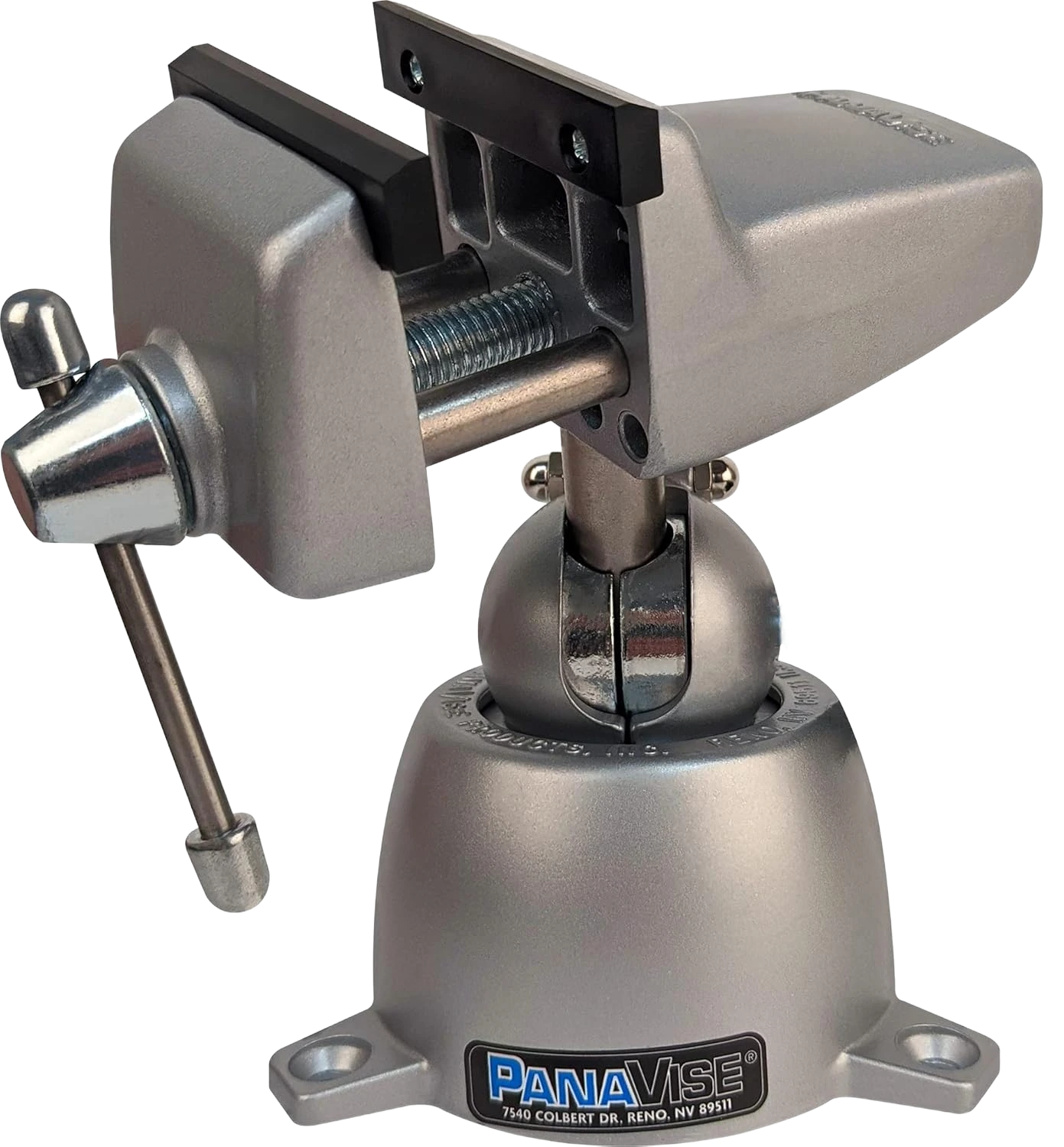
The 350's little brother. Same modular system, same split-ball joint, same build quality — just without the big tray base. Head tilts 90°, turns and rotates 360°. Nylon jaws. You can always upgrade the base later and keep the head. Common advice in the community: if you can afford the 350, skip the 301. If you can't, the 301 is still a PanaVise and will last you years.
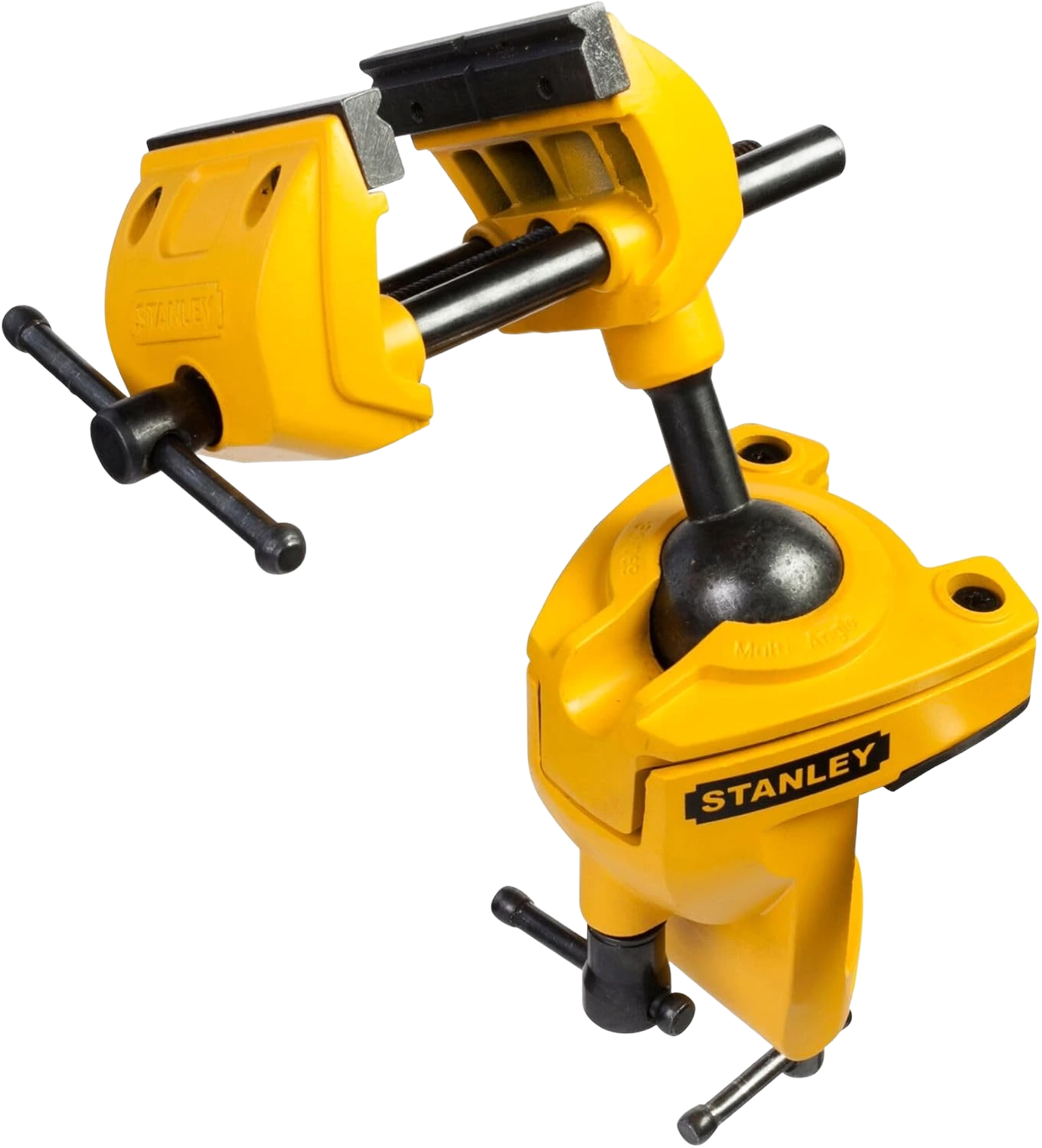
Model 1-83-069 (international) / 83-069M (US) — same vise, different SKU. Cast aluminum and steel with a 360° ball joint that locks in any position. Screw clamp attaches to your desk — more reliable than vacuum suction. Removable rubber jaw pads. 3" jaw capacity. Not locksport-specific but solidly built for the price, and the screw clamp means it's not going anywhere mid-pick.
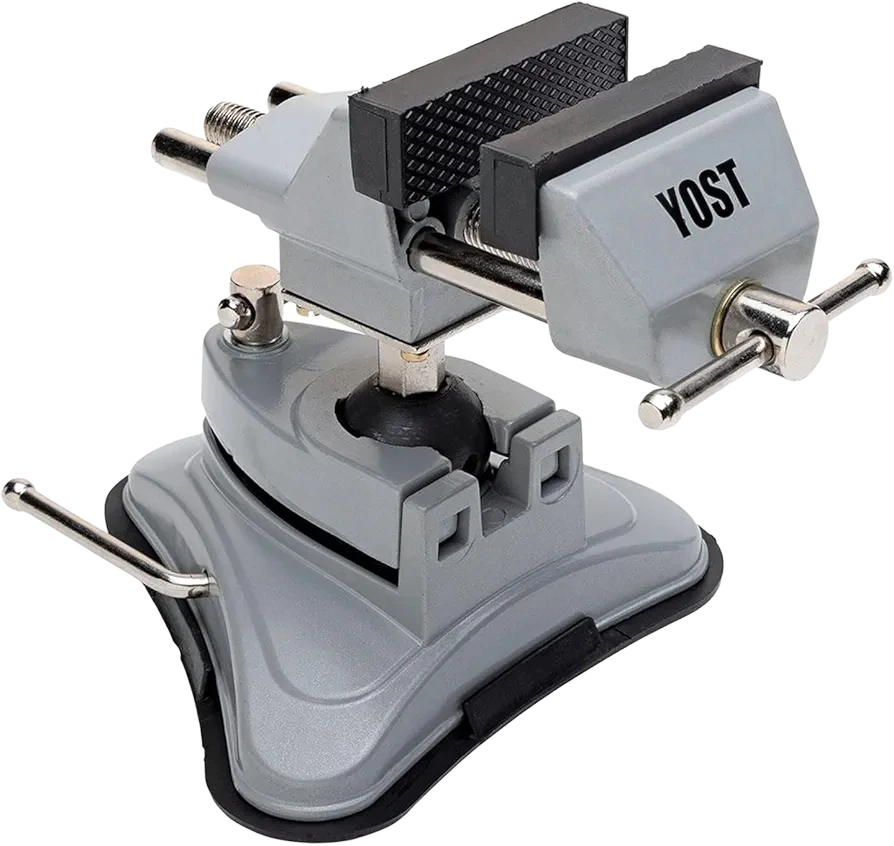
Budget-friendly with a vacuum suction base. Flip the lever and it sticks to any smooth, flat surface. Head swivels 360° and tilts 90°. Soft jaw pads included. The catch: vacuum bases only work reliably on smooth surfaces like glass, laminate, or steel. On a wood desk it will eventually let go mid-pick. Also, tilting the head backward fully requires a specific cutout position. For the price though, hard to complain.
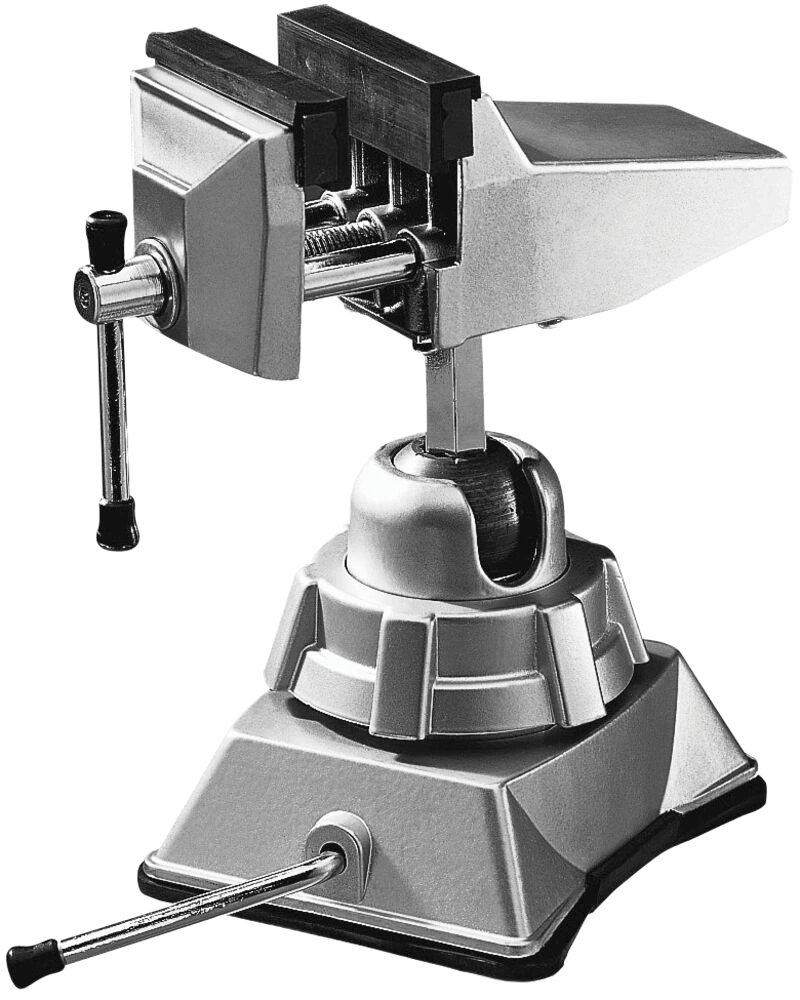
Very similar to the Yost — vacuum base, 360° pivot, 90° tilt. Slightly smaller base means less stability unmounted. Adjusting the tilt requires unscrewing a plastic nut with both hands instead of a lever. One advantage: the head tilts fully backward a bit easier than the Yost. If you find it cheaper, go for it. Otherwise the Yost edges it out on ergonomics.
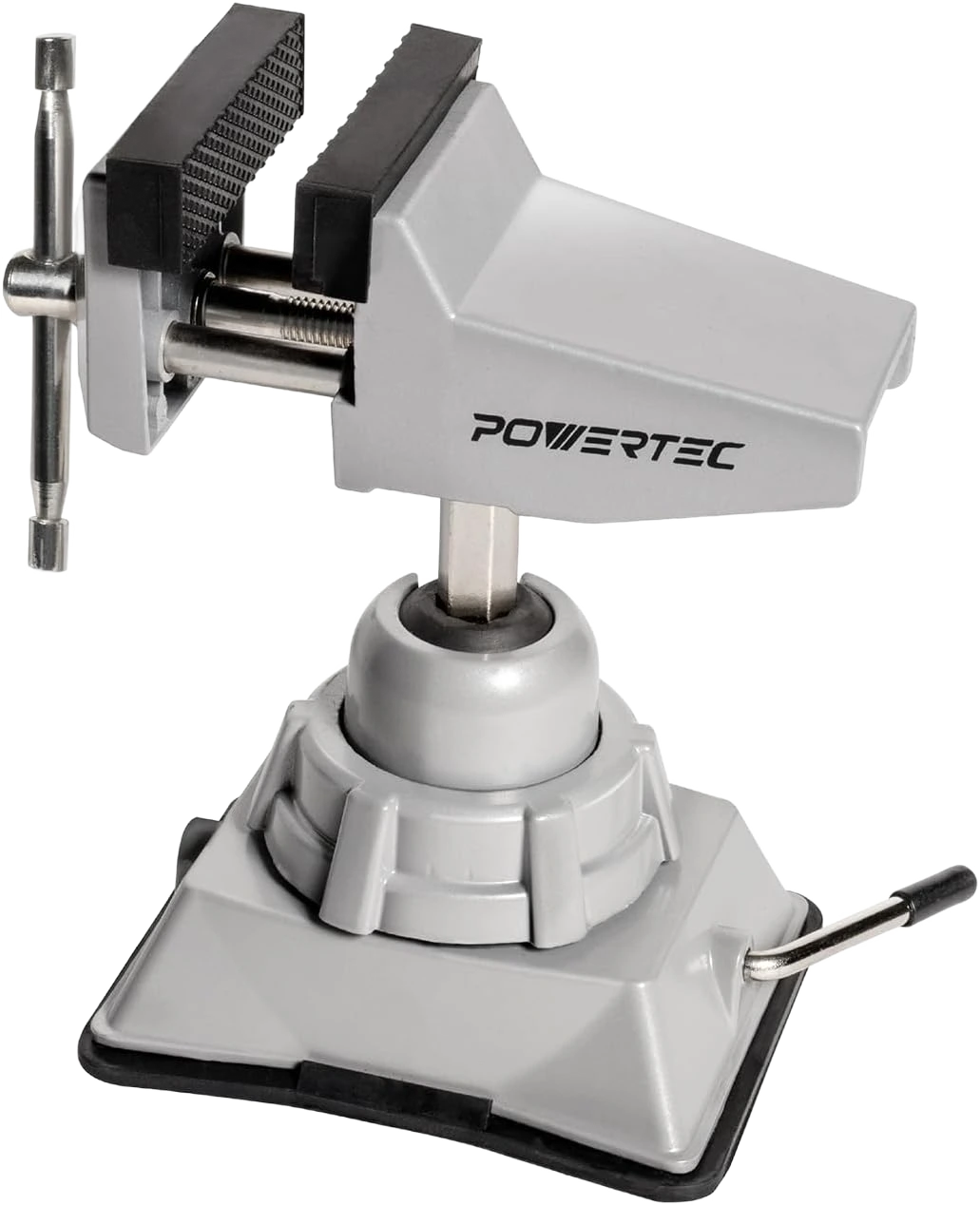
Another vacuum base option in the same class as the Yost and Bessey. Die-cast steel parts, universal ball joint, rubber jaw covers, V-groove jaws. Usually the cheapest of the vacuum vises. Reviews are mixed — some love it, others report the suction releasing under pressure and the factory screws being soft. A fine starter vise if it's what's available. Replaceable jaws are a nice touch.
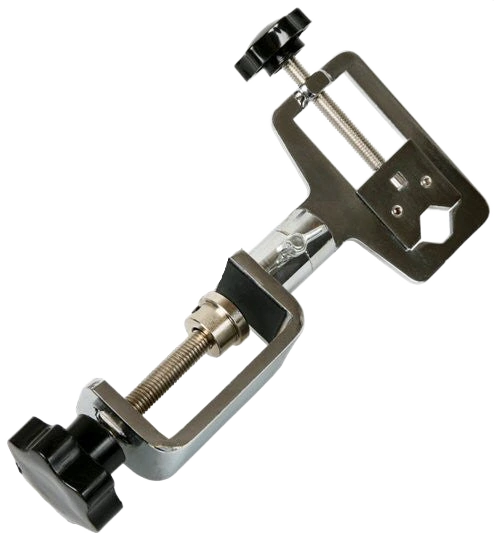
A dedicated locksport vise — not a repurposed hobby tool. Table clamp design with an articulated mid-section for angle changes. Designed to grip lock bodies without the rubber jaw slippage that plagues generic vises. Great for filming picks since the lock stays perfectly steady. Also good for impressioning. Ships from the UK. The only downside is availability — it goes in and out of stock.
3D printed options: Beyond the Chuck Vise, WestCoastPicks has a locksport vise on Thingiverse using basic hardware store parts, and there's a PanaVise 350 lock core adapter on Printables. Euro cylinder holders are on Etsy too. If you have access to a printer, the community has you covered.
What I've been using is something I cobbled together from stuff I already had. A SmallRig Crab Clamp (~$15–$20) mounted on a stand from a Newwer key light — that's the brand name, not a typo. Clamped the two together, and it works great. Holds locks steady, angles wherever I need it, and cost me basically nothing since the stand was already collecting dust.
The thing is, buying a stand or tripod on its own just for this can get surprisingly pricey. The lightweight ones work fine — you're not putting a ton of force on a lock while picking — but even a basic mini tripod or tabletop stand runs $15–$25 on its own. At that point you're basically at Chuck Vise money and getting something purpose-built for locksport. So the DIY route really only makes sense if you already have a stand, tripod, or camera gear lying around. If you do, pair it with a SmallRig clamp and you're set for practically nothing.
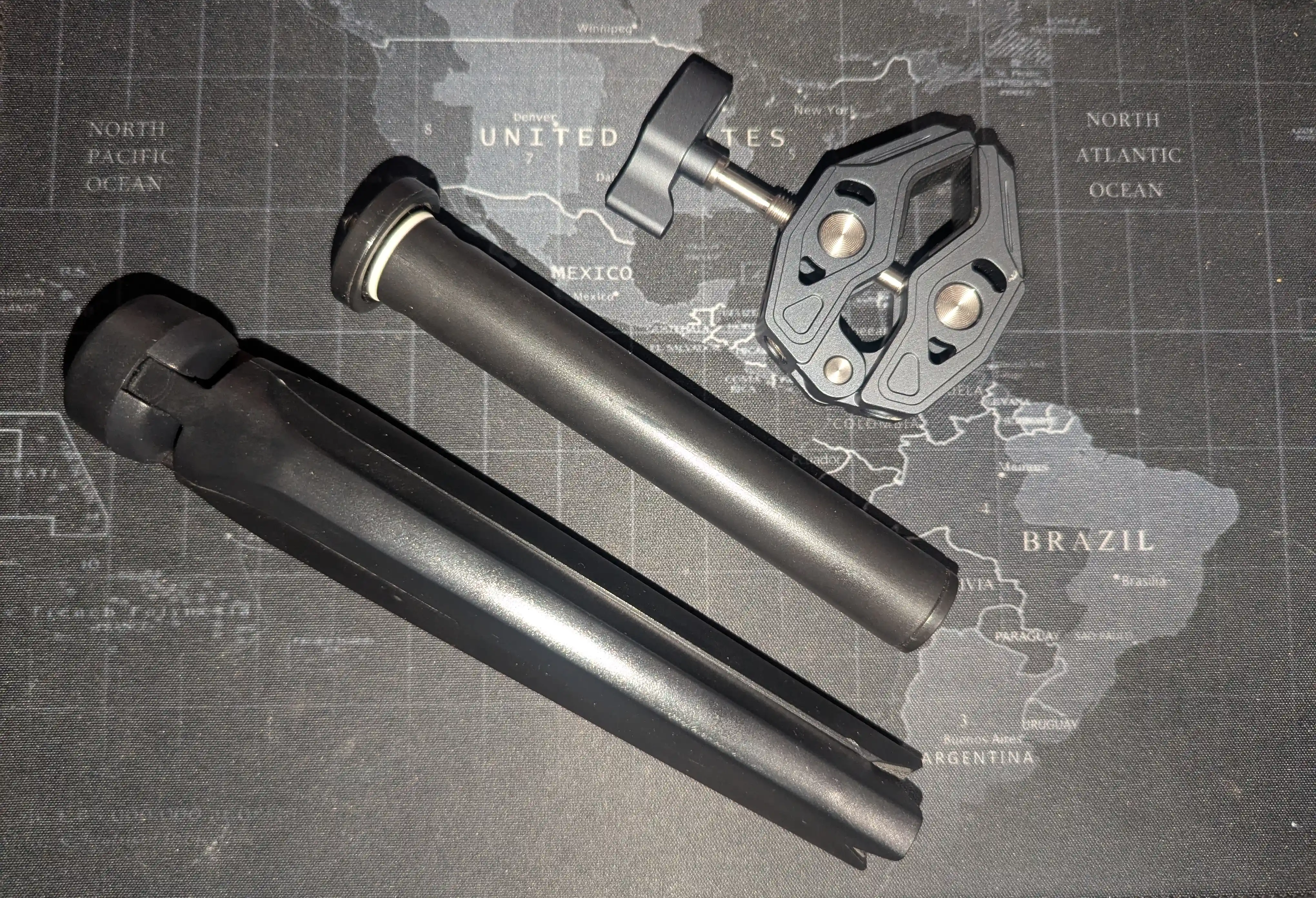
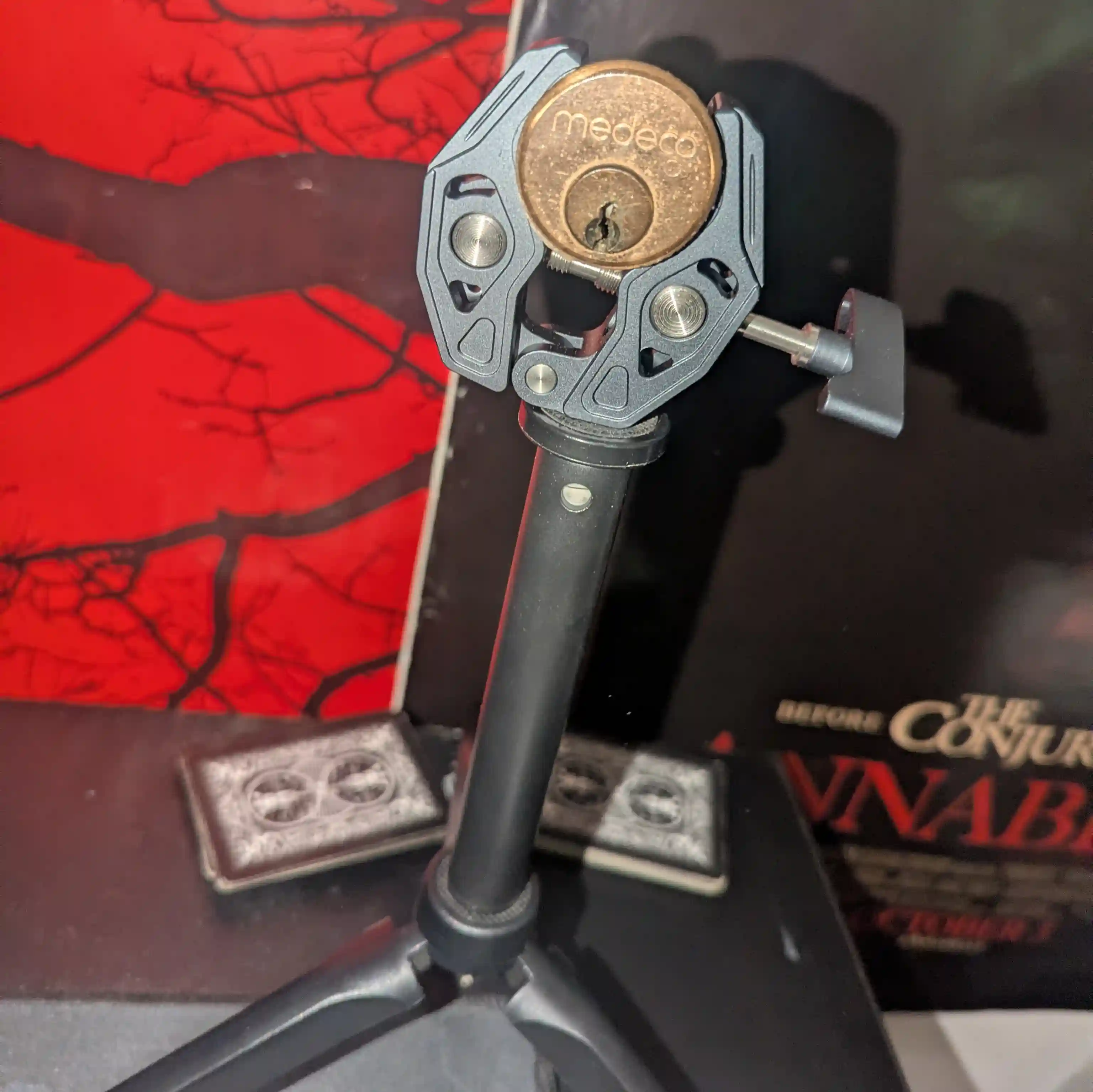
The idea is simple: find something that clamps to a surface and holds things at adjustable angles. A SmallRig clamp on its own grips locks surprisingly well — the rest is just finding a stable way to mount it.
A SmallRig "Crab" or "Super" clamp (~$15) is all you really need to grip a lock. Mount it on whatever you've got — a desk clamp, a tripod, a weighted base, even a piece of wood with a bolt through it. This is essentially what the Chuck Vise is, minus the 3D-printed ball joint.
A trick from the Keypicking forums. Manfrotto makes light fixture and camera clamps that are compact, extremely sturdy, and surprisingly good at holding odd-shaped objects. Lightweight and easy to disassemble for travel. Not cheap new, but you can sometimes find them used.
If you've got a camera tripod, ring light stand, or key light stand collecting dust, you already have a base. Pair it with any clamp that accepts a 1/4"-20 bolt (standard camera threading) and you're in business. The stability depends entirely on the tripod — heavier is better.
If you already have a bench vise, wrap the jaws with leather, rubber, or neoprene to protect your locks. Not ideal for angles — most bench vises don't swivel — but it works in a pinch. Just don't overtighten or you'll bind the cylinder and wonder why nothing is setting.
Multiple free designs on Thingiverse. LockChuck's Chuck Vise and WestCoastPicks' locksport vise are the two most popular. Both use standard hardware store bolts and nuts. Total material cost is a few dollars if you own or have access to a printer.
The honest take: If you're just starting out, pick in your hands for a while first. You'll develop better feel and you won't be tempted to overtension. Once you're consistently SPPing and want to try top-of-keyway tension or film your picks, that's when a vise starts paying for itself. Don't let gear slow you down — spend the money on more locks instead.