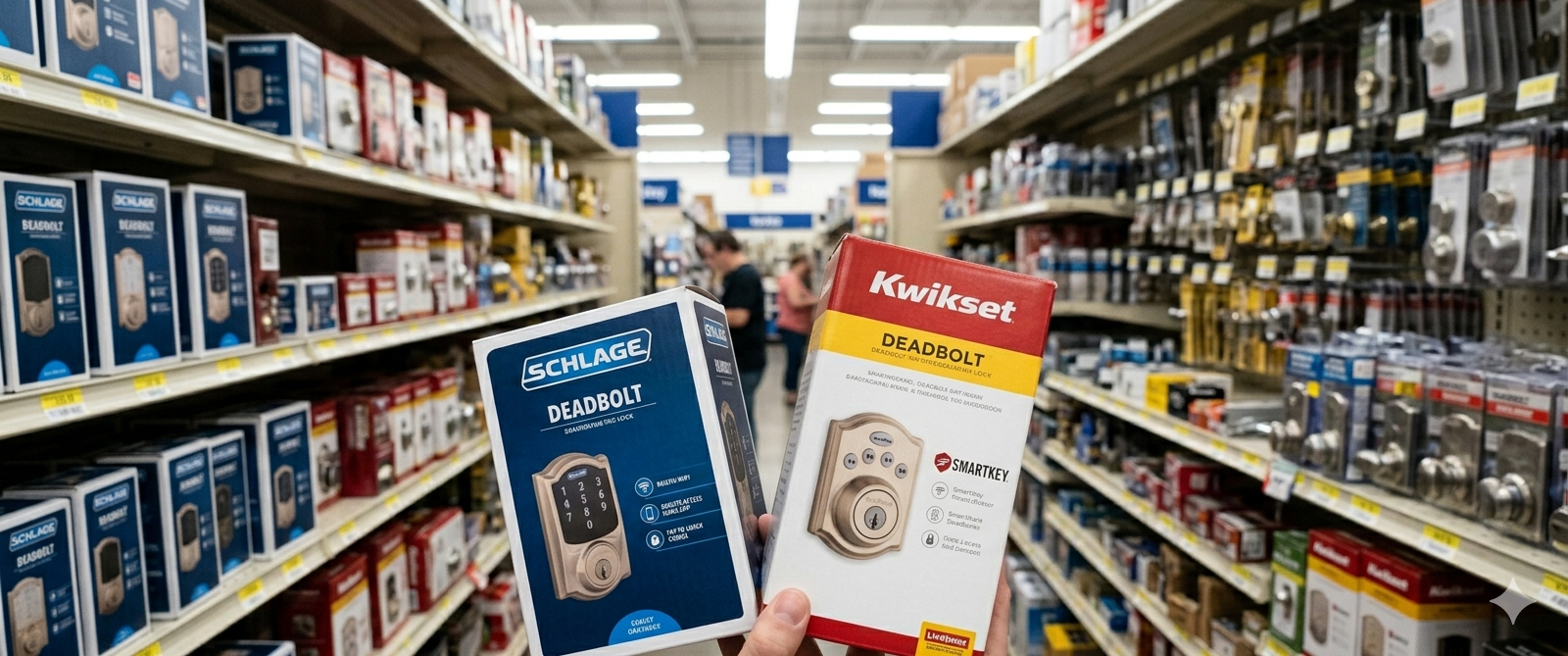
If you walk into any Home Depot or Lowe's in North America, the deadbolt aisle is dominated by two brands: Schlage and Kwikset. Between them, they're on more front doors than every other lock brand combined. Most homeowners grab whichever one matches their existing hardware or fits their budget, without thinking much about it. That's a mistake.
The difference between these two brands — particularly between Schlage's traditional deadbolts and Kwikset's SmartKey line — is significant enough to matter. And as someone who's spent time on both sides of these locks with picks in hand, I have strong opinions about which one belongs on your door. This is the full breakdown: the SmartKey bypass that nobody at Kwikset wants to talk about, the hands-on picking experience, and the stuff that actually decides whether your front door is a real barrier or just a decoration.
⚡ The Verdict — Read This First
For pure security, Schlage wins. The Schlage B60N is ANSI Grade 1, has spool security pins, and doesn't have a known bypass vulnerability. If you want the strongest deadbolt for the least money, stop reading and buy the Schlage.
For convenience, Kwikset SmartKey has a real argument. Rekeying your own lock in 15 seconds without a locksmith is genuinely useful — for landlords, new homeowners, and anyone who's ever lost a key. But that convenience comes with a security tradeoff you need to understand.
The Matchup
We're comparing the most popular deadbolt from each brand, because these are what 90% of buyers are choosing between. Two traditional deadbolts for the main fight, plus the flagship smart lock from each brand for the smart lock section later.
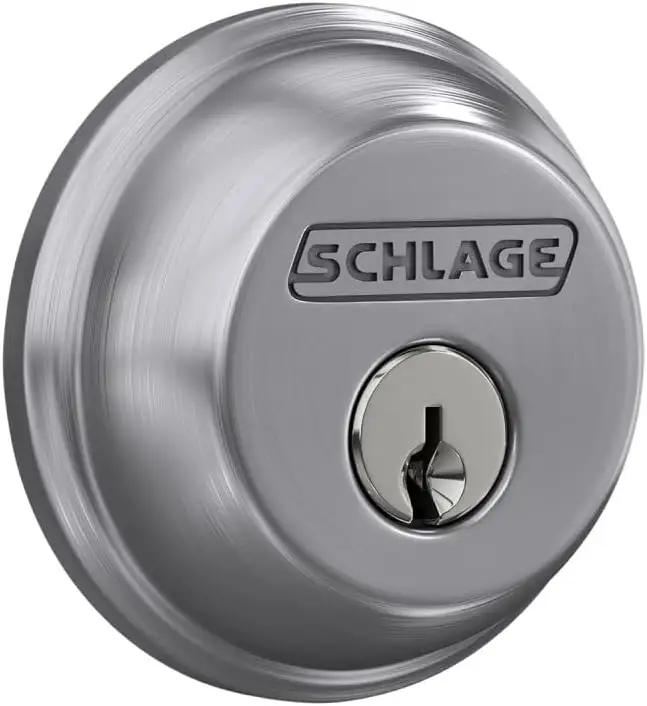
Schlage B60N Single Cylinder Deadbolt
ANSI Grade 1. Standard pin tumbler with spool security pins. Schlage C keyway. The workhorse — our long-term recommendation for most front doors.
Check on Amazon →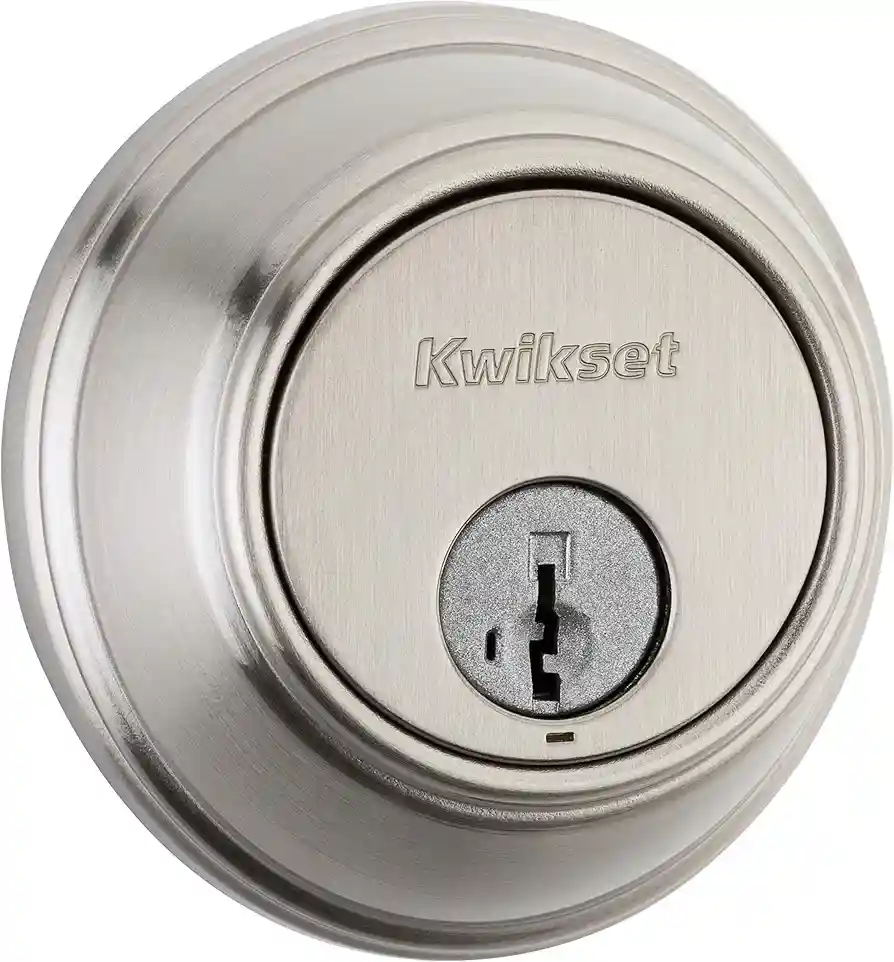
Kwikset 980 SmartKey Deadbolt
ANSI Grade 2 (some models Grade 1). SmartKey rekey technology. Kwikset keyway. Rekeys in 15 seconds — but has a well-documented bypass vulnerability.
Check on Amazon →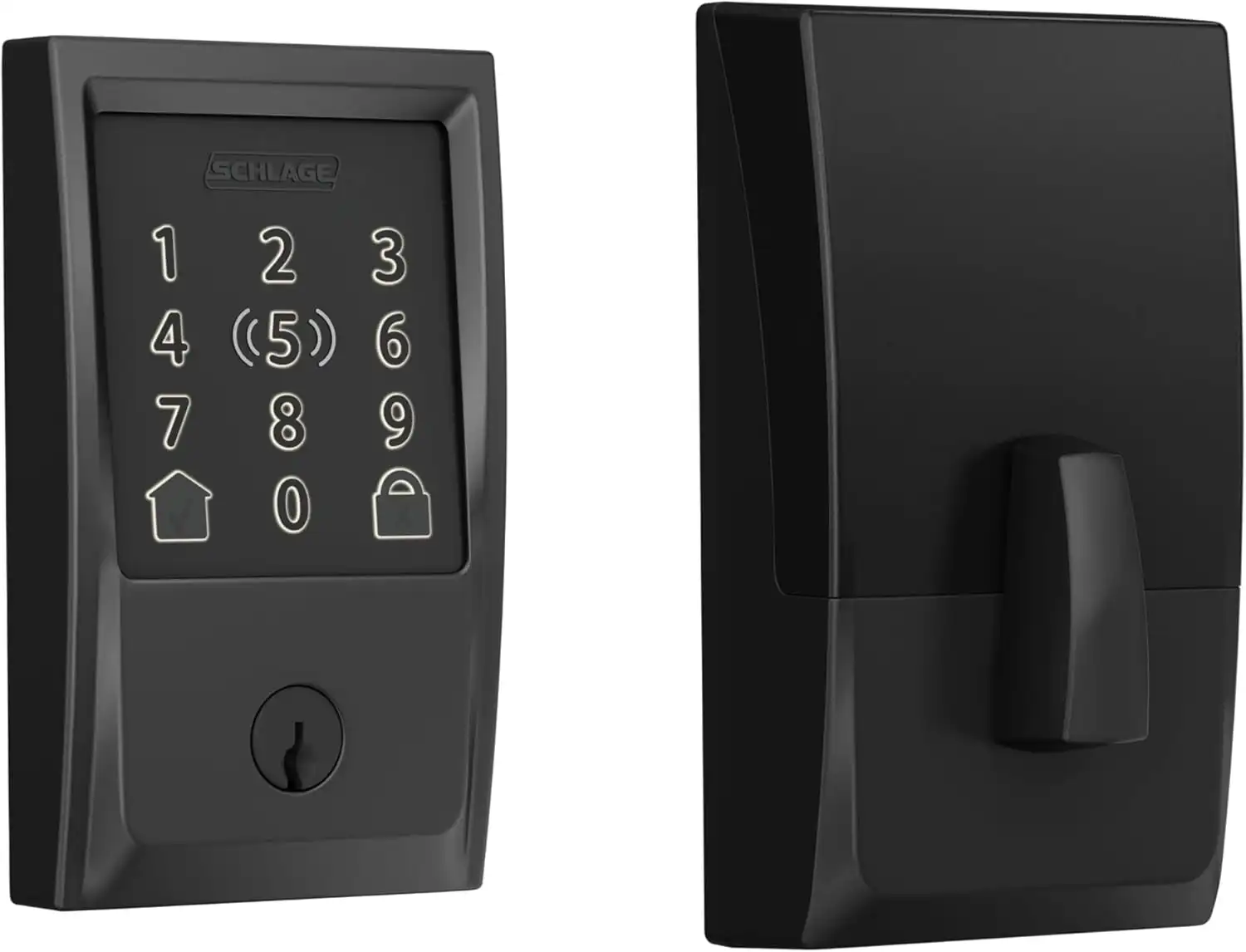
Schlage Encode Smart WiFi Deadbolt
Premium smart lock with built-in WiFi and strong reliability across ecosystems. The most consistent smart deadbolt we've tested at this tier.
Check on Amazon →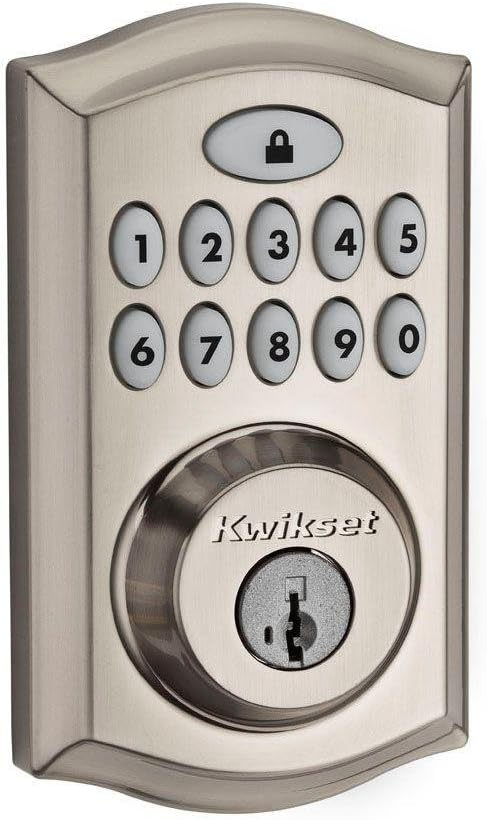
Kwikset SmartCode 913 Electronic Deadbolt
Affordable keypad lock focused on simplicity rather than advanced features. No WiFi, no app — just a keypad and a motor. Works, but limited.
Check on Amazon →The SmartKey Elephant in the Room
We need to talk about this first because it's the biggest single factor in this comparison.
Kwikset's SmartKey technology lets you rekey the lock yourself in about 15 seconds. Insert the current key, turn it, insert the SmartKey tool (a small metal peg that comes with the lock), remove the old key, insert the new key, turn, done. The lock is now keyed to the new key. No locksmith. No taking the lock apart. It's a genuinely clever piece of engineering, and for landlords or anyone who changes keys frequently, it's a huge quality-of-life feature.
But SmartKey has a well-known vulnerability.
The SmartKey bypass: SmartKey locks use a sidebar mechanism instead of traditional pin tumblers. This sidebar can be defeated with a purpose-made bypass tool that's widely available online for under $10–$15. The tool inserts into the keyway, forces the sidebar, and turns the lock. In experienced hands, it takes seconds.
This isn't theoretical — it's demonstrated extensively in the locksport community and has been documented since SmartKey's introduction. Kwikset has made improvements to newer SmartKey generations to resist this attack, but the fundamental vulnerability remains a concern. The ease and speed of this bypass is what separates it from standard lock picking: picking a Schlage might take minutes of skill, while the SmartKey bypass takes seconds with a simple tool.
Now, some important context. The SmartKey bypass tool requires you to know the vulnerability exists and to have the tool on hand. A random burglar kicking doors is not carrying one. The realistic threat model for most residential break-ins is forced entry, not picking or bypassing. So the SmartKey vulnerability matters more if you're concerned about targeted, non-destructive entry and less if you're concerned about a random smash-and-grab.
But the fact remains: the vulnerability exists, it's cheap to exploit, and the Schlage B60N doesn't have an equivalent weakness.
Security Breakdown: Round by Round
Everything that actually matters, side by side. Green cells mark the category winner.
| Category | Schlage B60N | Kwikset 980 SmartKey |
|---|---|---|
| ANSI Grade | Grade 1 (highest residential) | Grade 2 (some SKUs Grade 1) |
| Pick Resistance | Standard pin tumbler with spool security pins. Moderate difficulty — requires real skill. | Sidebar mechanism. Resistant to traditional picking but vulnerable to the SmartKey bypass tool. |
| Bump Resistance | Spool pins provide good bump resistance. | Bump-resistant by design (no traditional pin stacks), but sidebar bypass is easier than bumping anyway. |
| Kick Resistance | Grade 1: 150-lb force test, 10 strikes. | Grade 2: 75-lb force test, 5 strikes. (Grade 1 models match Schlage.) |
| Rekeying | Traditional — rekey kit (~$12) or locksmith. | SmartKey — ~15 seconds, no tools beyond the peg that ships with it. |
| Build Quality | Heavier, more metal, tighter tolerances, consistent model-to-model. | Lighter internals, more model-to-model variation. |
| Key Control | Standard — keys copyable at any hardware store. | Standard — keys copyable at any hardware store. |
| Price | ~$30–$45 | ~$25–$40 |
Picking the Schlage B60N
The Schlage C keyway is moderately tight but workable with standard picks. The spool security pins are the real defense — they create a false set that makes single-pin picking significantly harder for beginners and adds time for experienced pickers. You'll feel the counter-rotation when you hit a spool, and managing multiple spools requires patience and feedback reading. For a lock in this price range, the pick resistance is very good. Expect 3–10 minutes for an experienced picker depending on the specific bitting.
Picking the Kwikset 980 SmartKey
SmartKey is actually harder to pick traditionally than the Schlage. The sidebar mechanism means standard single-pin picking doesn't work the same way. You can't just lift pins to the shear line — you need to align the sidebar wafers, which is a different (and arguably harder) challenge.
But here's the problem: you don't need to pick it traditionally. The SmartKey bypass tool is specifically designed to force the sidebar. It's not a general pick — it's a purpose-made tool for this exact lock. Insert it, apply rotational tension, and the sidebar gives way. The whole process takes less time than it took you to read this paragraph.
Context that matters: Is a burglar going to use a SmartKey bypass tool? Probably not. Most residential burglars use brute force — kicking, prying, or breaking glass. Lock picking and bypassing represent a tiny fraction of actual break-ins. So the SmartKey vulnerability is more of a theoretical concern than a practical one for most homeowners.
But if you're choosing between two similarly priced locks and one has a known vulnerability while the other doesn't, the choice is obvious. Why accept the risk when you don't have to?
Beyond the Lock: What Actually Matters
Whether you choose Schlage or Kwikset, the truth is that neither lock is the weakest point of your door. Here's what actually matters more.
Your strike plate. The strike plate is the metal plate in the door frame where the bolt enters. The cheap stamped strike plates that come with most locks are attached with 3/4-inch screws that go into the door frame only — not into the wall studs behind it. One solid kick snaps those screws out of the soft wood frame, and the door opens regardless of how good the lock is. Upgrading to a reinforced strike plate with 3-inch screws that reach the studs is the single most impactful security upgrade you can make. It costs under $15 and takes 10 minutes.
Your door itself. A hollow-core door will split before any lock fails. If your exterior door is hollow-core (common in apartments and some older homes), no deadbolt in the world will save you. Solid-core wood or steel exterior doors are the minimum standard for security.
Your door frame. The frame can split even with a reinforced strike plate if the wood is old, water-damaged, or rotted. Inspect your frame annually, especially in climates with freeze-thaw cycles that can weaken wood over time.
We cover all of this in detail in our Home Security Guide. The lock is one piece of a system. A great lock on a bad door is theater.
Smart Locks: Where the Gap Widens
Neither brand's traditional deadbolt is a bad buy, but when you move into the smart lock aisle, the distance between Schlage and Kwikset grows noticeably. If you're buying a smart lock, this is the section that matters most.
Schlage's smart lock line — the Encode, the Encode Plus, the Sense — is meaningfully better than Kwikset's in the things that actually bite you at 11 PM when you're trying to let a friend in. The advantages come down to:
- More reliable firmware and apps — fewer mystery lockouts and failed connections
- Better ecosystem support — Apple Home, Alexa, Google, and SmartThings all tend to work without drama
- Fewer weird glitches — the motor catches, the keypad responds, the battery level reports accurately
- Higher-end feel — heavier housing, better keypad tactility, more confident mechanisms
Kwikset smart locks work fine for basic use. If all you want is a keypad and you don't care about the ecosystem, a SmartCode 913 is a legitimate $140 solution. But if you're plugging into a smart home, or you want the lock to be something you genuinely trust and forget about, Schlage is the more grown-up choice. For a deeper dive on how smart locks compare to traditional deadbolts for real security, see Deadbolt vs Smart Lock: A Real Security Test.
The Convenience Case for Kwikset
Having spent several sections pointing out Kwikset's weaknesses, it's only fair to acknowledge where SmartKey genuinely shines. For the right buyer, these aren't minor perks — they're transformative.
Landlords and property managers. If you manage rental properties, SmartKey is transformative. Every time a tenant moves out, you rekey the lock in 15 seconds instead of calling a locksmith ($75–$150 per visit) or replacing the lock entirely. Over multiple properties and multiple turnovers per year, SmartKey saves hundreds of dollars.
New homeowners. The first thing you should do when you move into a new home is rekey every exterior lock. You have no idea how many copies of the previous owner's key are floating around. With SmartKey, you do this yourself on move-in day. With Schlage, you're either learning to re-pin a lock or calling a locksmith.
Lost key situations. Someone loses a key and you're worried about who might find it? Rekey in seconds. No cost, no locksmith wait time, no stress.
These are real, practical advantages. The question is whether that convenience is worth the security tradeoff. For landlords and frequent rekeyers, the answer is honestly yes. For everyone else, the Schlage is the better lock for the money.
When to Choose Each
There's no universal winner — there's a winner for your door. Here's how to decide.
Go Schlage if…
- You want the strongest security on a front or back door
- You care about build quality and longevity
- You're buying a smart lock and want it to just work
- You don't want a known bypass vulnerability in your front door
- You're plugging into a serious smart home ecosystem
Go Kwikset if…
- You're a landlord or manage rental properties
- You need to rekey frequently (Airbnb, shared spaces, turnovers)
- You're a new homeowner doing a move-in day rekey
- It's an interior or low-stakes door
- You're on a tight budget and the threat model is casual
Schlage for the Front Door. Kwikset for the Rental.
If you're installing one deadbolt on your own front door and want the most security for your dollar, buy the Schlage B60N. It's ANSI Grade 1, has security pins, no known bypass vulnerability, and costs $30–$45. Pair it with a reinforced strike plate and 3-inch screws, and you have a door that's genuinely hard to get through without power tools.
If you're a landlord, property manager, or someone who needs to rekey frequently, buy the Kwikset 980 SmartKey. The convenience is real and the cost savings add up. Just understand what you're accepting in terms of the bypass vulnerability, and consider pairing it with a security camera or alarm system.
If you want both convenience and top-tier security, consider the Schlage B60N paired with a smart lock retrofit on top. You get Grade 1 physical security plus smart features like auto-lock, guest access, and activity logging. It's a two-purchase solution, but it sidesteps the compromises of either brand's built-in smart lock offerings.
Related Reading
For a closer look at the SmartKey system itself, see our full Kwikset SmartKey 980 review. Wondering how these stack up against smart locks? Read Deadbolt vs Smart Lock: A Real Security Test. And for the complete picture of how your lock fits into a broader security system, check our Home Security Guide and our Deep Cuts piece on how burglars actually choose which homes to target.
Schlage vs Kwikset: FAQ
Is Schlage harder to pick than Kwikset?
It depends how you define "pick." The Kwikset SmartKey is actually harder to pick with traditional pin-picking techniques because it uses a sidebar mechanism instead of pin tumblers. But SmartKey has a well-documented bypass tool — a purpose-made $10–$15 tool that forces the sidebar open in seconds. So Schlage resists a skilled picker longer, while SmartKey resists a beginner longer but folds instantly to anyone with the bypass tool. For real-world security, Schlage is the safer choice.
What is the Kwikset SmartKey bypass and is it a real threat?
The SmartKey bypass is a purpose-made tool — available online for $10–$15 — that exploits the sidebar mechanism all SmartKey locks use. Inserted into the keyway and rotated, it forces the sidebar and opens the lock in seconds. It's extensively documented in the locksport community. Kwikset has improved newer SmartKey generations, but the fundamental vulnerability remains. As a practical threat, most residential burglars don't carry bypass tools — they kick doors. But if someone is specifically targeting you and willing to spend $15, SmartKey is the wrong lock.
Is the Schlage B60N ANSI Grade 1?
Yes. The Schlage B60N is ANSI/BHMA Grade 1, which is the highest residential security classification. Grade 1 requires the lock to withstand a 150-pound force test and 10 strikes during kick-resistance testing. Most Kwikset 980 SmartKey models are Grade 2 (75-pound test, 5 strikes), though Kwikset sells some Grade 1 SmartKey SKUs at higher price points.
Which lock brand do locksmiths recommend?
Among mainstream retail brands, most locksmiths recommend Schlage for residential front doors because of its tighter tolerances, security pins, and ANSI Grade 1 options. For actual high-security applications, locksmiths typically move beyond both brands entirely to lines like Medeco, Mul-T-Lock, or Abloy — but those are locksmith-only purchases and sit in a different price category. Between Schlage and Kwikset specifically, Schlage is the standard recommendation — with the exception of landlords and frequent rekeyers, where SmartKey's convenience often wins.
Can you rekey a Schlage lock yourself?
Yes, but it requires a Schlage rekey kit (~$12) and about 15–30 minutes the first time you do it — you're physically swapping pins inside the cylinder. It's nowhere near as fast as Kwikset's SmartKey, which rekeys in about 15 seconds with no tools. If you'll rekey once or twice in a decade, the difference is irrelevant. If you rekey every tenant turnover, SmartKey's convenience is genuinely hard to beat.