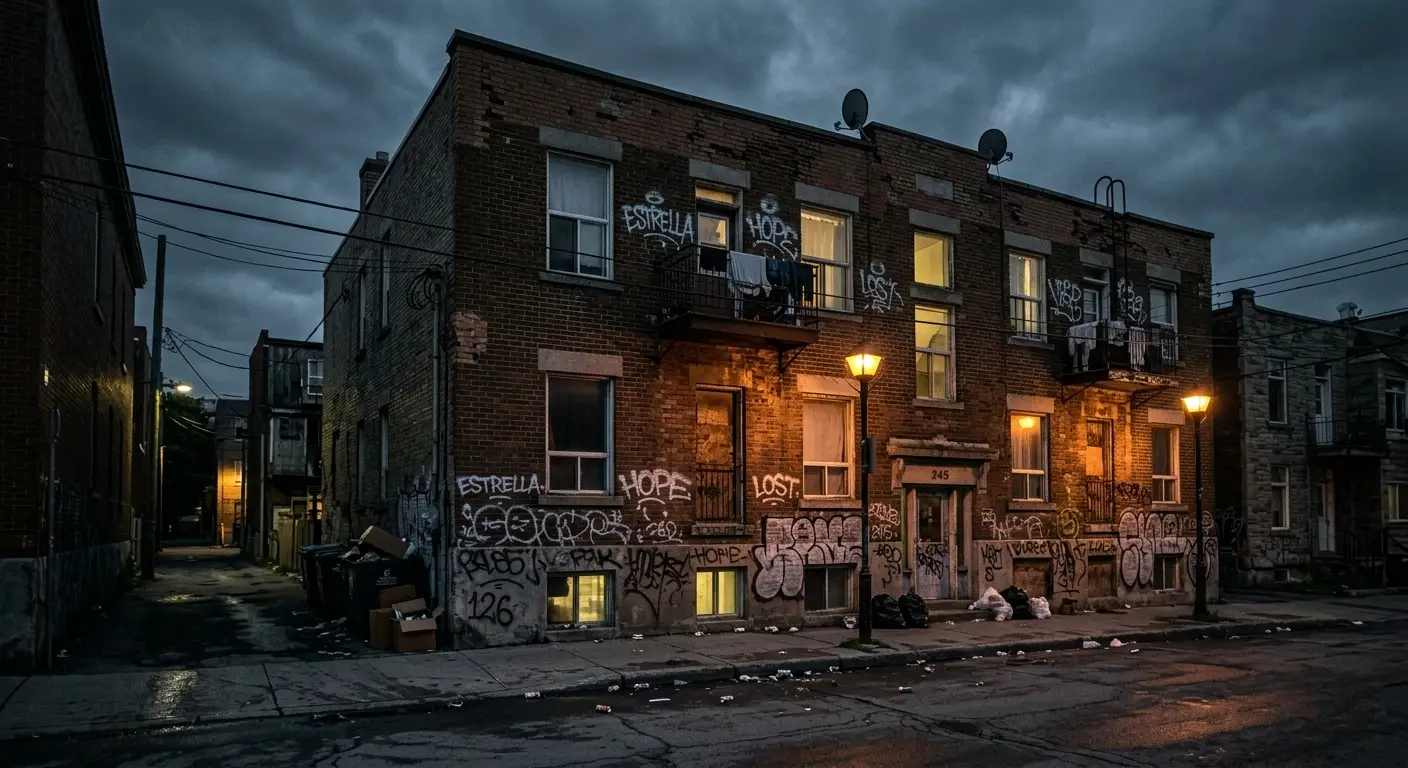
Apartment security is a different game than house security. You can't drill into walls, you can't change the front door, your landlord has a key, previous tenants might still have copies, and most apartments ship with the cheapest locks the builder could find. But here's the good news: you can make your apartment significantly harder to break into for under $50 — and build up to a full security setup for under $500. This guide covers every layer, from free habits to full alarm systems, with specific product recommendations at every budget level.
Why Apartment Security Is Different
Before we get into products, let's talk about what makes apartment security unique — and why most generic "home security" advice doesn't apply to renters.
Your locks are probably terrible. Most apartments ship with ANSI Grade 3 hardware — the lowest security rating. Kwikset KW1 knob locks and basic deadbolts that anyone with a YouTube tutorial and a $15 pick set could open in under a minute. I know because I've done it. The locks on your apartment door exist to meet building code, not to stop a motivated intruder. That doesn't mean you're helpless — it means you need to add layers.
You can't make permanent modifications. No drilling, no hardwiring, no swapping the door. Everything in this guide is either removable, adhesive-backed, portable, or can be undone with a tube of wood filler and five minutes of effort.
Your landlord has a key. And possibly the maintenance crew, the building manager, and the previous tenant's cousin. Most jurisdictions require 24-hour written notice before entry (except emergencies), but a key is a key. More on this in the camera section.
You share entry points. Building lobbies, parking garages, stairwells, and elevators are all shared access points you don't control. Your security starts at your apartment door and windows — everything before that is on the building. For more on how burglars choose targets and exploit shared access, see our Deep Cuts series on burglar psychology.
Door Reinforcement — Your First Priority
Your front door is where over a third of break-ins happen — and in an apartment building, it's often the only entry point. Before you buy cameras, alarms, or anything else, make your door harder to get through. These products require zero to minimal installation and all cost under $30.
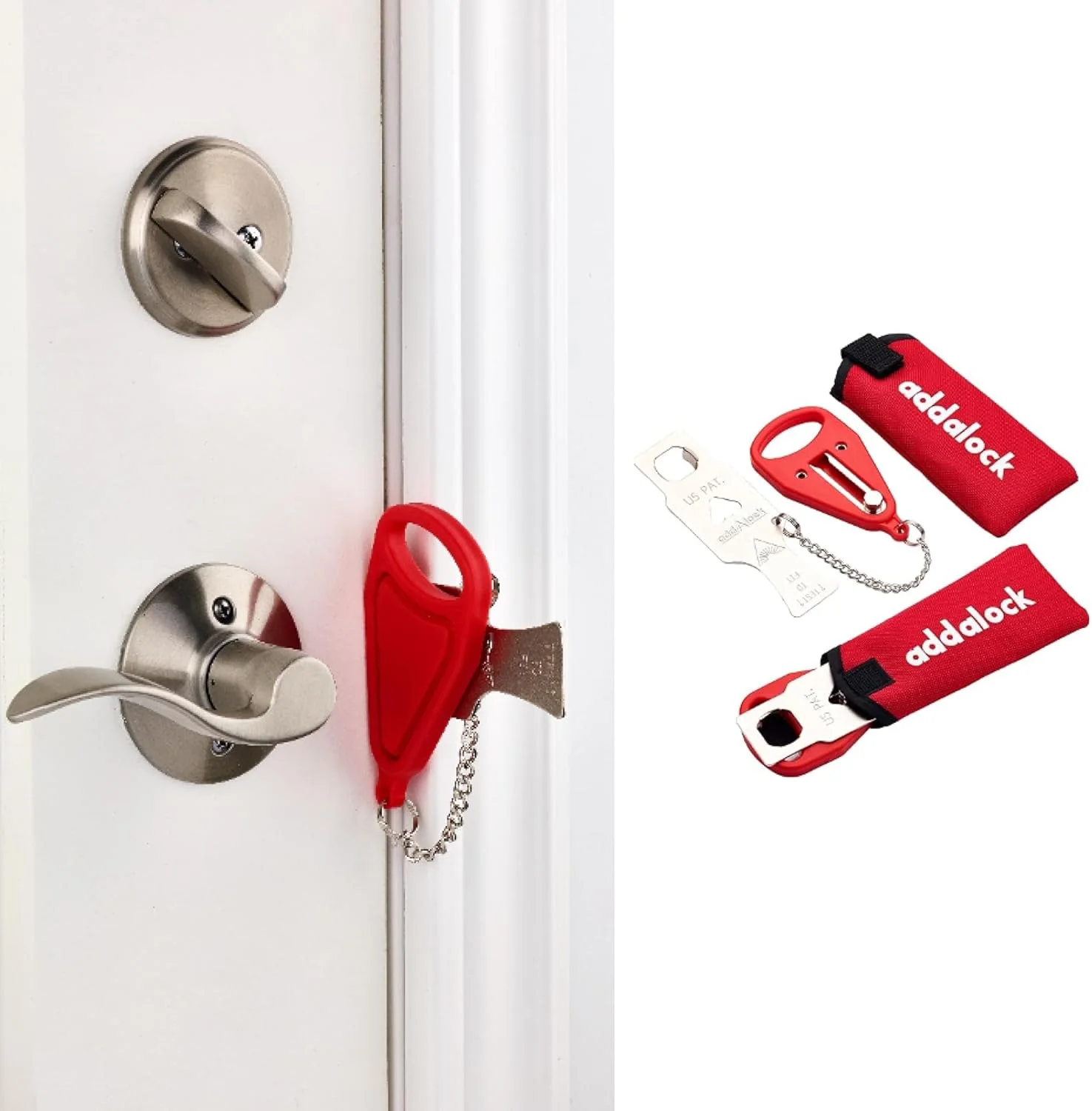
Slips into your existing door latch and blocks the door from opening — even if someone has a key. Zero installation, zero tools, zero damage. Take it with you when you travel. The most popular portable door lock for a reason.
Check Availability on Amazon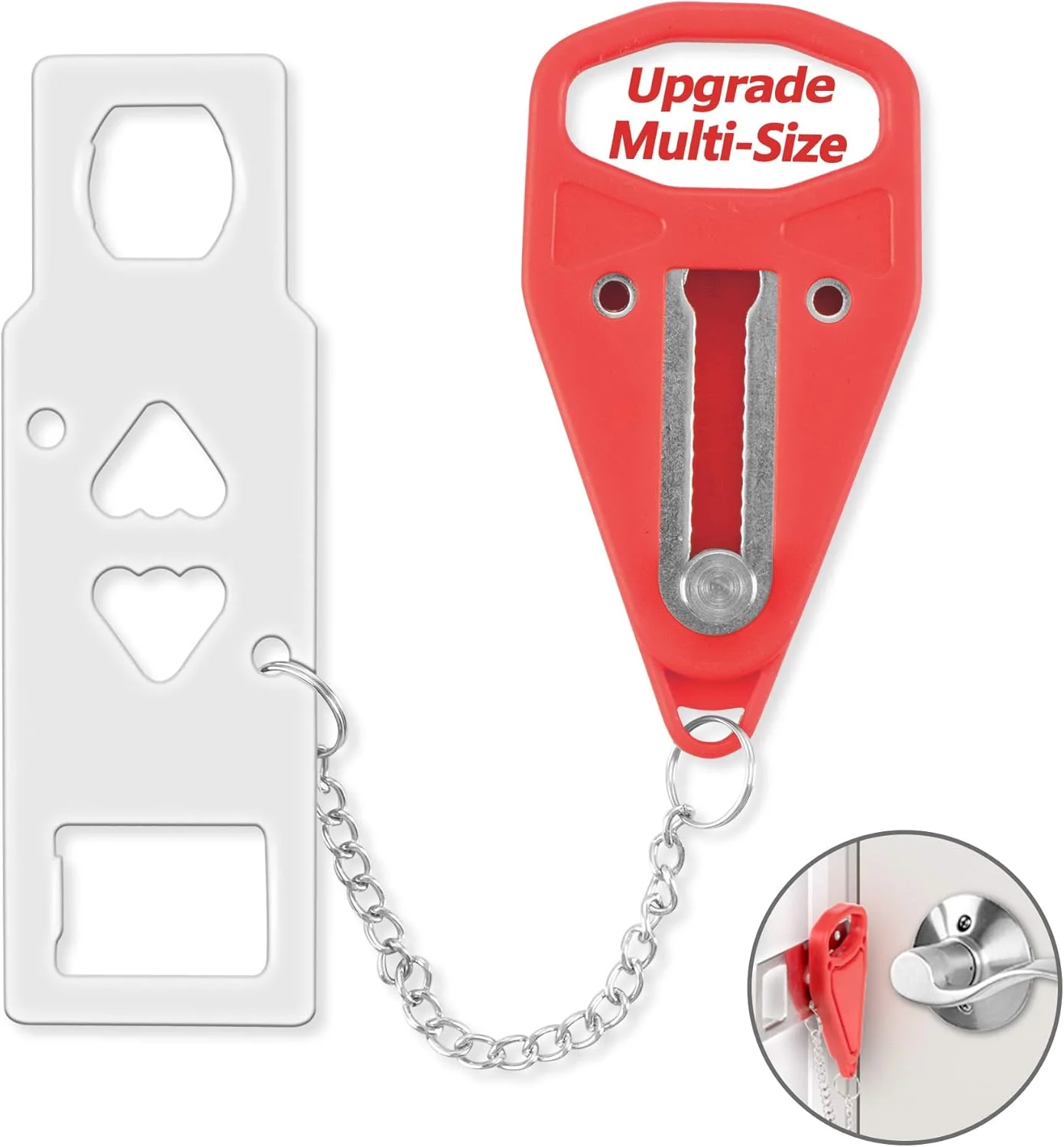
Same concept as the Addalock for $4 less. Comes with two slot sizes for different latch styles — standard US latches and larger rectangular latches. Solid alternative if you want to put one on every door.
Check Availability on Amazon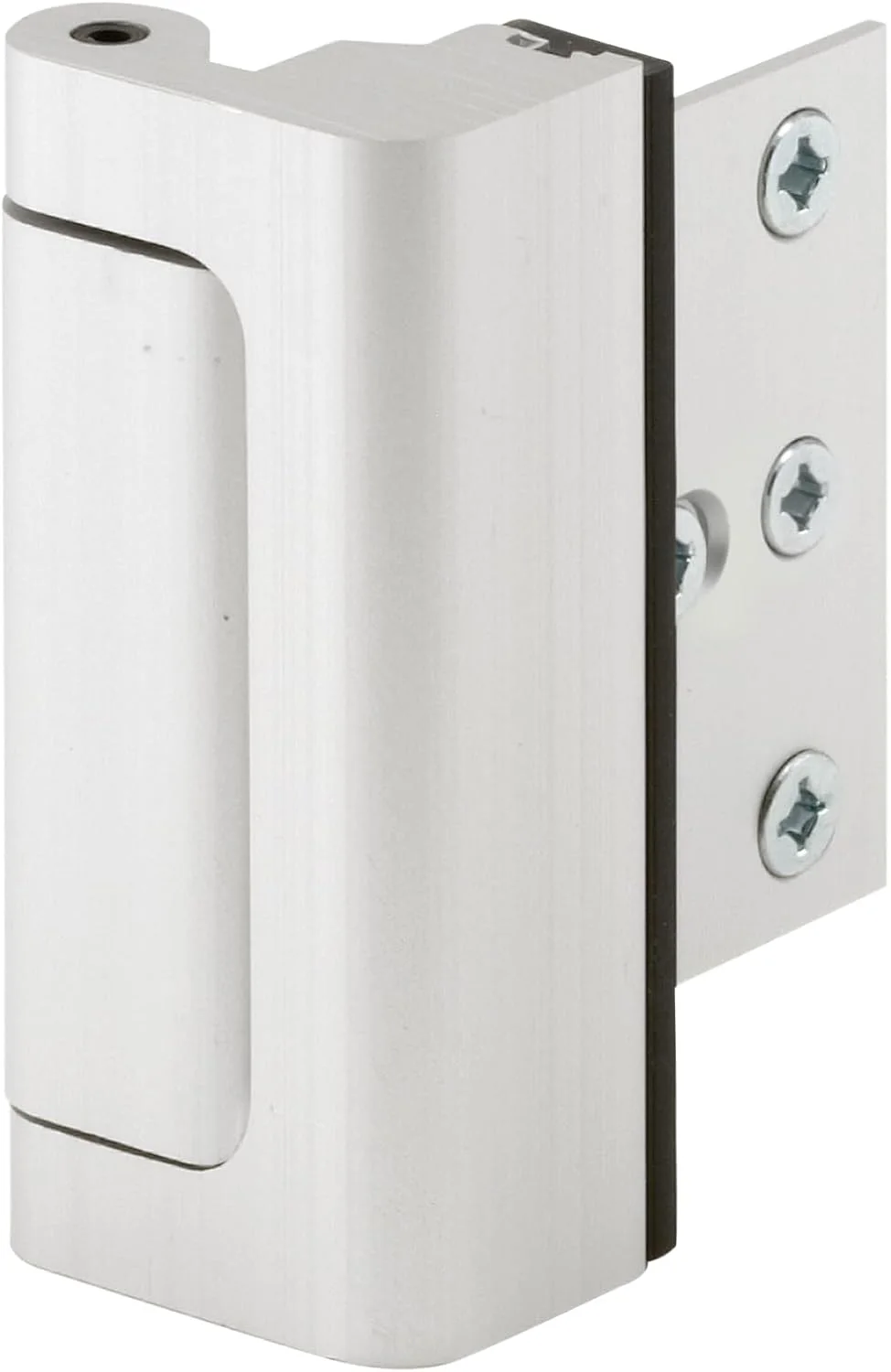
Flip-lock that screws into your door edge with 4 small screws. Rated to withstand 800 pounds of force — that's more than most deadbolts. When locked, the door can't be opened from outside even with a key. Tiny screw holes are easily filled when you move out.
Check Availability on Amazon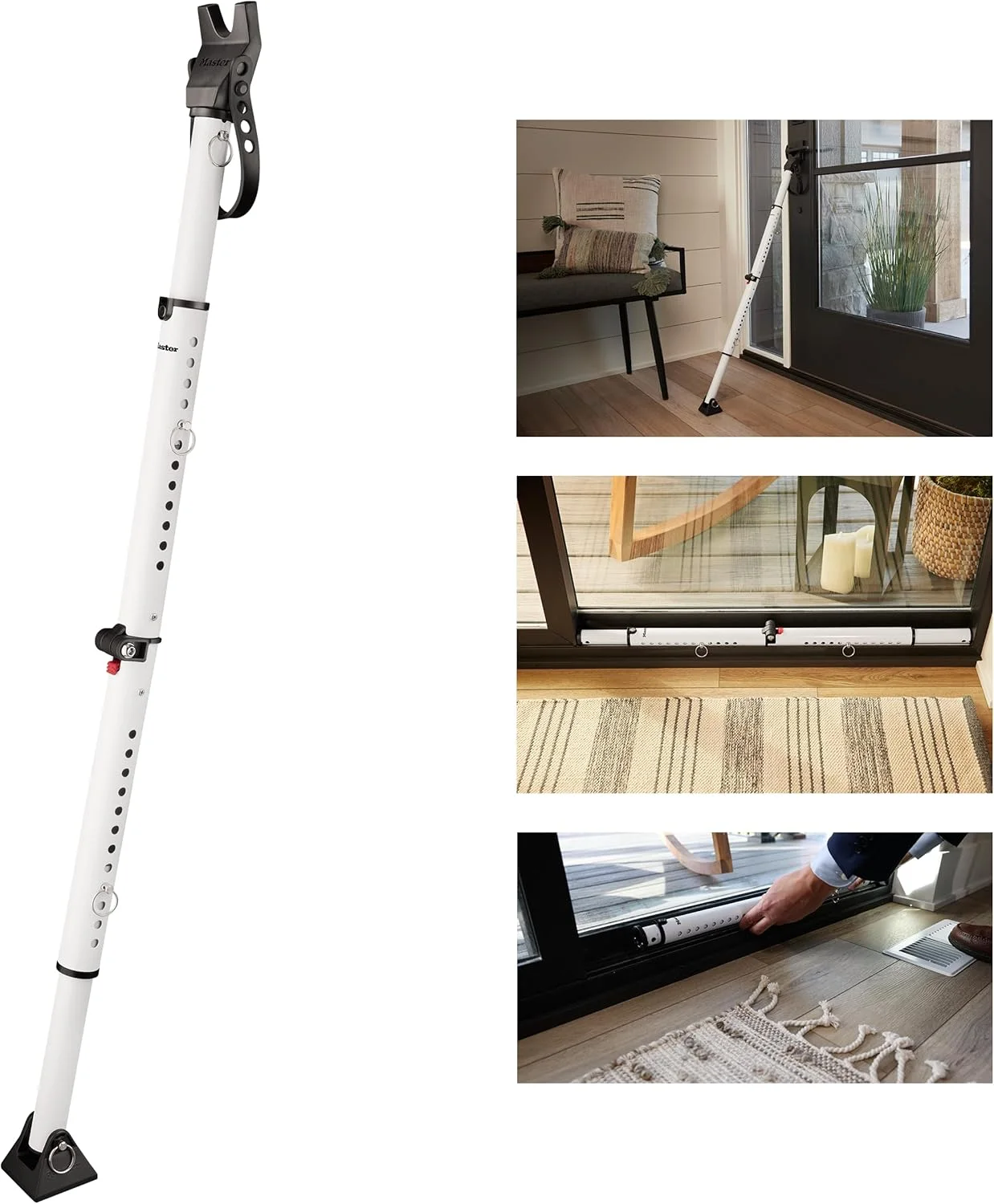
Adjustable steel bar (27.5"–42") braces diagonally from your door handle to the floor. Creates a physical barrier that's extremely difficult to overcome by pushing. Also works on sliding patio doors by laying in the track. Portable and reusable.
Check Availability on Amazon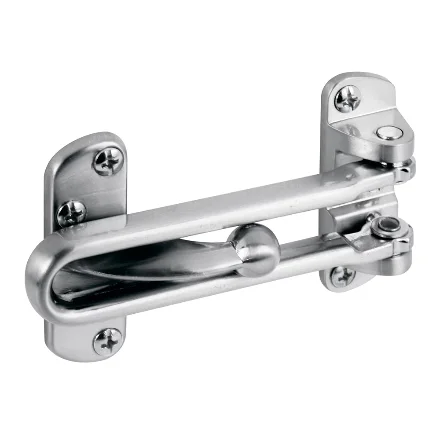
Swing-bar lock rated to 600 lbs. Lets you crack the door a few inches to see who's there without fully opening it — like a chain lock but much stronger. Four small screws to install.
Check Availability on Amazon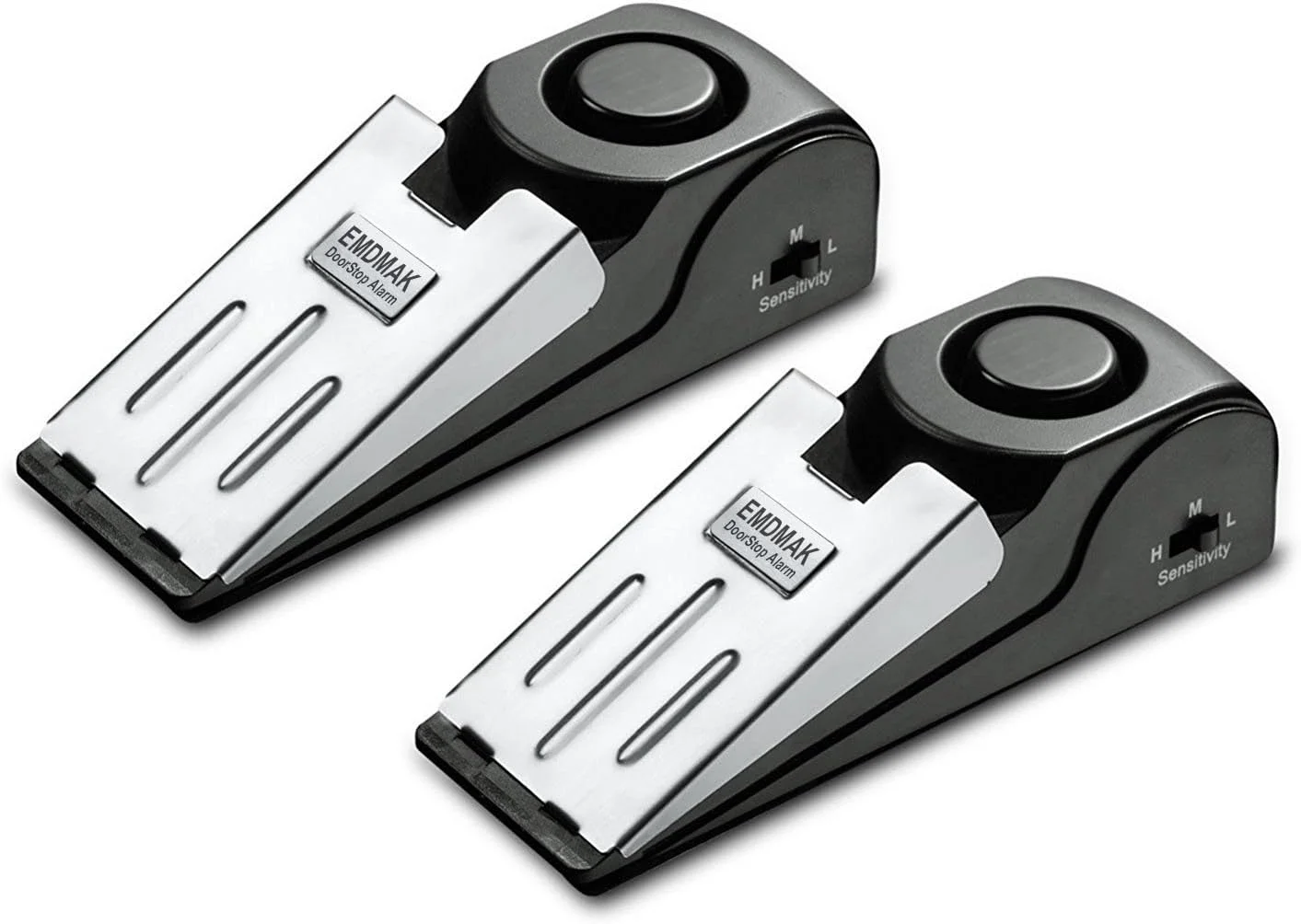
Wedge it under your door. If anyone pushes the door open, a 120-decibel alarm screams. That's louder than a chainsaw. Battery powered, completely portable, zero installation. Double-duty as a physical door stop and an alarm. Take it to hotels too.
Check Availability on AmazonFor under $30, get the Defender Security U 10827 ($12) for permanent reinforcement plus the Addalock ($18) for portable backup. The Defender resists 800 lbs of force — that's more than most kicks can generate. The Addalock blocks the door even if someone has a key. Together, they're the best $30 you'll spend on apartment security.
Smart Locks for Renters
Here's a dirty secret about apartment locks: most of them are ANSI Grade 3 — the minimum security rating. That means a standard Kwikset or basic Schlage deadbolt that was installed by whoever bid lowest on the building contract. From a locksport perspective, these locks offer almost no pick resistance.
You probably can't replace your apartment's lock entirely (check your lease), but you have options:
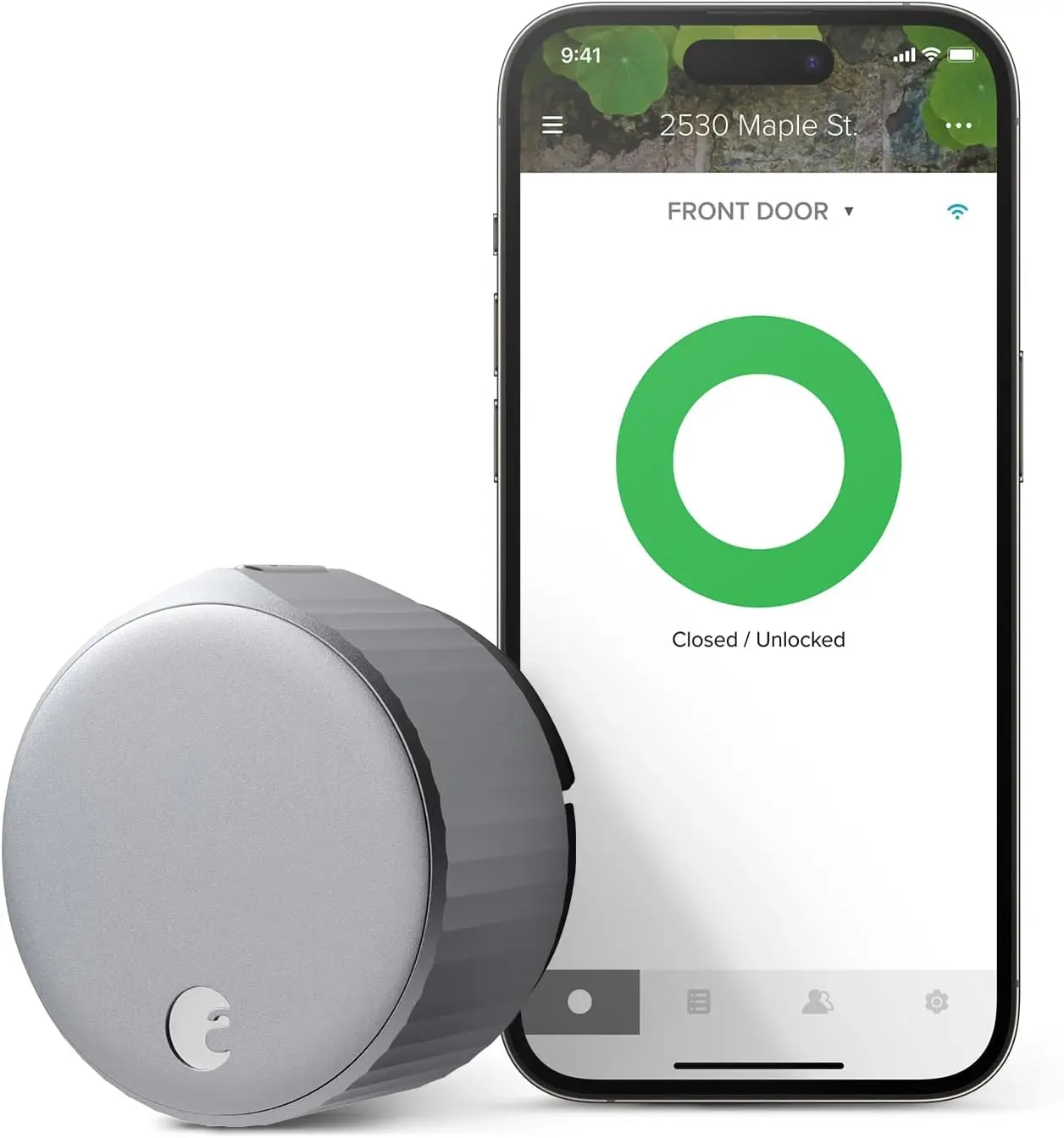
The holy grail of renter-friendly smart locks. Installs OVER your existing deadbolt — your landlord's key still works from outside, but you get app control, auto-lock, guest access, and activity logs from the inside. Remove it when you move out and your landlord never knows it was there.
Check Availability on Amazon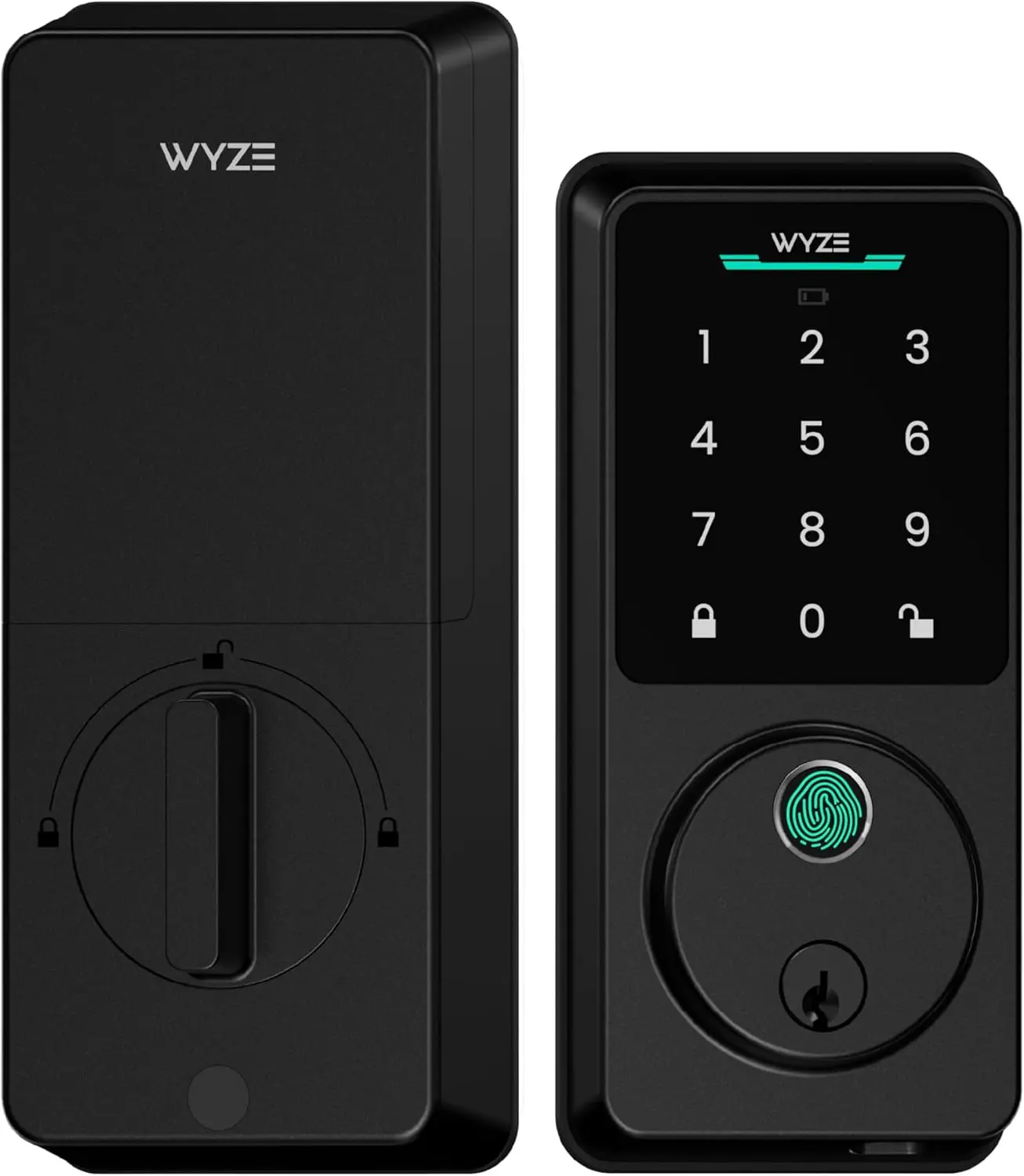
Fingerprint + keypad deadbolt for under $80. You'll need to swap your existing deadbolt (keep the old one to reinstall when you leave). Fingerprint unlock is fast and doesn't need WiFi. The best budget smart lock, period. Full review in our smart locks guide.
Check Availability on Amazon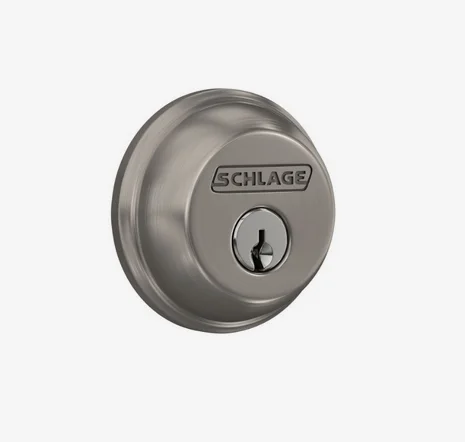
Interior-only deadbolt — no keyhole on the outside. Lock it from inside when you're home and sleeping. Can't be picked or bumped because there's no external cylinder. Installs with a screwdriver. The simplest, cheapest nighttime security upgrade.
Check Availability on AmazonMost apartment deadbolts use standard KW1 or SC1 keyways with zero security pins. A beginner with a basic pick set can open them in 30-60 seconds. The August Smart Lock doesn't change this — the physical keyway remains the same. What it does give you is a log of every time the door was locked or unlocked, auto-lock after a set time, and remote access. The Defender Security flip lock (#1 above) is what actually prevents the door from being opened. Combine both for digital convenience + physical resistance. For more on lock security ratings, see our ANSI lock grades guide.
Indoor Cameras — Your Only Proof
Here's something no other apartment security guide will tell you this bluntly: your landlord has a key to your apartment. So does the building maintenance crew. And depending on how many tenants came before you, there might be copies of your key floating around that nobody accounted for.
Most jurisdictions require landlords to give 24 hours written notice before entering — except for emergencies. But how would you know if someone entered while you were at work? You wouldn't. Unless you have a camera.
An indoor security camera is the only reliable way to know for certain whether someone was in your apartment while you were away. Sure, you could go full spy mode — put a strand of hair across the door crack, dust invisible powder on the handle, leave a piece of tape on the doorframe — but a $30 camera gives you timestamped HD video evidence that actually holds up if you need to confront your landlord or file a report. No hair strand is doing that.
Point the camera at your front door. That's it. Every entry and exit is logged with video. If maintenance came in without notice, you'll know exactly when, for how long, and what they did.
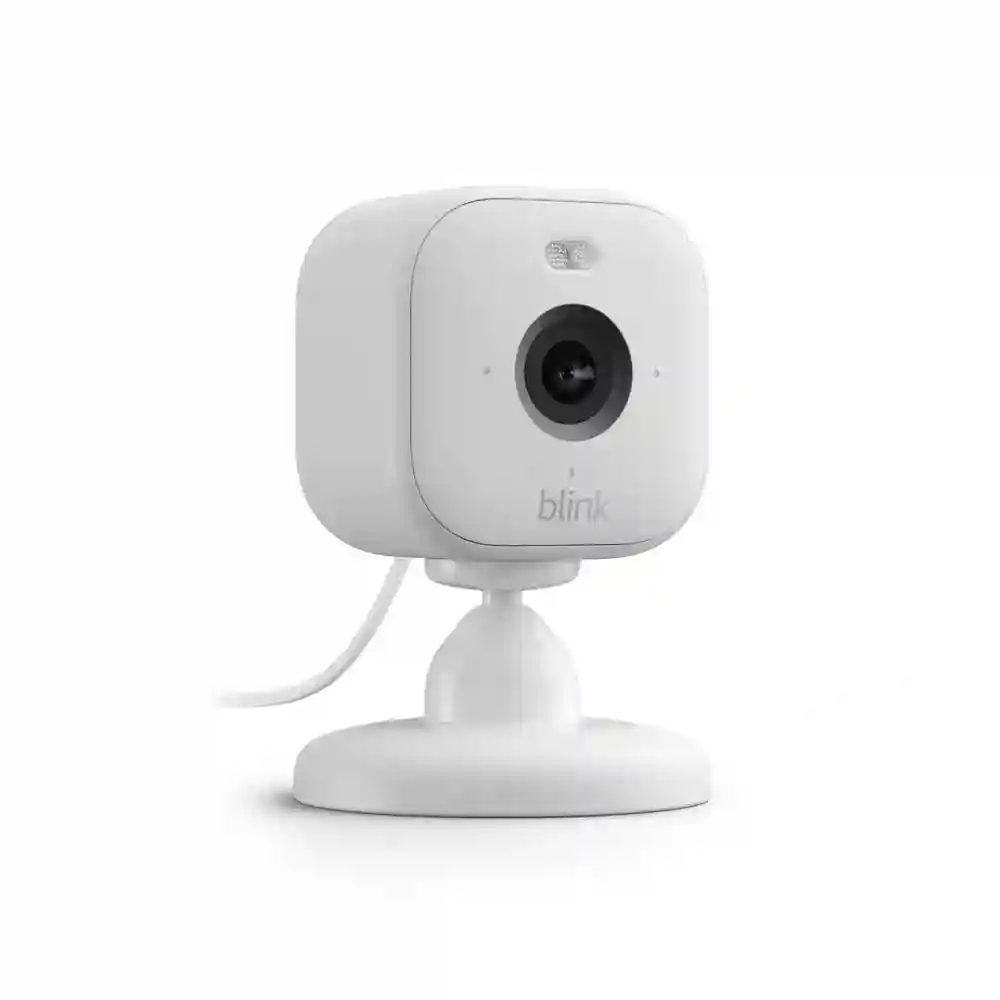
The cheapest decent indoor camera. Plug it in, connect to WiFi, done. 1080p, motion detection, two-way audio, night vision. Local storage via USB drive or Blink subscription ($3/mo) for cloud. Under $30.
Check Availability on Amazon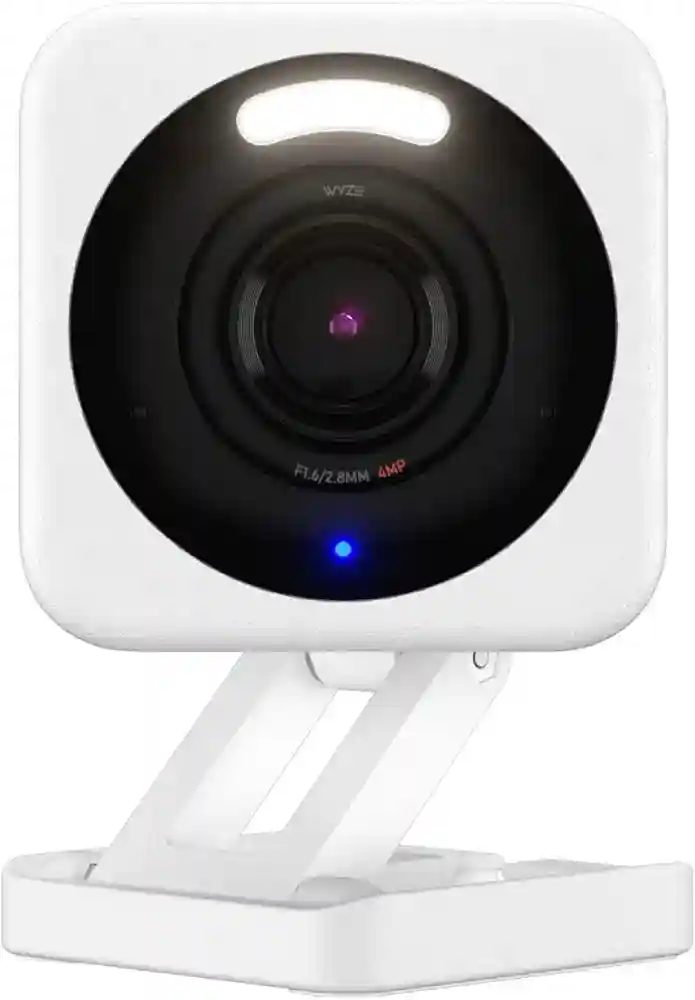
Color night vision, local microSD storage, IP65 weatherproof (overkill indoors but hey), and motion/sound detection — all for $35. Cam Plus at $2.99/mo adds person detection. The best value indoor camera available.
Check Availability on Amazon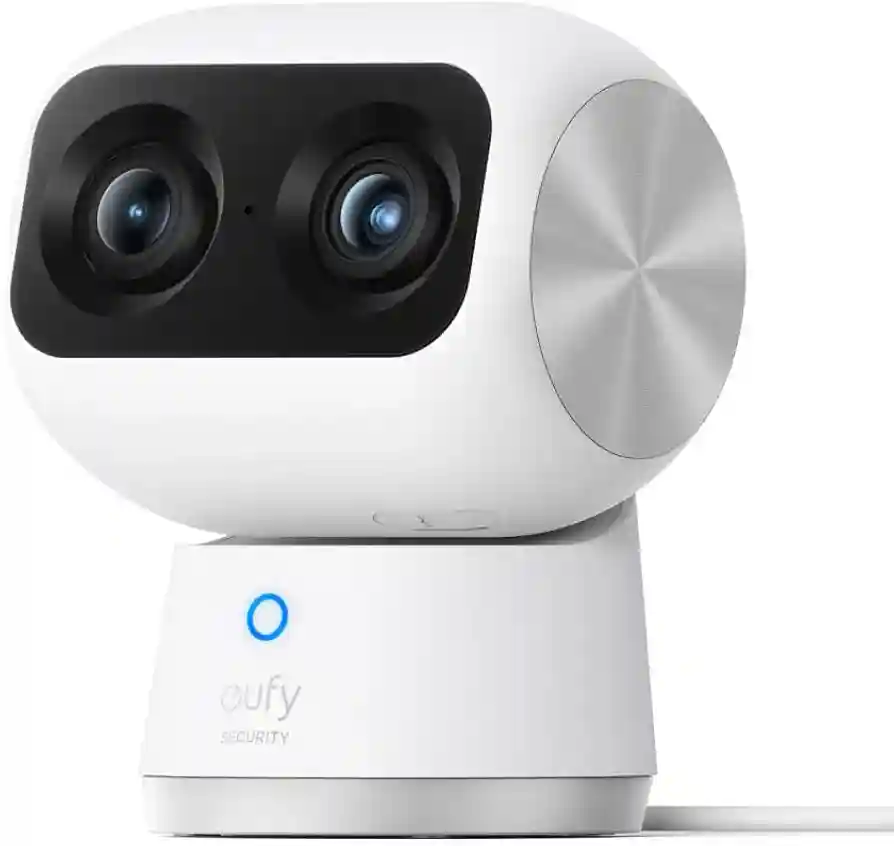
4K resolution, 360° pan and tilt, and zero subscription fees with local storage. AI-powered person detection and tracking follows movement across the room. The best mid-range option if you refuse to pay monthly.
Check Availability on Amazon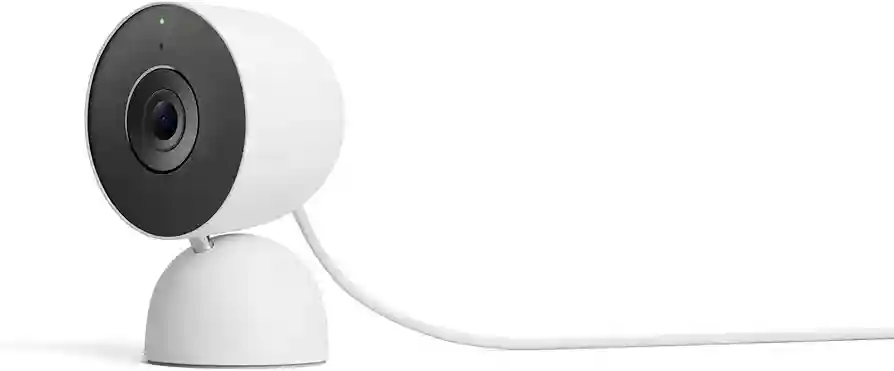
Gemini AI with natural language search, familiar face recognition, 3 hours free storage. Our #1 indoor camera pick overall. Full review in our indoor cameras guide.
Check Availability on AmazonFor the full breakdown of all indoor cameras with specs, pros, and cons, see our Best Indoor Security Cameras (2026) guide.
Video Doorbells for Apartments
A video doorbell lets you see who's at your door without getting up, talk to delivery drivers from your phone, and record anyone who approaches your apartment. For apartments, you need a battery-powered model — most apartment wiring isn't compatible with hardwired doorbells, and even if it is, your landlord probably doesn't want you touching it.
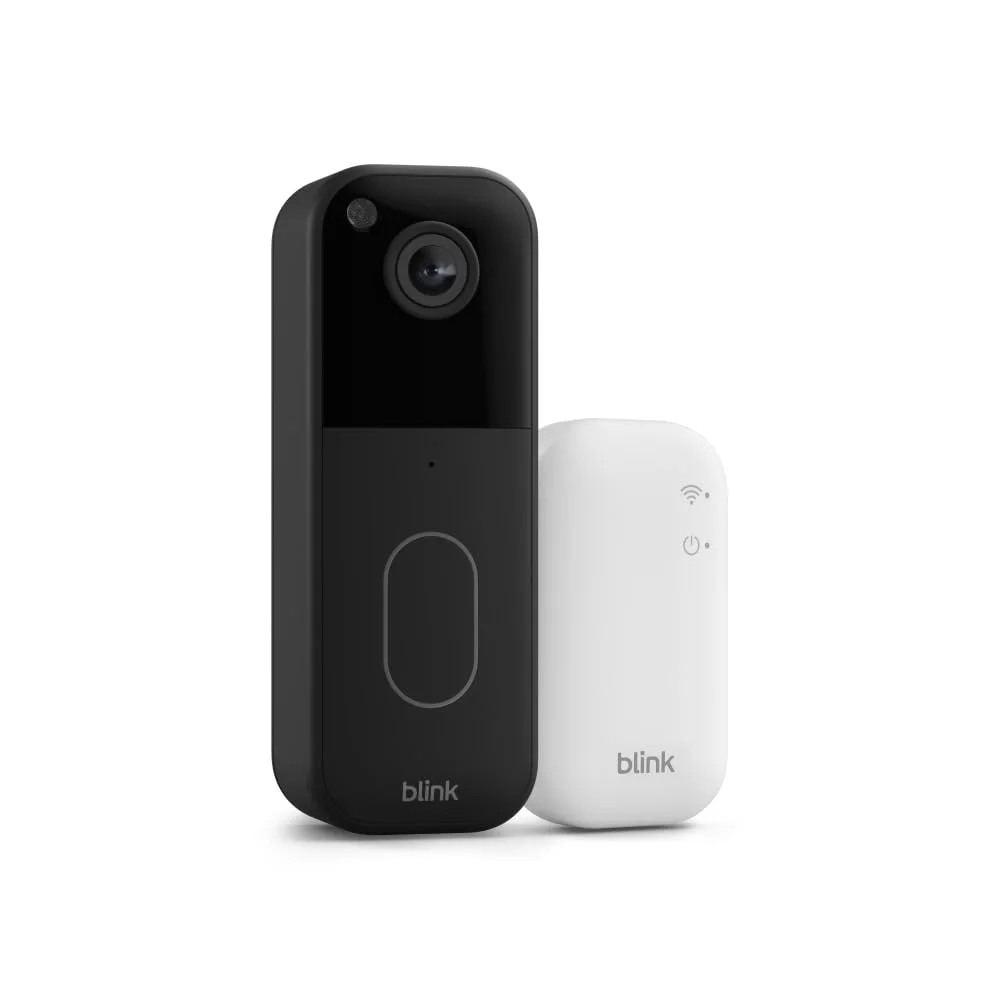
Ultra-budget, battery-powered, 2-year battery life. 1080p, two-way audio, Alexa integration. Two screws to install. The cheapest real video doorbell.
Check Availability on Amazon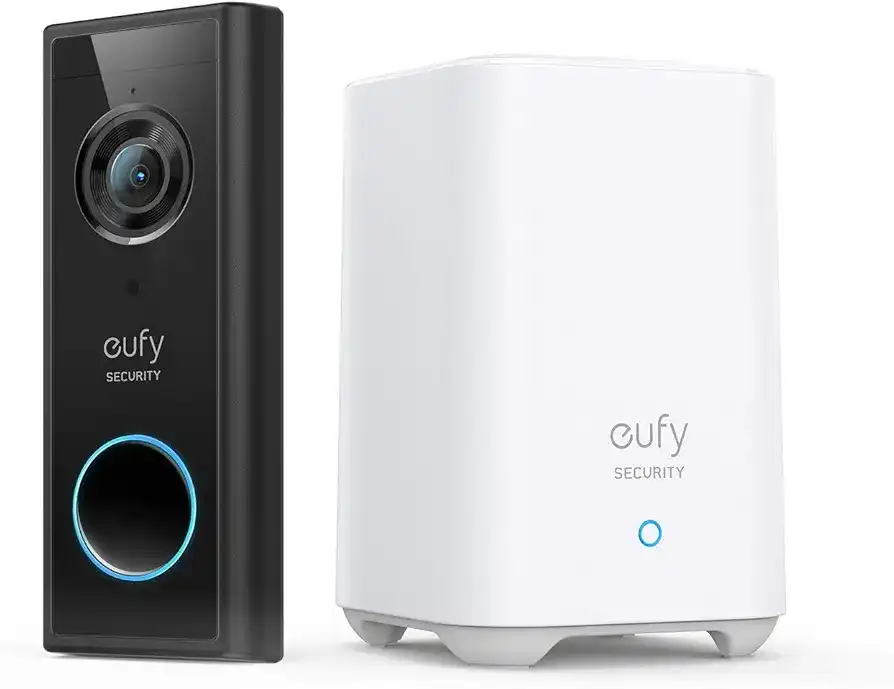
2K resolution, local storage on included HomeBase, no subscription fees. Battery or wired. The best no-subscription doorbell for apartments.
Check Availability on Amazon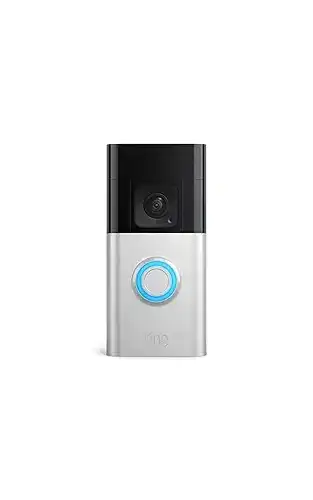
Head-to-toe view, package detection, battery or wired. The mainstream pick. Full review in our video doorbells guide.
Check Availability on Amazon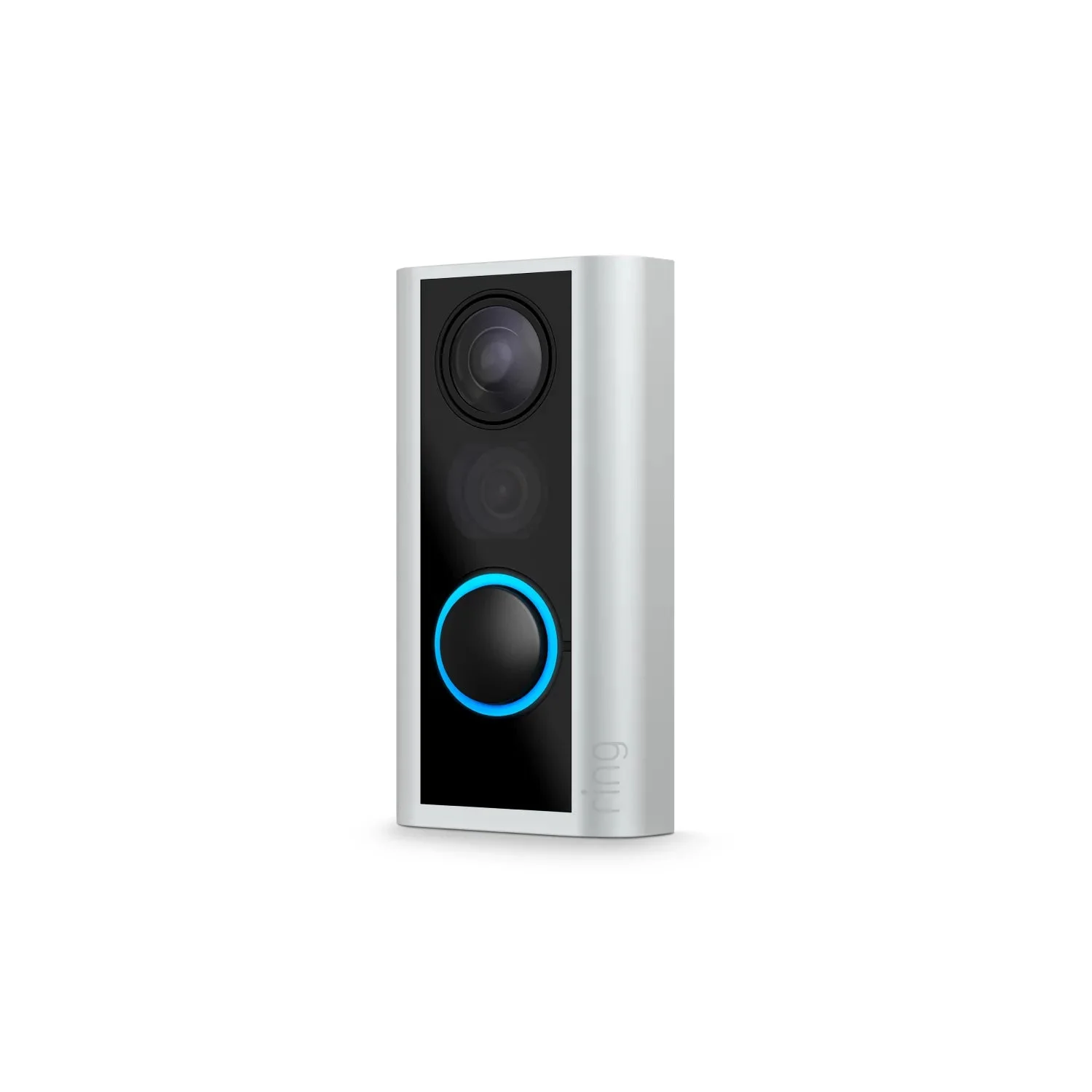
Replaces your existing door peephole — no new holes, no wiring. Battery powered. If your apartment doesn't allow anything mounted outside the door, this installs from the inside. Unique option for strict landlords.
Check Availability on AmazonCheck your building's rules before mounting anything in the hallway. Some buildings don't allow devices on shared walls or common areas. The Ring Peephole Cam is the workaround — it installs from inside your door over the existing peephole, so nothing is mounted in the hallway at all. For the full doorbell breakdown, see our Best Video Doorbells (2026) guide.
Window & Sliding Door Security
Ground floor and fire escape-accessible windows are the second most common entry point after doors. Even upper-floor apartments with balcony sliding doors need attention — sliding door latches are notoriously weak. Every product here is renter-friendly and removable.

Clear security film that holds glass together if shattered. A burglar can crack the glass but can't push through it — the film holds the shards in place. Applies with soapy water, removes cleanly. The most underrated security product for any apartment.
Check Availability on Amazon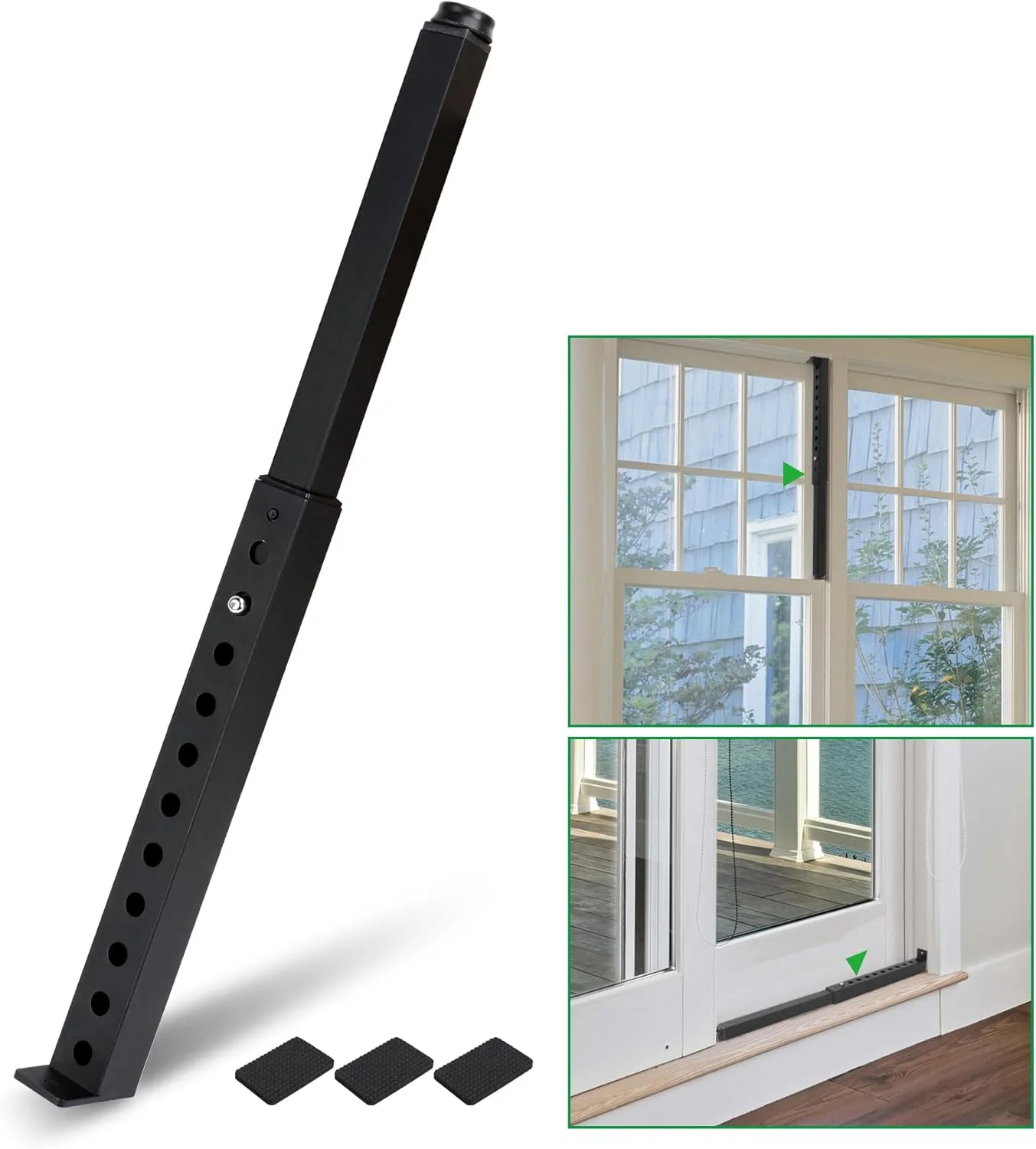
Steel bar expands to fit inside your window track. Prevents the window from being slid open even if the latch is bypassed. 22 adjustable settings, no tools, no installation. Works on sliding windows and sliding patio doors.
Check Availability on Amazon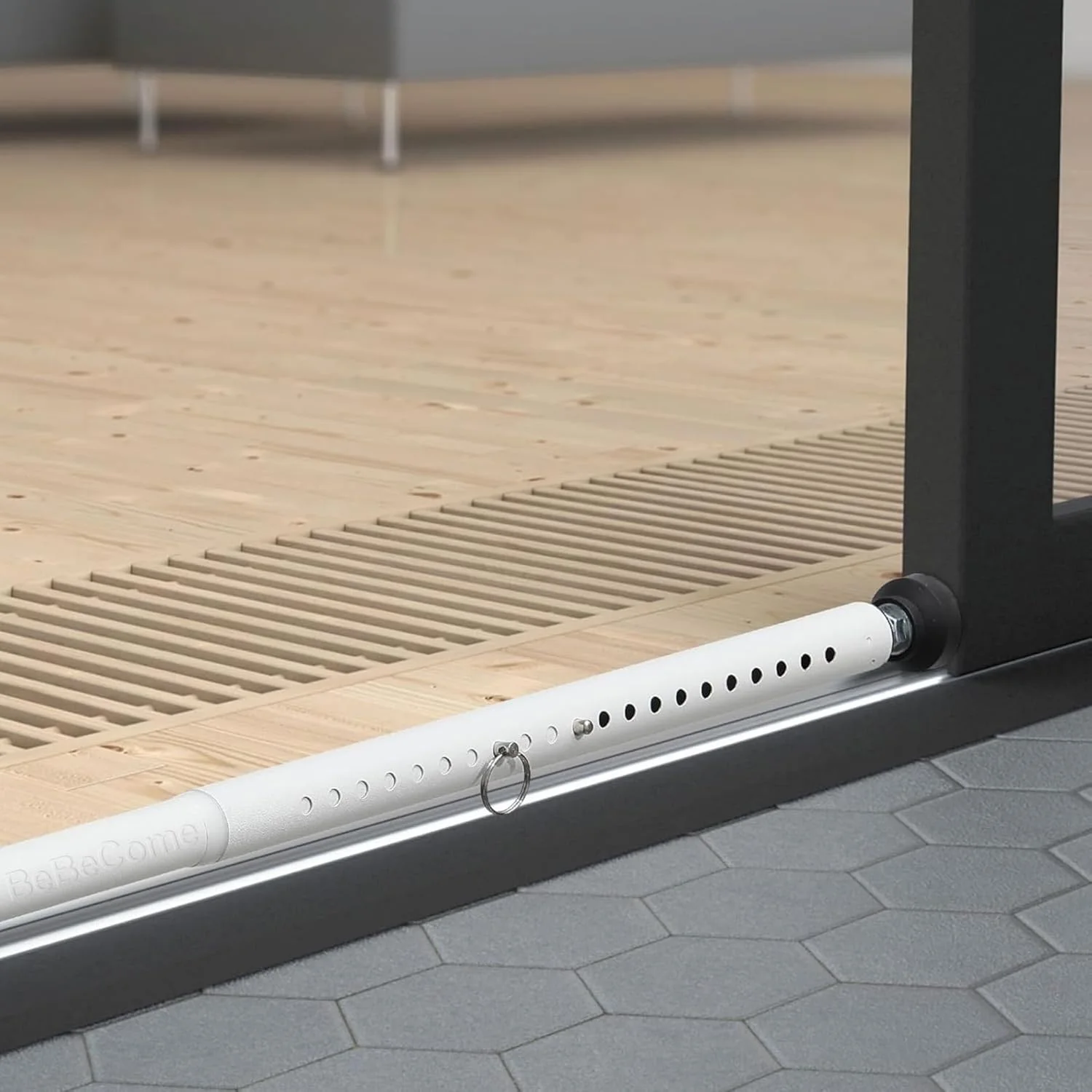
A hinged metal arm that swings down to block a sliding door track. When you want to use the door, flip it up. When you're home or sleeping, flip it down. Prevents sliding doors from being forced open. The modern version of a broomstick in the track.
Check Availability on Amazon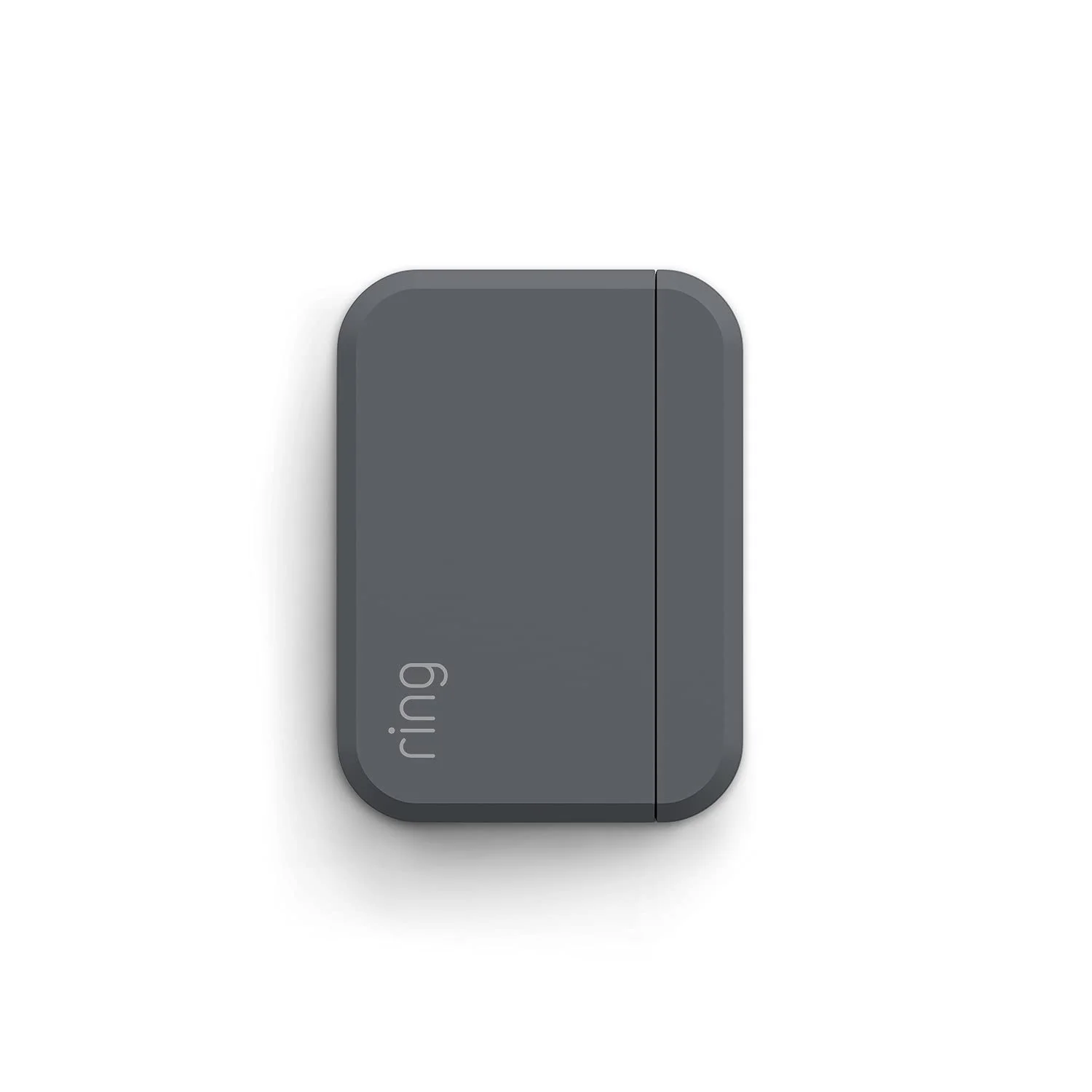
Peel-and-stick sensors that trigger a 120dB alarm when the door or window is opened. Battery powered, completely portable. Buy a 4-pack and put them on every accessible window. Some models have chime/alarm/off modes.
Check Availability on Amazon
Blocks the view into your apartment while letting natural light through. Applies with static cling or soapy water — no adhesive, removes instantly. If a burglar can't see your TV, laptop, and gaming setup through the window, they're less likely to target you.
Check Availability on Amazon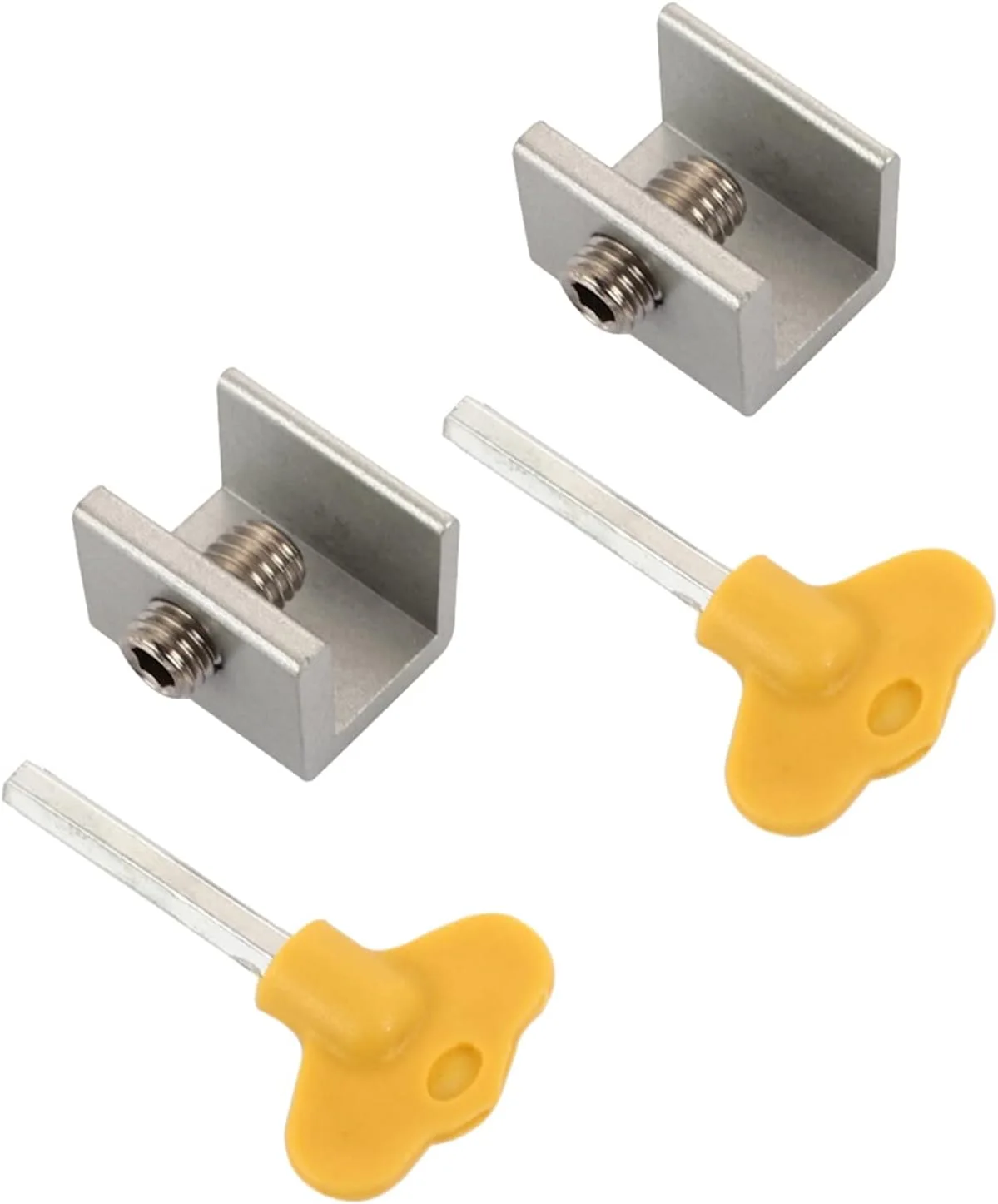
Metal pins that prevent sliding windows from being opened. Some require a small drilled hole (fill with wood filler when you leave), others clamp on. The cheapest physical window lock available.
Check Availability on AmazonDon't have $15 for a charley bar? Cut a wooden dowel or old broomstick to the exact length of your sliding door track. Lay it in the track. The door physically cannot slide open. Total cost: $0 if you have a broom you don't mind sacrificing. This old-school trick has been stopping sliding door break-ins for decades and it still works perfectly. For more on securing all types of entry points, see our Home Security Guide.
Alarm Systems — No Contract, No Drilling
A full alarm system ties everything together — door sensors, window sensors, motion detectors, and a siren that screams if someone triggers them. The best apartment systems are completely wireless, use adhesive mounting, and require no contract. Install in 20–30 minutes, pack up in 5 when your lease ends.
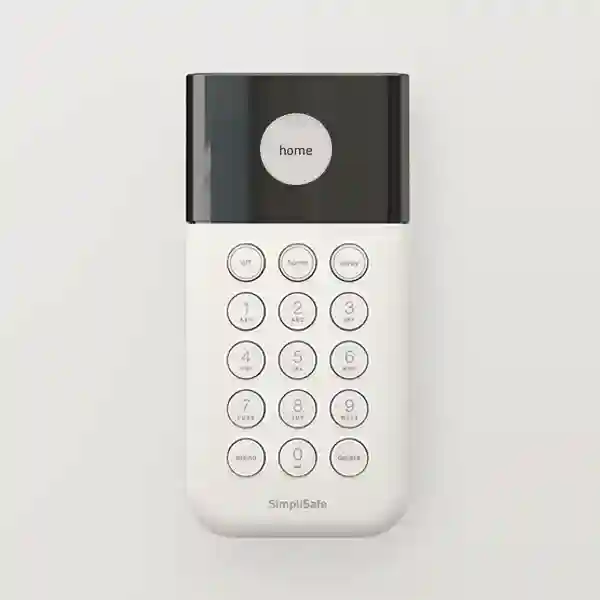
The original renter-friendly system. Peel-and-stick sensors, 20-minute install, no contract. Self-monitor for free or add professional monitoring ($0–33/mo). Intruder Intervention lets monitoring agents speak through your camera to scare off intruders. Full review in our security systems guide.
Check Availability on Amazon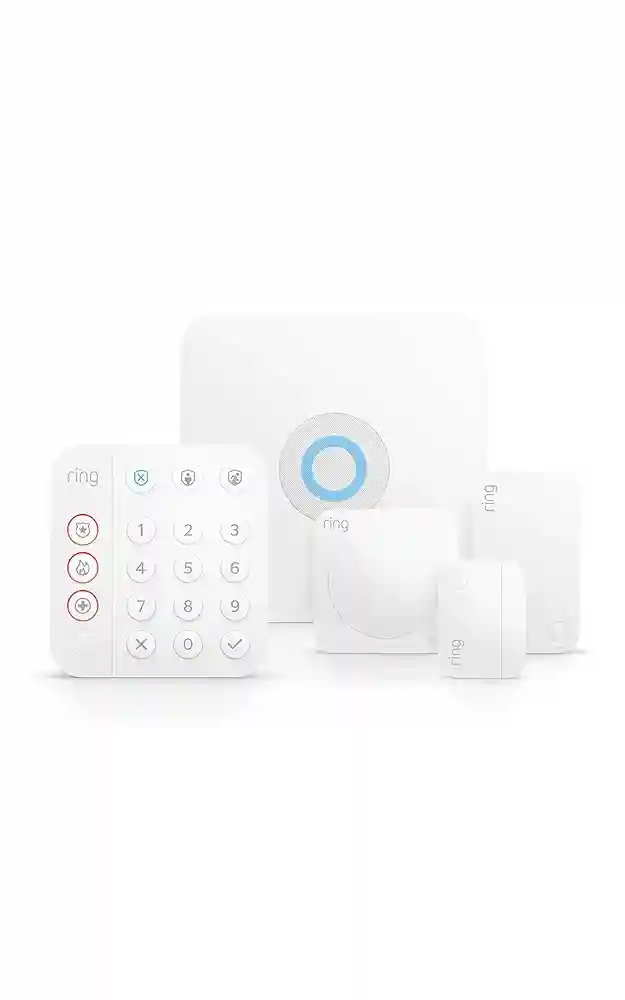
Base station + keypad + 4 door/window sensors + motion sensor + range extender. Adhesive sensors, Alexa integration, optional professional monitoring ($4–20/mo). Range extender handles concrete apartment walls that kill WiFi.
Check Availability on Amazon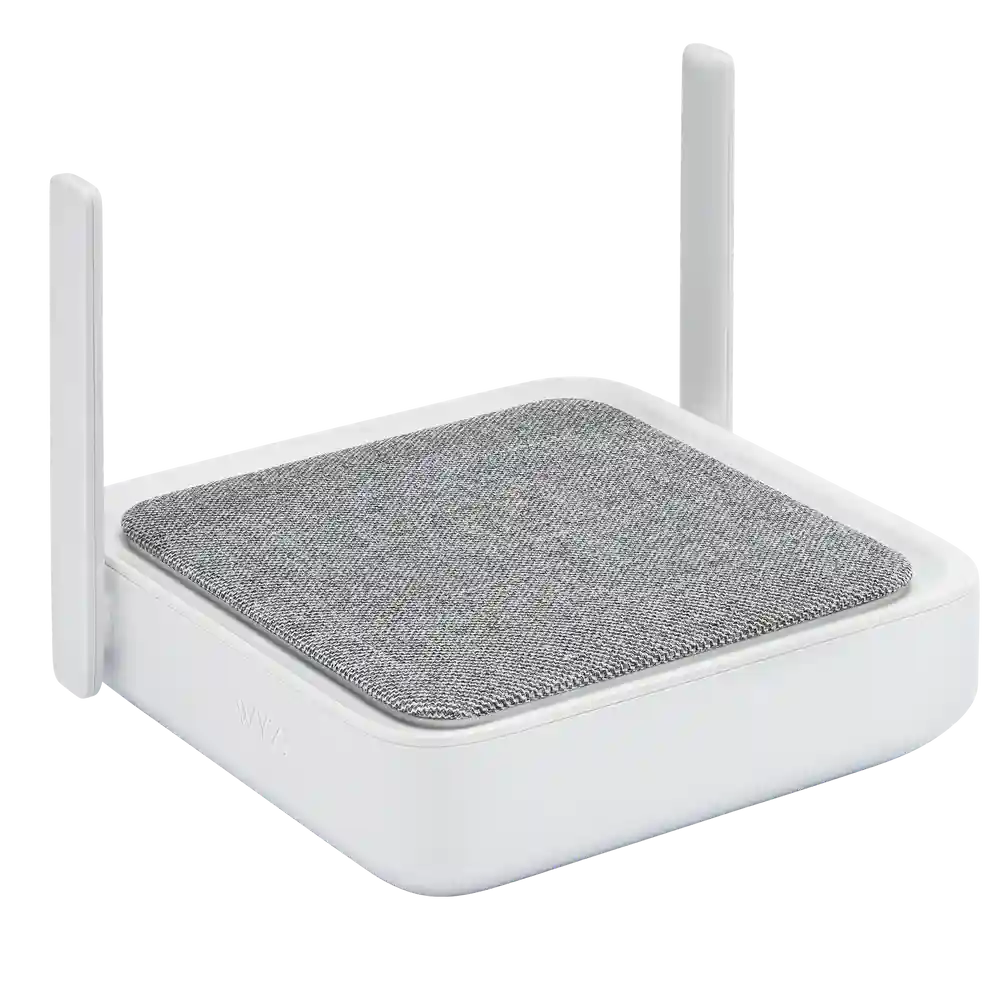
The cheapest full security system available. Hub + keypad + sensors for under $80. Professional monitoring at $8/mo or self-monitor free. Month-to-month, cancel anytime. Best for small apartments on tight budgets.
Check Availability on Amazon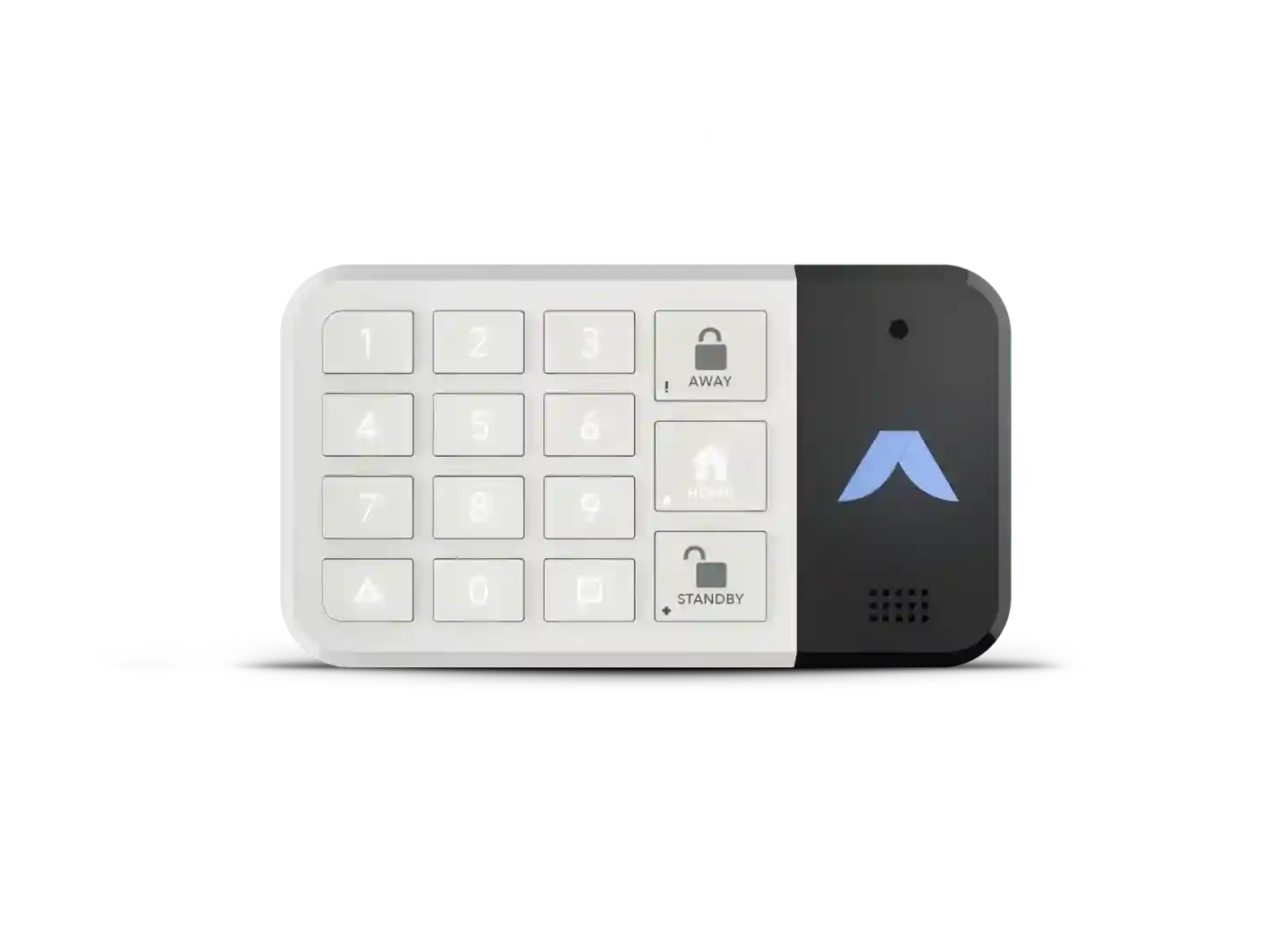
The only system that lets you buy professional monitoring by the day — about 66 cents per day. Going on vacation? Turn on monitoring for a week. Home all month? Self-monitor for free. The most flexible payment model for renters.
Check Availability on AmazonFor the complete breakdown with specs, monitoring plan comparisons, and our full rankings, see Best Home Security Systems (2026).
Portable & Presence Simulation
These are the extras that round out your security setup. They're cheap, portable, and focus on one key principle: make it look like someone's home even when you're not.
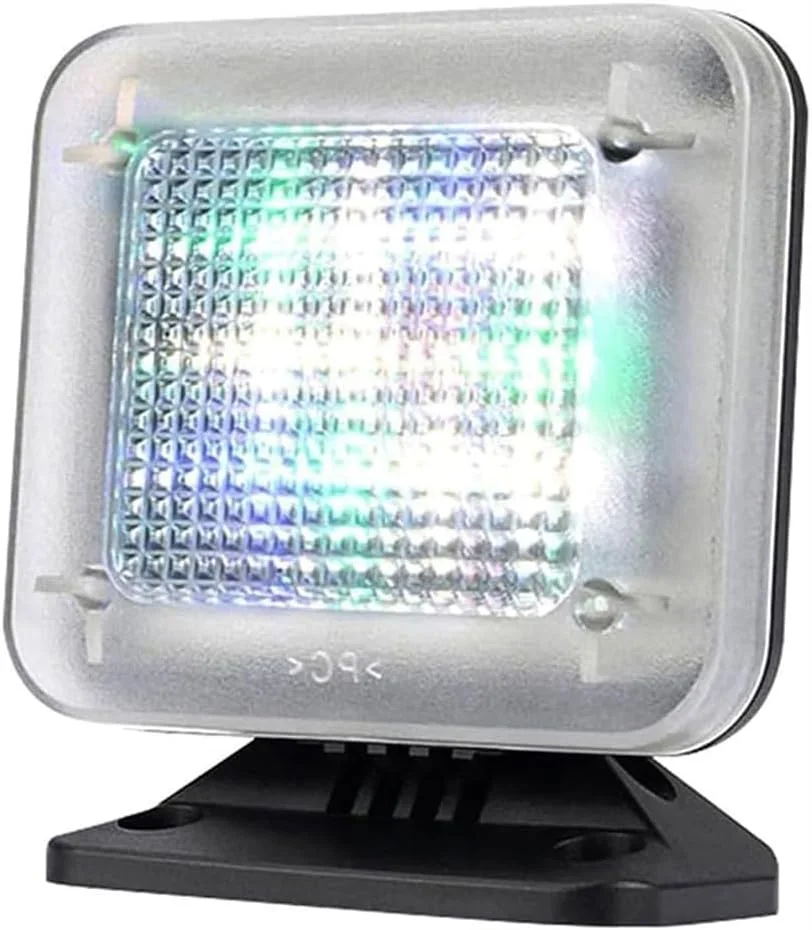
Mimics the flickering light patterns of a television on your walls and ceiling. From outside, it looks like someone's watching TV. Timer-based — set it to run from 7pm–1am while you're out. Surprisingly effective optical illusion.
Check Availability on Amazon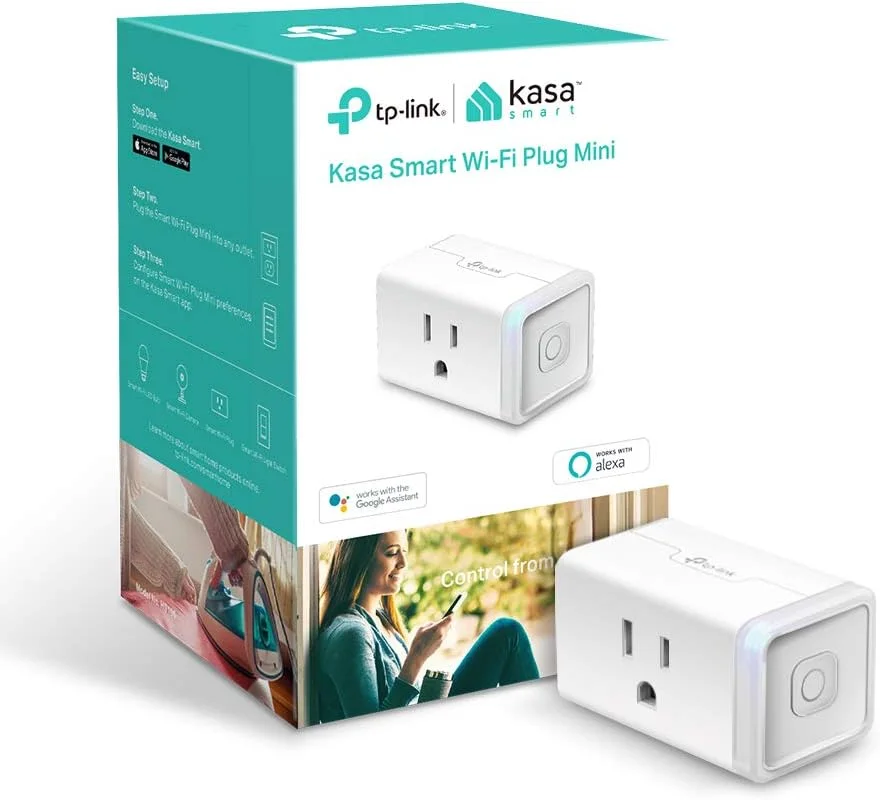
Plug in a lamp, set a schedule via the app. Lights turn on at sunset, off at midnight — every day, automatically. Makes it look like someone's home even when you're on vacation. Alexa/Google compatible.
Check Availability on Amazon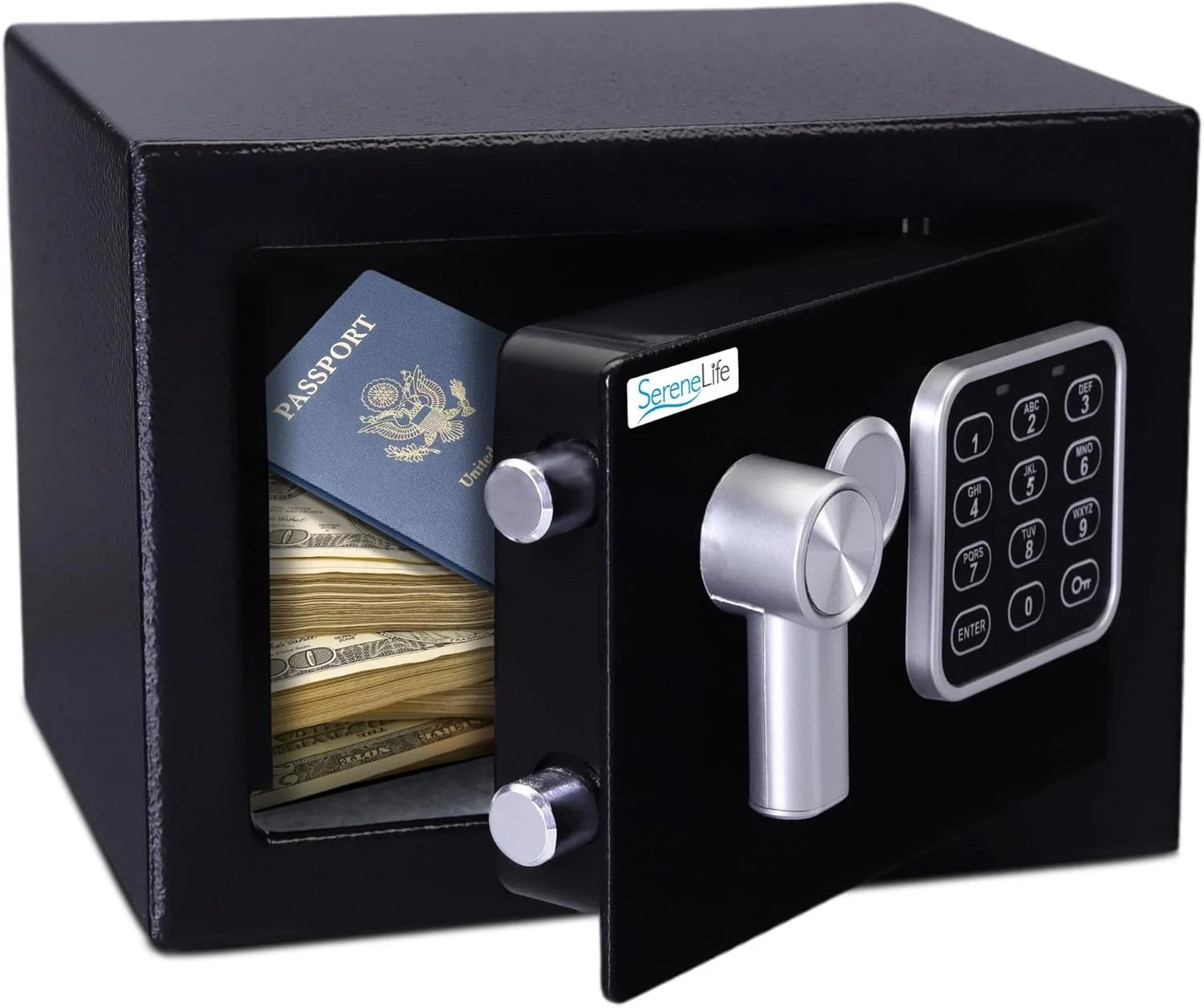
Small safe with cable that locks to a piece of furniture. Keep your passport, emergency cash, jewelry, and documents secured. Even if someone enters your apartment, they can't walk out with your safe if it's cabled to your bed frame.
Check Availability on AmazonFree Habits That Cost Nothing
The most effective security measures don't cost a dime. These behavioral habits reduce your risk more than most products.
Ask for a rekey when you move in. Previous tenants may have copies of your key floating around. Most landlords will rekey for free or a small fee between tenants. If they refuse, that's a red flag.
Meet your neighbors. Community awareness is the single most effective crime deterrent. A neighbor who recognizes a stranger at your door is worth more than a $500 camera system.
Don't post vacation photos until you're home. Broadcasting that your apartment is empty is an open invitation. Post the sunset pics when you're back.
Keep valuables out of window sightlines. If a burglar can see your TV, gaming setup, and laptop through the window, you've just given them a reason to target you. Rearrange furniture so expensive items aren't visible from outside.
Close curtains at night. Always. Lit apartments with open curtains are a display case. This is especially critical for ground floor units.
Report broken building security immediately — in writing. Broken lobby locks, burned-out stairwell lights, propped-open garage doors. Email your landlord so there's a paper trail. You're paying rent — you deserve working building security.
Don't buzz in people you don't recognize. The intercom exists for a reason. Tailgating through a secure entrance is the most common way unauthorized people get into apartment buildings.
Get renters insurance. $15–30/month covers theft, damage, and liability. If someone does break in despite all of this, insurance replaces your stuff. Some providers offer discounts for apartments with security systems.
Budget Tiers — Start Anywhere
You don't have to do everything at once. Pick the tier that matches your budget right now and build up over time. Every tier is a meaningful improvement over an unsecured apartment.
Covers your door and windows with zero installation, zero monthly fees, and zero damage. The absolute minimum everyone in an apartment should have.
Now you have a camera pointed at your door (proof of who enters), a smart lock with fingerprint access, and window alarms. You'll know if anyone enters your apartment and when.
A full alarm system with door/window sensors, motion detector, siren, and optional professional monitoring ties everything together. Your apartment is now harder to break into than most houses.
Smart lock with activity logs, Gemini AI camera and doorbell, full alarm with professional monitoring, reinforced door and windows. Your apartment has better security than 90% of houses. Everything is renter-friendly and comes with you when you move.
Frequently Asked Questions
Yes. SimpliSafe, Ring Alarm, Wyze, and Abode all use adhesive-backed sensors that stick to doors and windows. Base stations plug into standard outlets. When your lease ends, peel off the sensors and pack up in minutes. No holes, no damage.
At minimum, ask your landlord to rekey the locks. Previous tenants may have copies. Most landlords rekey for free or a small fee between tenants. If they refuse, a retrofit smart lock like the August WiFi installs over your existing deadbolt without changing the physical lock.
Laws vary, but most require 24 hours written notice except for emergencies. However, they do have a key. An indoor security camera pointed at your front door is the only reliable way to verify whether anyone entered while you were away — and when.
Under $45: a door stop alarm ($10), portable door lock ($18), window security bar ($12), and privacy film ($10). Four items, zero installation, zero monthly fees. Add a $30 camera and you have eyes on your apartment for under $75 total.
If you can afford $50-200 for equipment and optional $0-20/month for monitoring, yes. Ring Alarm and SimpliSafe both offer no-contract apartment setups that install in under 30 minutes. The deterrent effect of visible sensors and a yard sign alone makes it worthwhile.
Apply security film to all accessible windows, add window security bars or pin locks, use a charley bar in sliding door tracks, install door/window sensors, use privacy film or curtains to block the view inside, and add motion sensor lighting if your building allows it. An indoor camera and video doorbell complete the setup.
Renting Doesn't Mean Unprotected
The biggest myth about apartment security is that you can't do anything because you rent. That's wrong. Every product in this guide is renter-friendly — removable, portable, and lease-safe. The real barrier isn't your lease. It's inertia.
Start with Tier 1 for under $50 and work your way up. A door stop alarm and a portable lock take 30 seconds to set up and cost less than a pizza. An indoor camera that logs every entry to your apartment costs $30. Window security film that holds glass together costs $30 per window.
Security is layers. Each layer a burglar has to get through makes them more likely to give up and move to an easier target. You don't need to make your apartment unbreakable — you just need to make it harder than the one next door.
For the full picture of how all these layers fit together, read our Home Security Guide. For the deep psychology behind why these layers work, explore Deep Cuts.