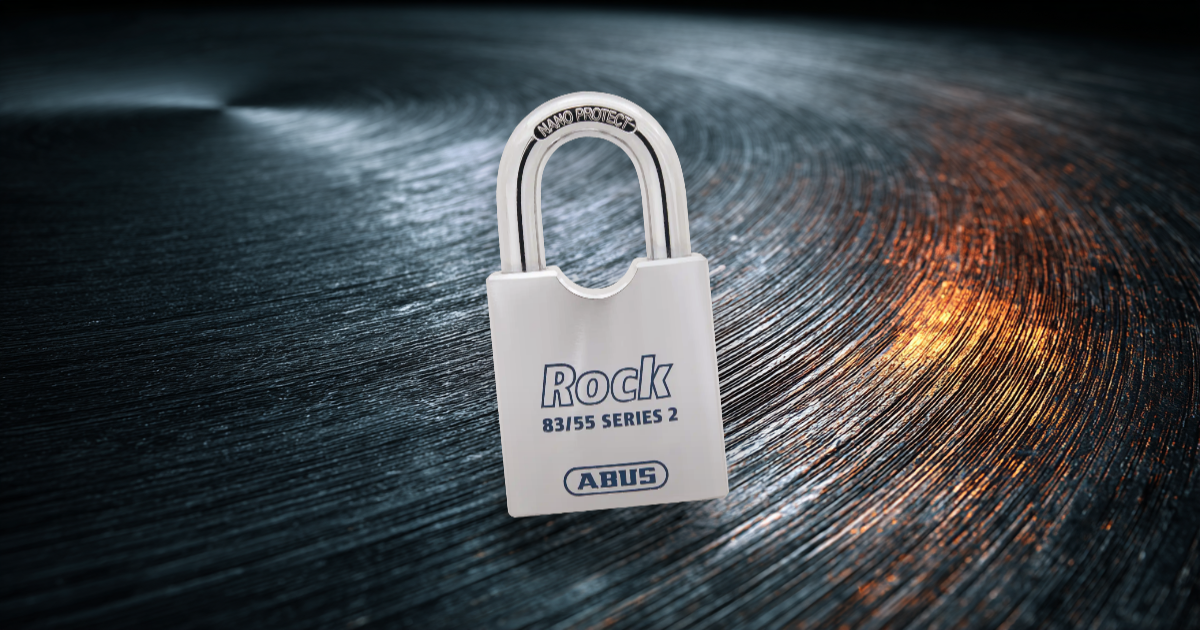
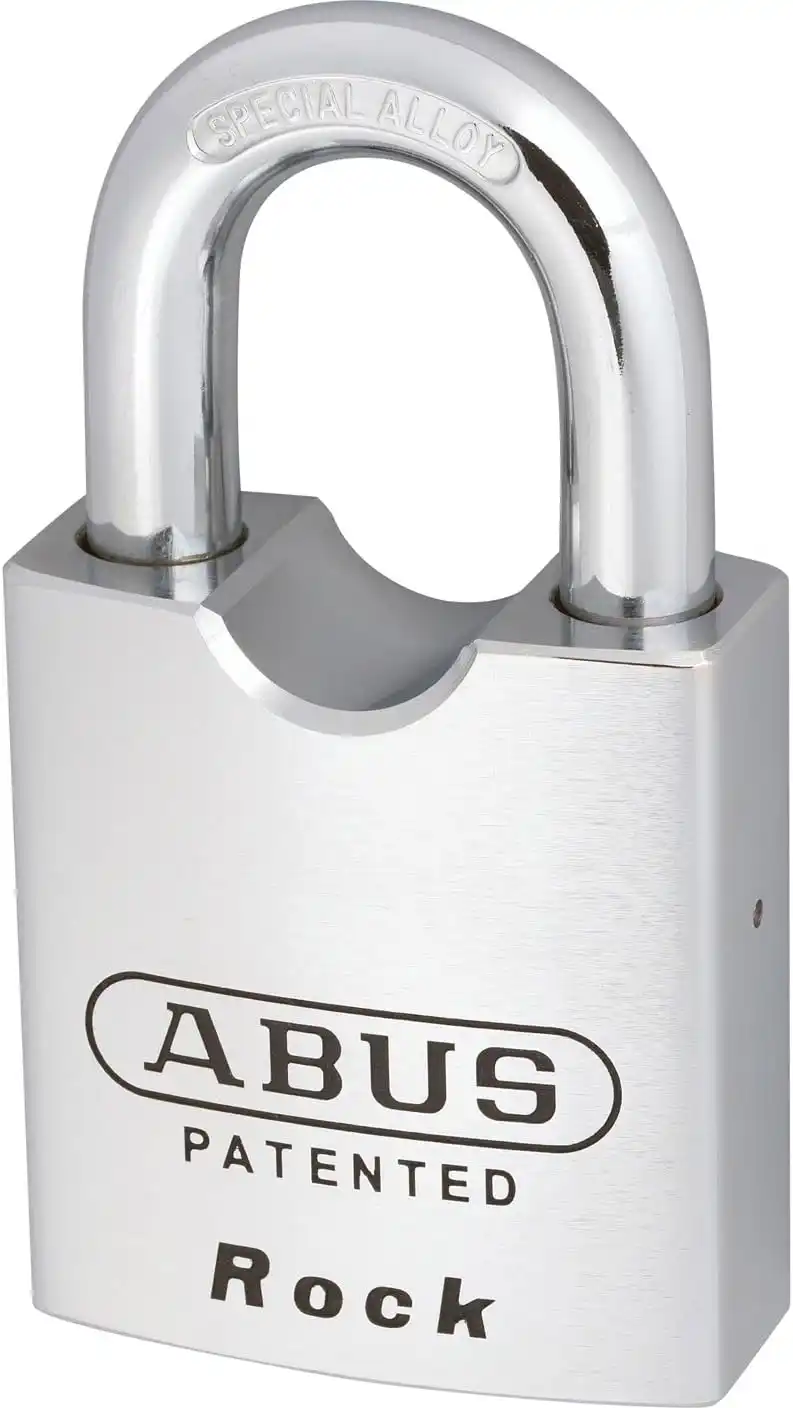
Buy the body once, upgrade the guts forever. Hardened steel body and shackle, double-bolt locking, NANO PROTECT chrome, and a patented Z-bar that flips it between key-retaining and non-key-retaining in seconds. It is built for warehouses, gates, containers and trailers, and it feels like it.
The reason to buy it isn't the metal, though. It's that the cylinder comes out. This is the padlock you fit to an existing key system instead of adding another key to your ring — and if you later want better key control, you change the cylinder rather than the lock.
Body & shackle9
Key system flexibility10
Cylinder as supplied6
Cut resistance (open shackle)6
Value for the right buyer9
How to read this review
We do not own this lock. Everything below is specification, mechanism and consensus, tagged accordingly.
TestedPhysically in hand. Nothing on this page carries this tag.
DocumentedPublished specification or primary source. Linked at the bottom.
ManufacturerABUS's own claim. A claim, not a fact.
CommunityLocksmith and locksport consensus. Informed opinion.
ABUS put the 83 series in their Steel line, and the specification reads accordingly: Documented
- Hardened steel body and shackle, chrome plated with ABUS's NANO PROTECT coating for corrosion resistance. Manufacturer
- Double-bolted locking — it latches on both sides of the shackle, so cutting one leg doesn't release it and prying is considerably harder.
- 55 mm body, 11 mm (7/16″) shackle diameter, 37 mm (1-7/16″) vertical clearance, 25 mm horizontal.
- ABUS list its use cases as industrial gates, warehouses, trailers, containers and garages. That's an honest description of the tier.
Put those numbers next to the padlocks most people actually own and the gap is obvious. The 55/40 has a 6 mm shackle; this has 11 mm. The Master Lock 140D gives you 22 mm of vertical clearance; this gives 37 mm — enough for a proper gate staple or a chain.
One inconsistency worth flagging: ABUS's own product pages place the 83 series in the Steel line with a hardened steel body, while some distributor listings describe the 83/55 as solid brass. We've gone with ABUS. If you're buying for a corrosive environment specifically, confirm the body material of the exact variant with the seller. Sources disagree
The shackle is still exposed
Worth being straight about, because it's the one place this lock is beatable by the most common attack. The standard 83/55 is an open-shackle padlock. All that steel doesn't change the fact that bolt cutter jaws can close around it.
If cutting is your actual threat, two answers: the 83CS variant with a shackle guard, which shrouds it, or a Diskus, where the shape removes the attack entirely. Documented As we've said elsewhere on the site, cut resistance is a function of geometry rather than hardness — an 11 mm hardened shackle you can get jaws onto is more work than a 6 mm one, but it's the same category of problem.
Padlocks come in two behaviours and you normally have to choose at the till.
- Non-key-retaining — push the shackle shut and it locks. Convenient. Also how padlocks end up hanging open on a gate post, or worse, locked shut with the key inside the building.
- Key-retaining — the key won't come out unless the lock is closed. You physically cannot walk away with the key while the lock is open. On a site with fifty gates and twenty staff, that eliminates an entire category of human error.
The 83/55 does both. ABUS's patented Z-bar is a small insert that converts the lock from one behaviour to the other in seconds — insert it for key-retaining, remove it for automatic. Documented
It sounds like a gimmick until you've had to specify locks for a site. Key-retaining is the right choice on anything where a lock being left open is the failure you're worried about; automatic is right where speed matters and people have their hands full. Being able to change your mind after purchase, per lock, is genuinely useful — and no other padlock at this price offers it.
Why this lock exists
Almost everything on this site is judged on how hard it is to open. The 83/55 is the one where that isn't really the point. It's a lock designed around the problems of managing locks — matching keys, changing keys, standardising across a site, deciding whether a key can leave with the lock open.
Those problems don't exist when you own one padlock. They're most of the job when you own forty. That's why locksmiths and facilities people reach for this and homeowners have never heard of it.
This is the actual reason to buy the lock, and most listings bury it under the metalwork.
The 83/55 ships zero-bitted — the cylinder is there but uncut, supplied with a key blank. You take it to a locksmith, or do it yourself with a pin kit, and cut it to a key you already own. The lock joins your existing system instead of adding to your keyring. Documented
And the cylinder is a module. The 83/55 platform accepts cylinders in a long list of common commercial and residential keyways: Documented
Available keyed different, keyed alike, or master keyed to an existing system. Documented
What that means in practice is the sentence in this review's title. The cylinder as supplied is an ordinary pin tumbler — a standard Schlage or Kwikset cylinder is not a high-security cylinder, and if you buy the lock and leave it as it comes, you have a very good body around an average core. The same criticism we make of the Schlage B60N applies here.
The difference is that here it's fixable. Move to an Everest cylinder and you get restricted key control on the same lock. That upgrade path is the product.
Specification
Model
ABUS 83/55 Rock. 83CS/55 adds a shackle guard
Body
Hardened steel, 55 mm wide, chrome plated with NANO PROTECT Manufacturer
Shackle
Hardened alloy steel, 11 mm (7/16″) diameter
Clearance
37 mm (1-7/16″) vertical, 25 mm horizontal
Locking
Double bolted. Z-bar converts key-retaining / non-key-retaining
Cylinder
Exchangeable. Yale, Kwikset KW1, Schlage C 5-pin and 6-pin, Schlage Everest, Corbin Russwin, Sargent LA/LC, Weiser, Falcon, Arrow AR1, Schlage C-L, Master Lock M1 and W6000
Supplied
Zero-bitted with key blank, or pre-cut to an existing key number
Keying
Keyed different, keyed alike or master keyed
Options
Cylinder protection cap against moisture and dust
Nearly every padlock is a sealed decision. You buy it, you get its key, and if you later want it on a different system or with a better cylinder, you buy a different lock. The 83/55 is built the other way round: a serious body with a socket in it, and what goes in the socket is up to you and revisable.
That's why locksmiths reach for it and homeowners have never heard of it. Nobody with one shed needs a modular key platform. Anyone with a dozen gates, a mixed set of old keys, or a plan to tighten key control later is buying exactly the right thing.
Verdict — 8 / 10
An excellent body sold with an average cylinder — and the only lock here where that's a feature rather than a complaint.