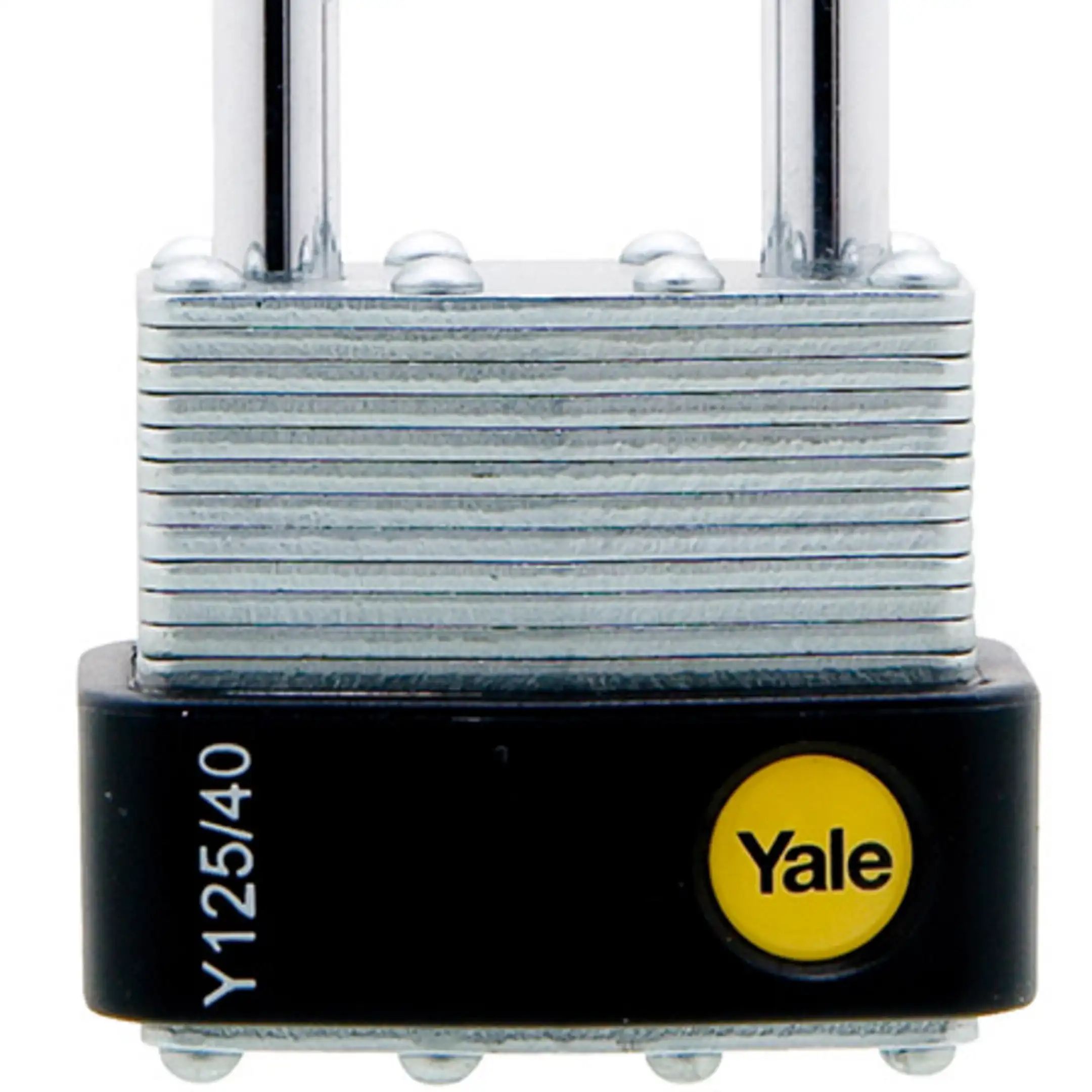
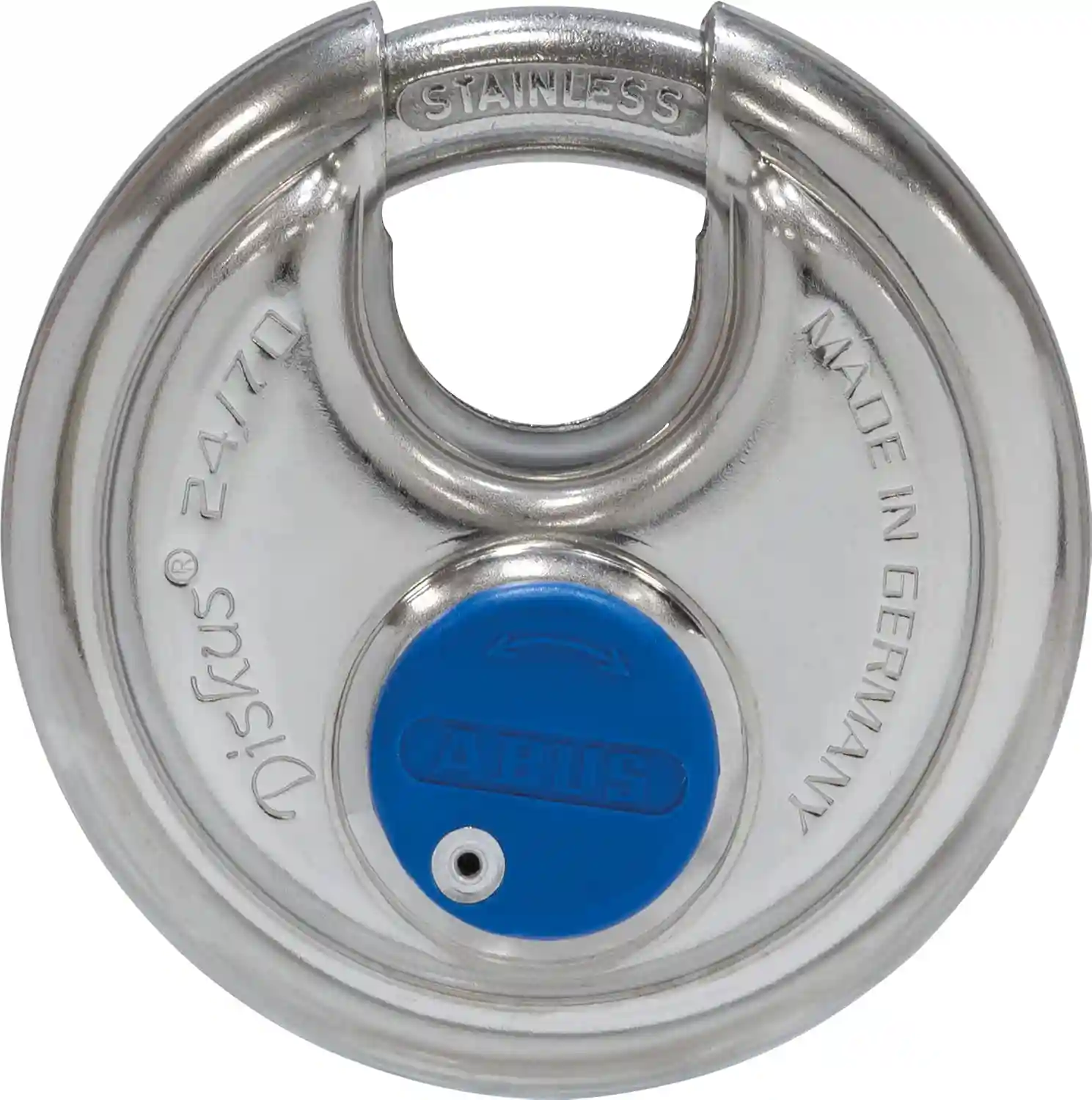
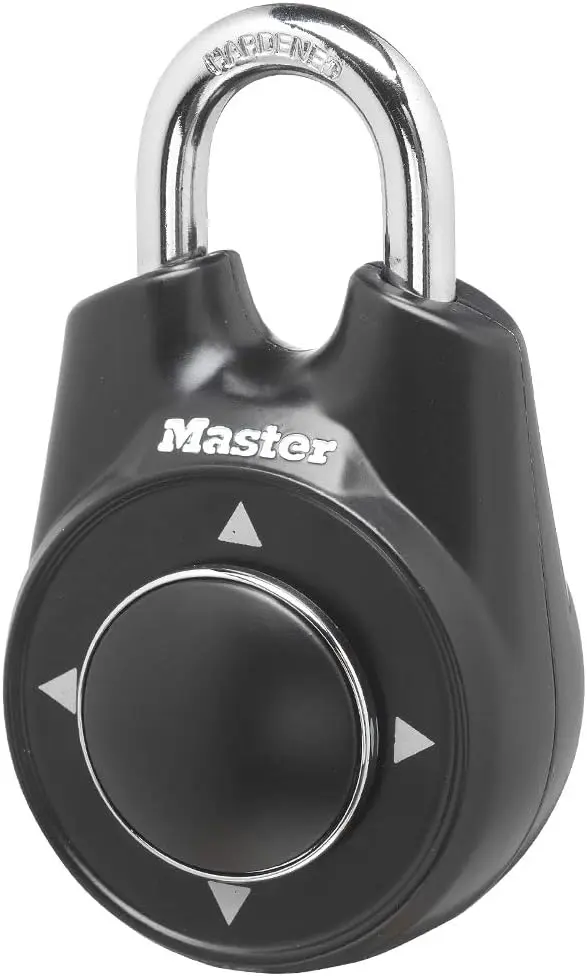
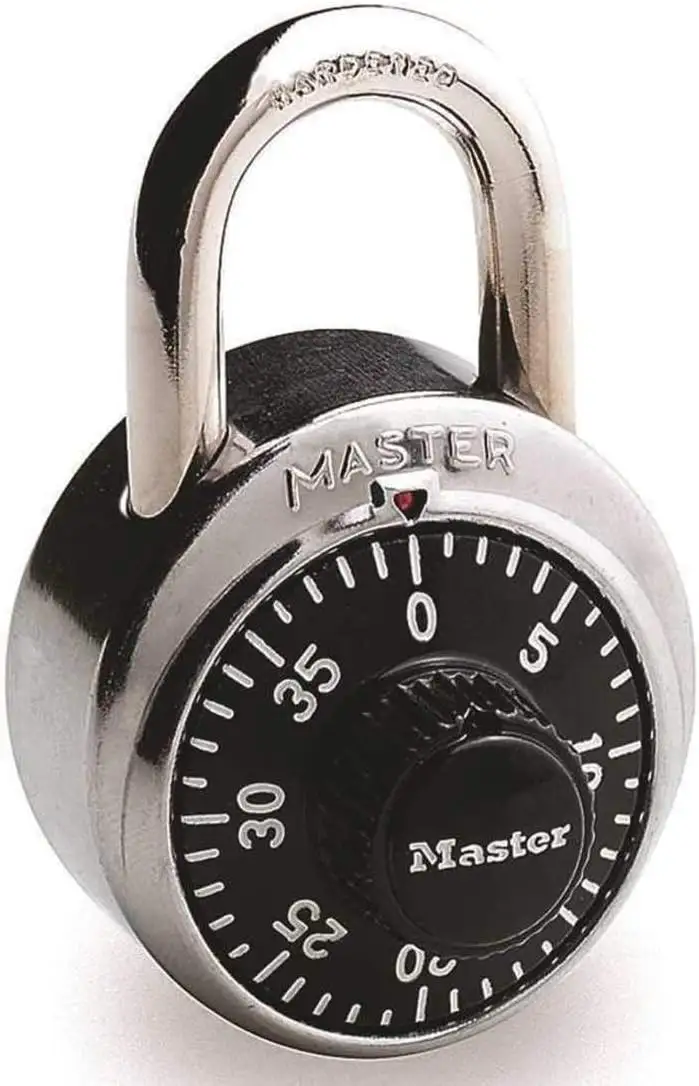
There's a dangerous assumption baked into most hardware store shopping: if it has a keyhole and a shackle, it's secure. It isn't. The difference between a $6 padlock and a $22 one isn't build quality — it's the difference between a deterrent and a joke.
Prices are current retail as of early 2026. Here's the full breakdown, starting with the ones worth your money.
How to read this roundup
Every claim carries a tag saying where it came from. Where a vulnerability is well established but we haven't personally reproduced it, the tag says so.
TestedPhysically in hand, by us.
DocumentedPublished specification or primary source. Linked at the bottom.
ManufacturerThe maker's own claim. A claim, not a fact.
CommunityLocksmith and locksport consensus. Informed opinion.
The short version, if you're buying now
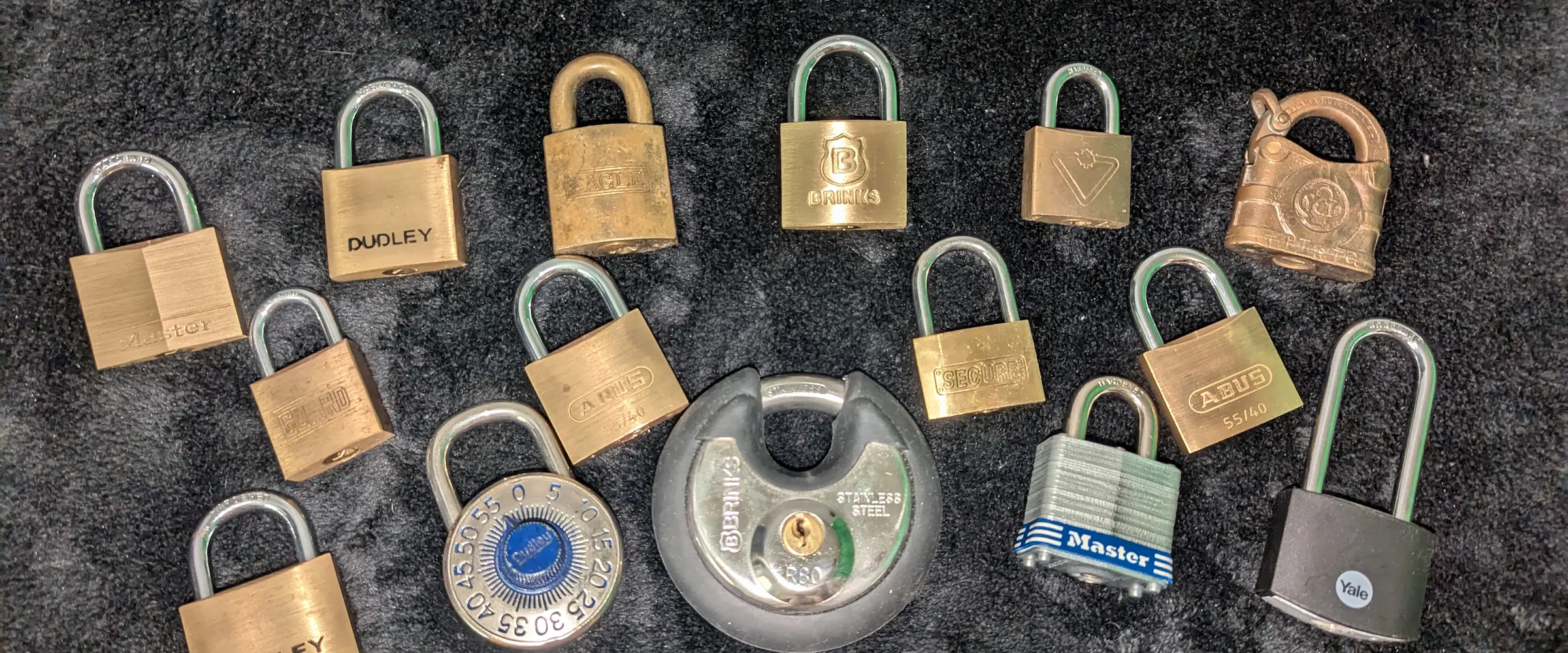
If you've read anything else on this site you'll have noticed an absence. The ABUS 55/40 — the lock we recommend over the Master Lock 140D, the lock that wins our head-to-head, and the lock we score 8/10 — isn't among the twelve.
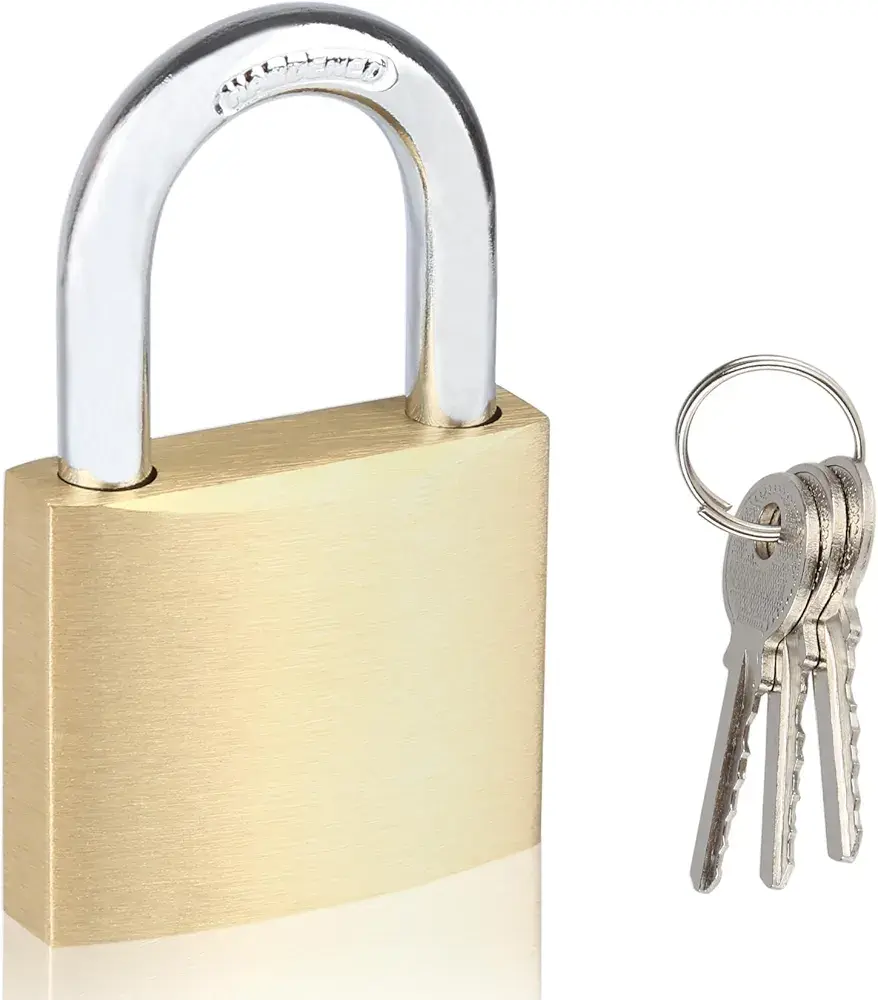
It belongs in the same conversation and it's the same money. Solid brass body, five pins, spool security pins, and tolerances tight enough to teach good habits rather than reward sloppy ones. Where it sits against the six above: less pick-resistant than the PACLOCK, less cut-resistant than the Diskus, lighter on weather than the Titalium — and cheaper than all three.
One thing we can say about it that we can't say about any lock on this list, because we own three: they make an unusually good practice set. Each has different cuts, so each has a different binding order, and one has a chamber sitting well off its neighbours that took a month to find. Tested That's ordinary — any two keyed-different locks differ that way — but it means three of the same cheap padlock give you three genuinely different puzzles at the same tolerances.
1. Pin count matters more than price. A six-pin cylinder at $22 is meaningfully harder to pick than a four-pin at $18. Assuming four cut depths per position, four pins allows 256 bittings and six allows 4,096 — and every extra pin is one more chamber a picker must hold set while hunting the next.
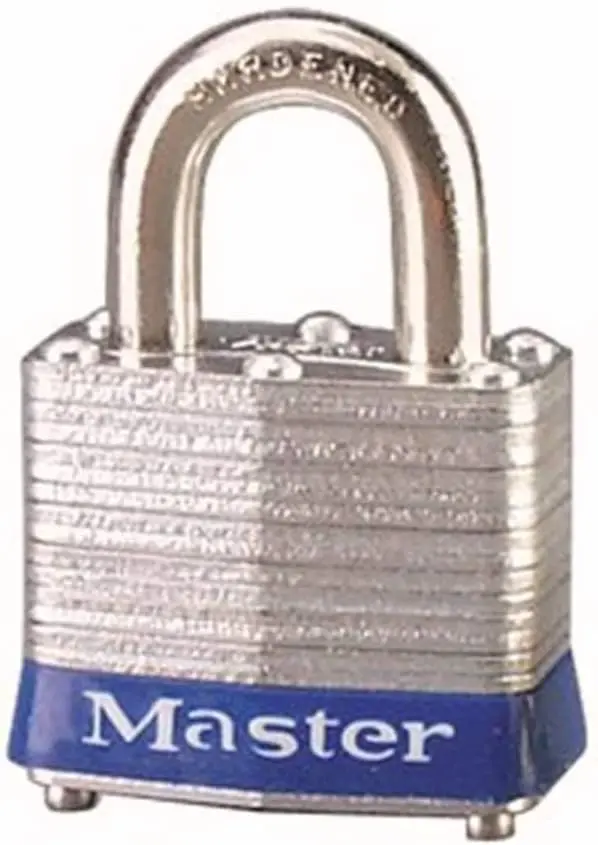
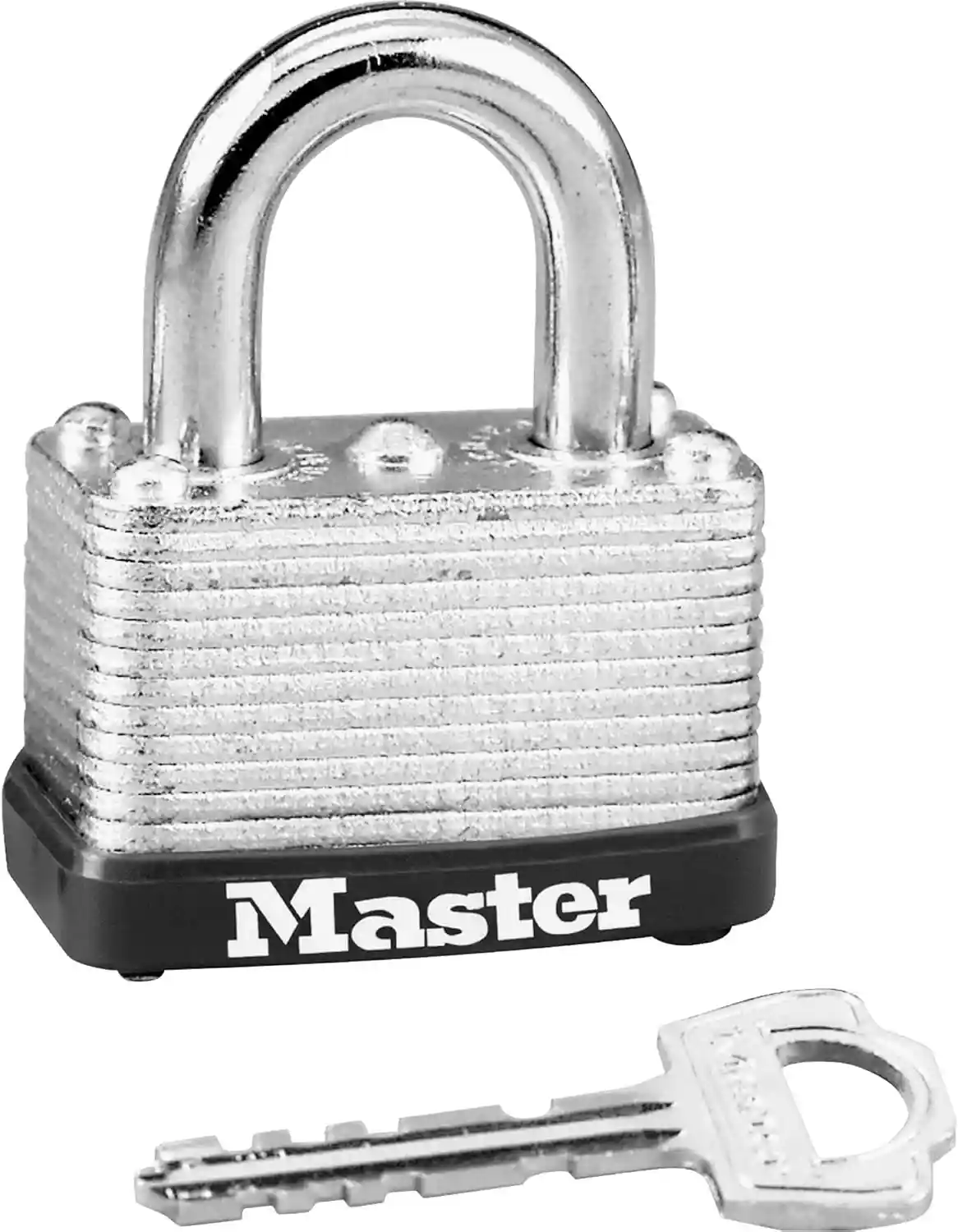
2. Shackle shape matters more than shackle thickness. This is the one most people get backwards, ourselves included until we measured. The Master Lock No. 3 has a thicker shackle than the ABUS 55/40 and it doesn't help, because thickness only matters once the jaws are on. A shrouded or discus body removes cutting from the table entirely. Geometry beats hardness.
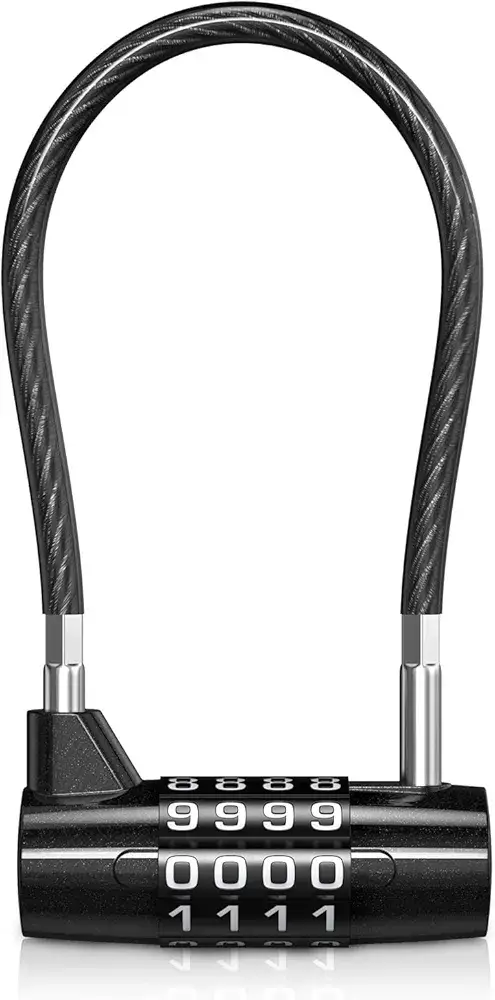
3. Combination locks are a separate category, and mostly a worse one. Two of the three dial locks here are decoded by counting or shimmed with a strip of metal. Convenience has a price and on budget dials the price is most of the security.
4. The lock is only one part of the system. A great padlock on a cheap hasp screwed into soft wood is not a secure installation — the fixings are usually easier to defeat than anything you hang on them. The full version of that argument is in our ABUS review, and the door equivalent is in the frame guide. The weakest link decides the outcome, and it is rarely the part you bought.
If you take one thing
Throw out your Master Lock No. 3. Today. It is not protecting anything.
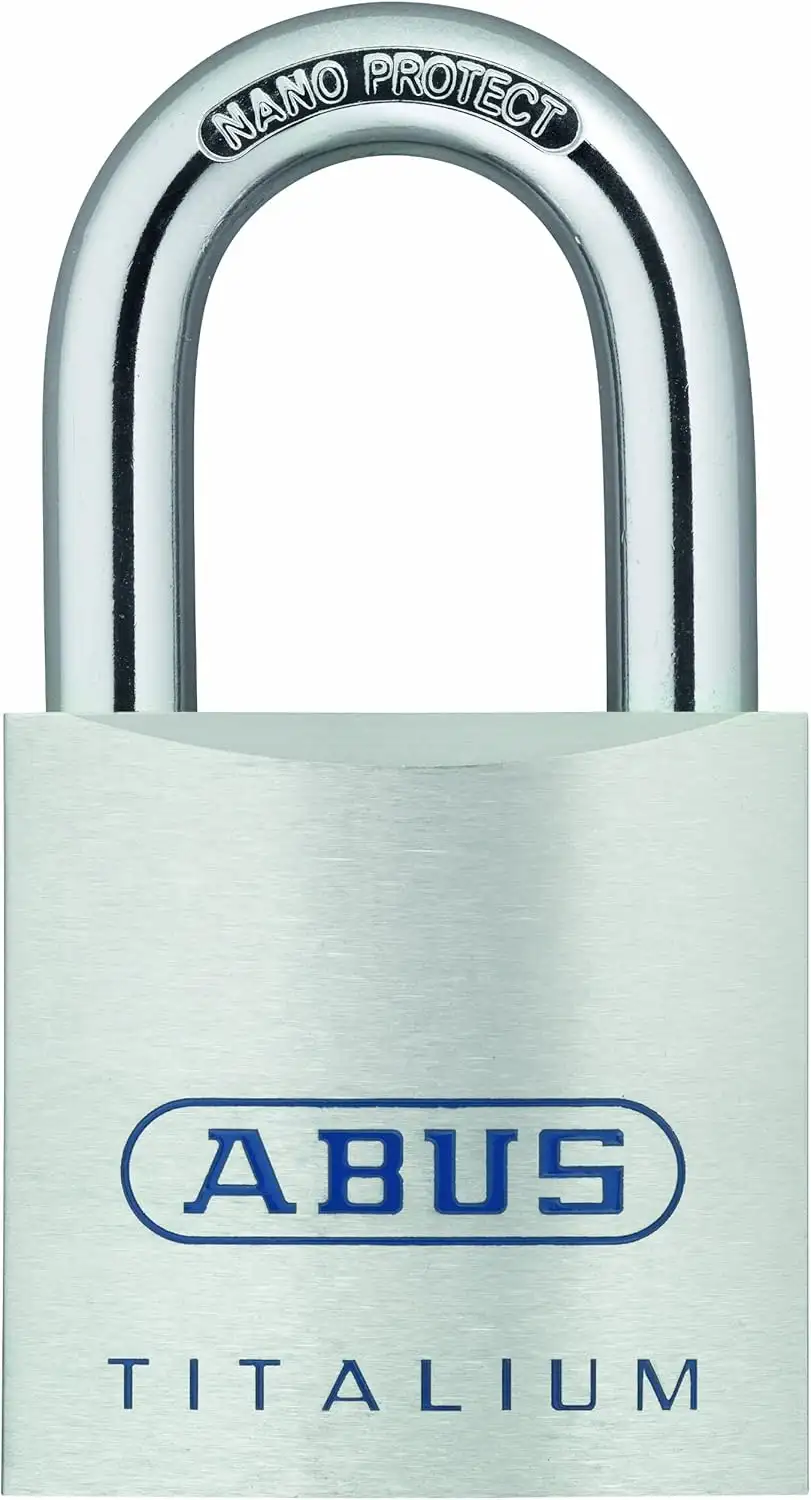
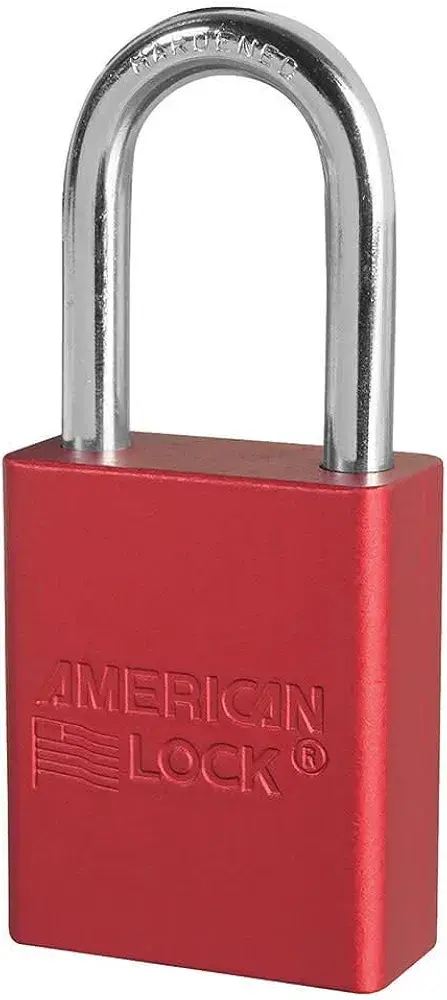
The gap between the best and worst locks on this list is enormous, and most of them cost within $15 of each other. The ABUS 80TI/50 and the American Lock A1100 offer genuine security under $25. The generic brass locks and warded padlocks at the other end offer nothing but the appearance of it.
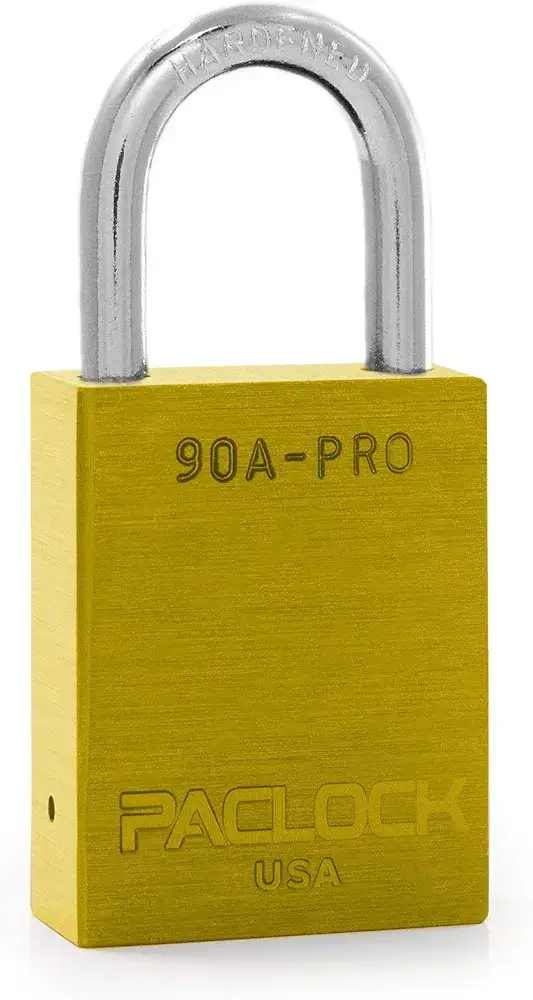
Pick the right lock for the threat you're actually defending against. Bolt cutters: get a Diskus. Picking: the PACLOCK or the American Lock. Convenience at low stakes: the Yale does the job cheaply. Just don't default to whatever's on sale at eye level — that's usually how you end up with a Master Lock No. 3 on something you care about.
Sources & Method
- How this roundup is assessed — mixed
Locks are assessed on cylinder design and pin count, shackle geometry and material, documented bypass vulnerabilities, and build quality. Where we have handled a lock, claims about it carry a Tested tag. Where a vulnerability is well established in the locksport community but we have not personally reproduced it, it carries Community and says so — we don't publish timings we haven't taken.
- Master Lock No. 3 specification — Documented
1-9/16″ (40 mm) reinforced laminated steel body, 9/32″ (7 mm) hardened steel shackle, dual ball-bearing locking, non-rekeyable four-pin W1 cylinder.
Master Lock No. 3 · full write-up in the head-to-head.
- TSA master key timeline — Documented
Washington Post photograph published November 2014; CAD reconstructions posted publicly September 2015 and demonstrated on video the same month; the eighth Safe Skies key reverse-engineered and presented in July 2016.
Schneier on Security ·
the public repository
- Correction — bitting arithmetic — Corrected
An earlier version stated that four-pin locks have 64 possible combinations and six-pin locks 4,096. Those two figures are inconsistent: 4,096 implies four cut depths per position, which gives 256 for four pins, not 64. Corrected throughout.
- Correction — the comb attack on generic brass locks — Corrected
Previously stated as a first-person result with a timing. The vulnerability is real and well documented, but we have not reproduced it ourselves and the timing was not ours. Retagged as Community.
- Correction — shackle thickness — Corrected
We had previously treated shackle diameter as a proxy for cut resistance. Measuring the locks showed the Master Lock No. 3's shackle is thicker than the ABUS 55/40 we recommend. Geometry, not diameter, is what defeats cutters — hence the Diskus.
- ABUS product data — Manufacturer
ABUS published specifications for the Titalium, Diskus and 55 brass series.
ABUS padlock series
- Unit-to-unit variation — Tested
Three ABUS 55/40s, owned and picked by hand. Full detail in that review. Note that differing binding orders between units reflect differing bitting rather than manufacturing inconsistency — which is why this page avoids quoting single opening times as though they were properties of a model.
Prices are retail as of early 2026 and move constantly. If a recommendation here has gone stale, a lock has changed its cylinder, or you have data that contradicts something above, send it over and you'll be credited.