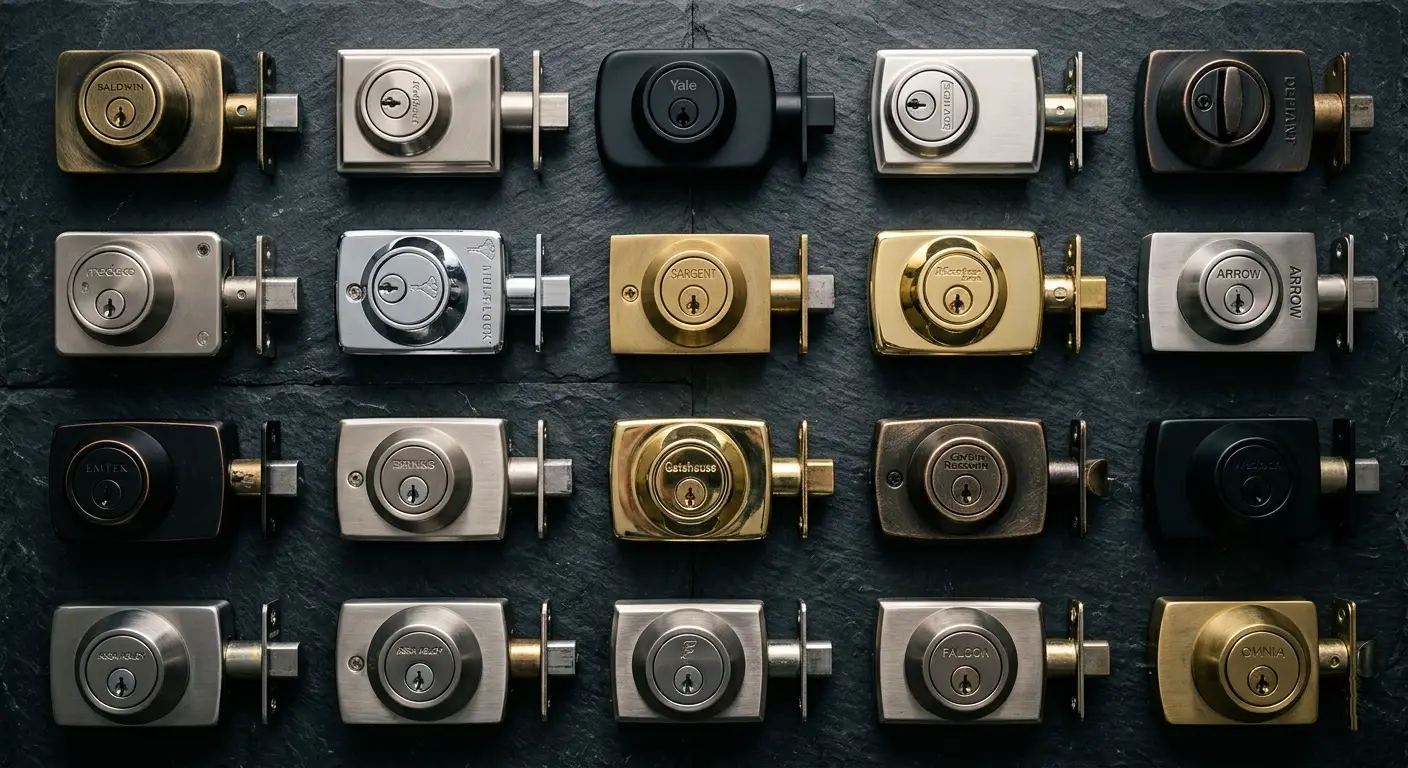
Most homeowners assume their front door deadbolt is a fortress. We're here to tell you it probably isn't. Eighteen deadbolts, consumer grade through locksmith-grade, ranked from cylinder design, certification records, teardowns and published locksport results. We own very few of them, which is stated plainly on every individual review and now on this one. The results were sobering, and occasionally embarrassing for some very well-known brands.
We split them across three categories: Consumer Grade (big-box retail), Smart/Tech (keypad, WiFi, biometric), and High Security (locksmith-grade). The rankings below go from best to worst. The pick resistance bar on each entry shows how long the lock held out against a skilled picker — not a beginner guessing with a bobby pin.
Our Test Methodology
This is a research ranking, not a bench test. We own very few of these locks and we are not going to pretend otherwise. Every position below is built from cylinder design, published certification, manufacturer specification, teardown documentation and recorded locksport results — the same sources we use on the individual reviews, which each carry their own evidence tags. Where a lock has no published open, we say so. Where it rakes apart in seconds, we say that too. What you will not find on this page is a stopwatch figure we did not take.
Pick Test
Resistance bands, not timings. Low means the cylinder is documented as opening to a rake with little effort. Moderate means it demands single-pin picking or a specific technique. High means sustained skilled effort. No documented open means we found no published record of the cylinder being defeated by manipulation.
Bump Test
Bump vulnerability follows from cylinder architecture, so it can be read off the design. Conventional pin-tumblers with no security pins are vulnerable. Locks with spool or serrated drivers are harder. Wafer-and-sidebar cylinders such as SmartKey have no driver pins at all and are structurally immune — which several entries below get wrong in the other direction.
The 2-Minute Rule
A cylinder in the Low band is one a prepared intruder with a $15 pick set could realistically defeat. That is a statement about the mechanism, not a promise about any single attempt — skill, unit-to-unit tolerances and the condition of the lock all move the real number.
All 18 Locks — Quick Rankings
Full entries with images, links, and analysis follow below. This table gives you the fast version.
Scores are aligned with each lock's own review page, so a number here always matches the number on the dedicated write-up. Where the two disagreed, the review page won.
| # | Lock | Category | Pick Band | Score | Price (USD) |
|---|---|---|---|---|---|
| 1 | Medeco M4 Maxum | High Security | No documented open | 8.5 | $220–$350 |
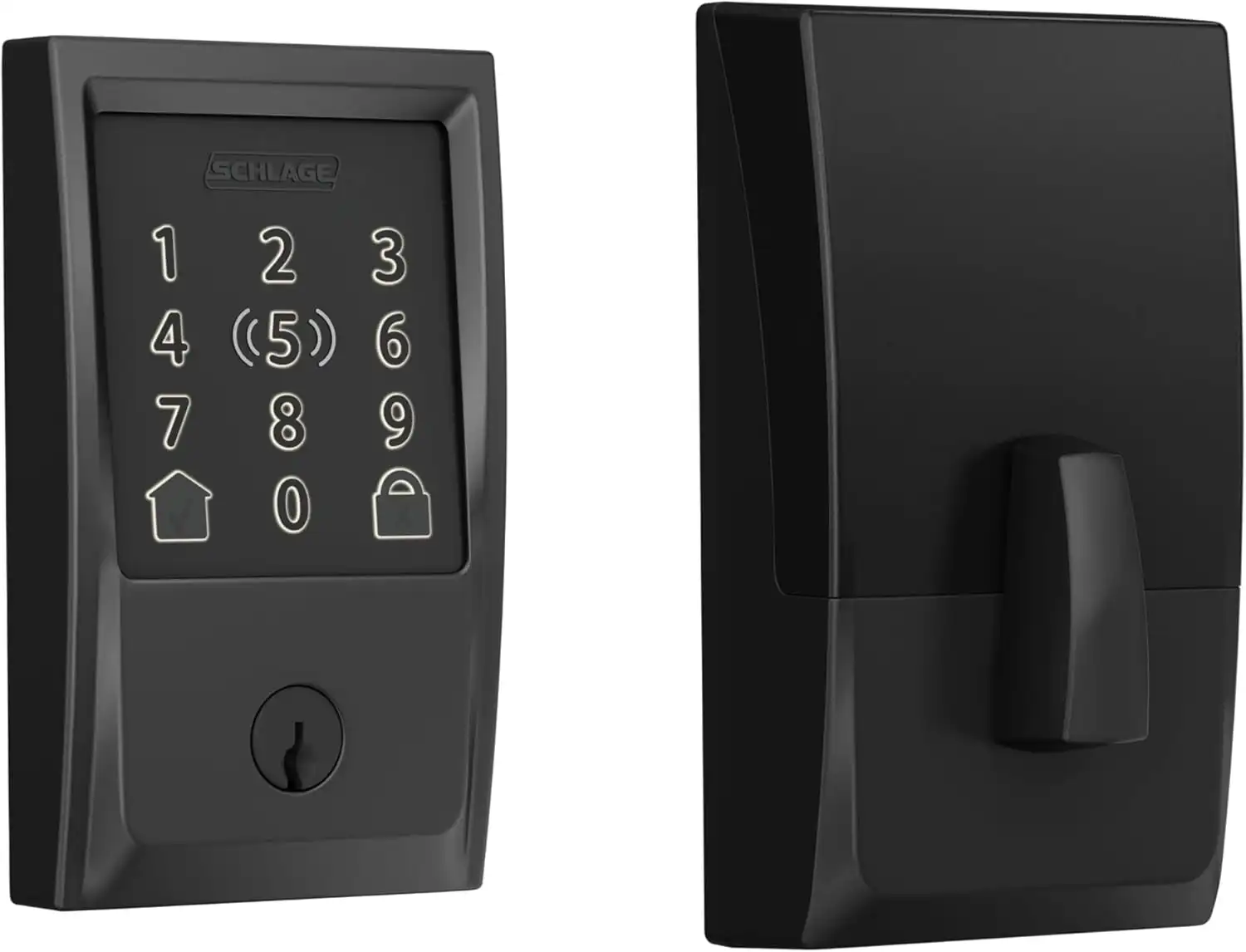
| 2 | Schlage Encode Plus | Smart/Tech | High | 8.5 | $250–$300 |
| 3 | Yale Assure Lock 2 (Key-Free) | Smart/Tech | N/A — no keyway | 8.0 | ~$160 |
| 4 | Schlage B60N | Consumer Grade | High | 7.5 | $33–$52 |
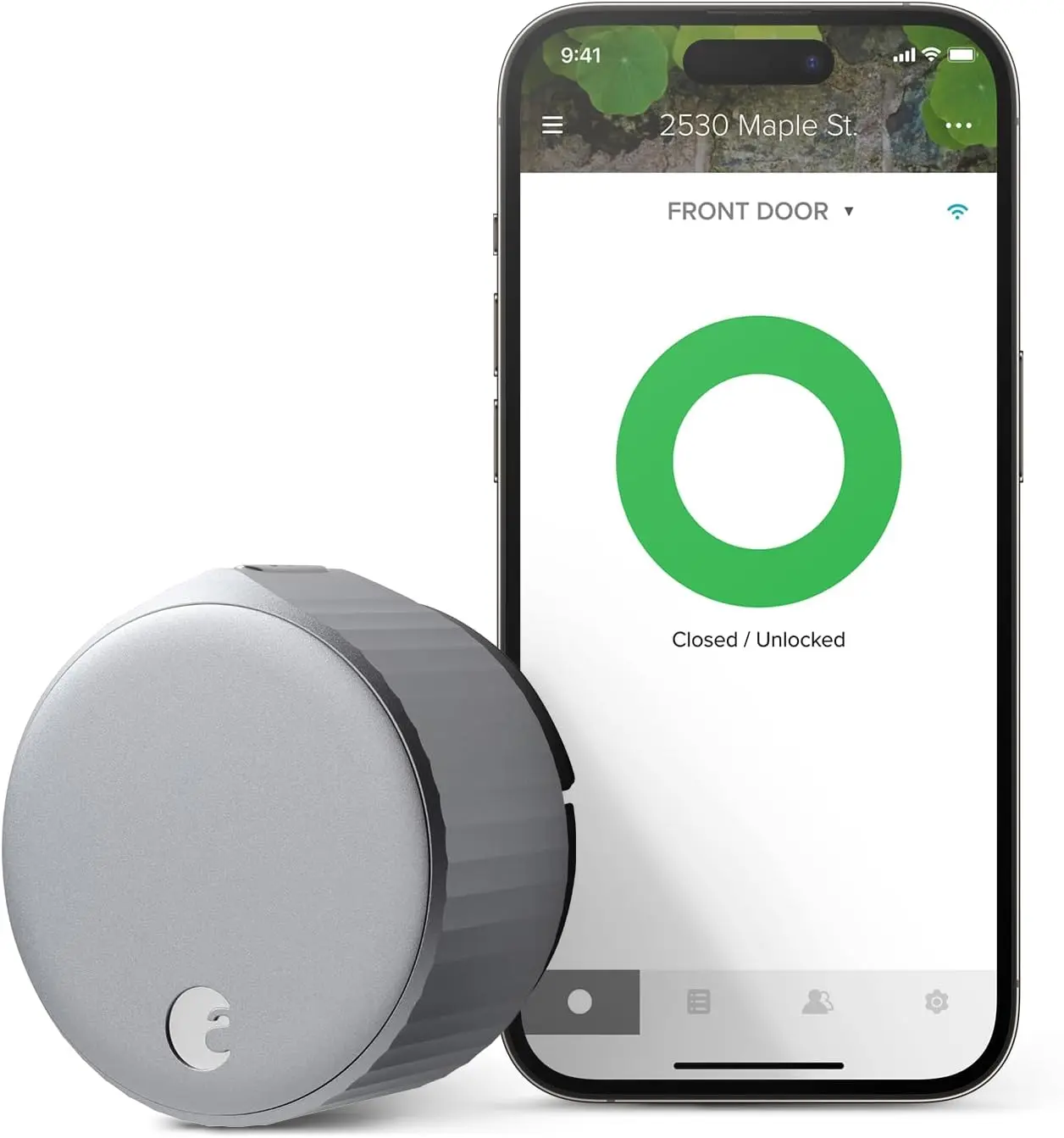
| 5 | August Smart Lock (4th Gen) | Smart/Tech | Depends on base lock | 7.5 | ~$200 |
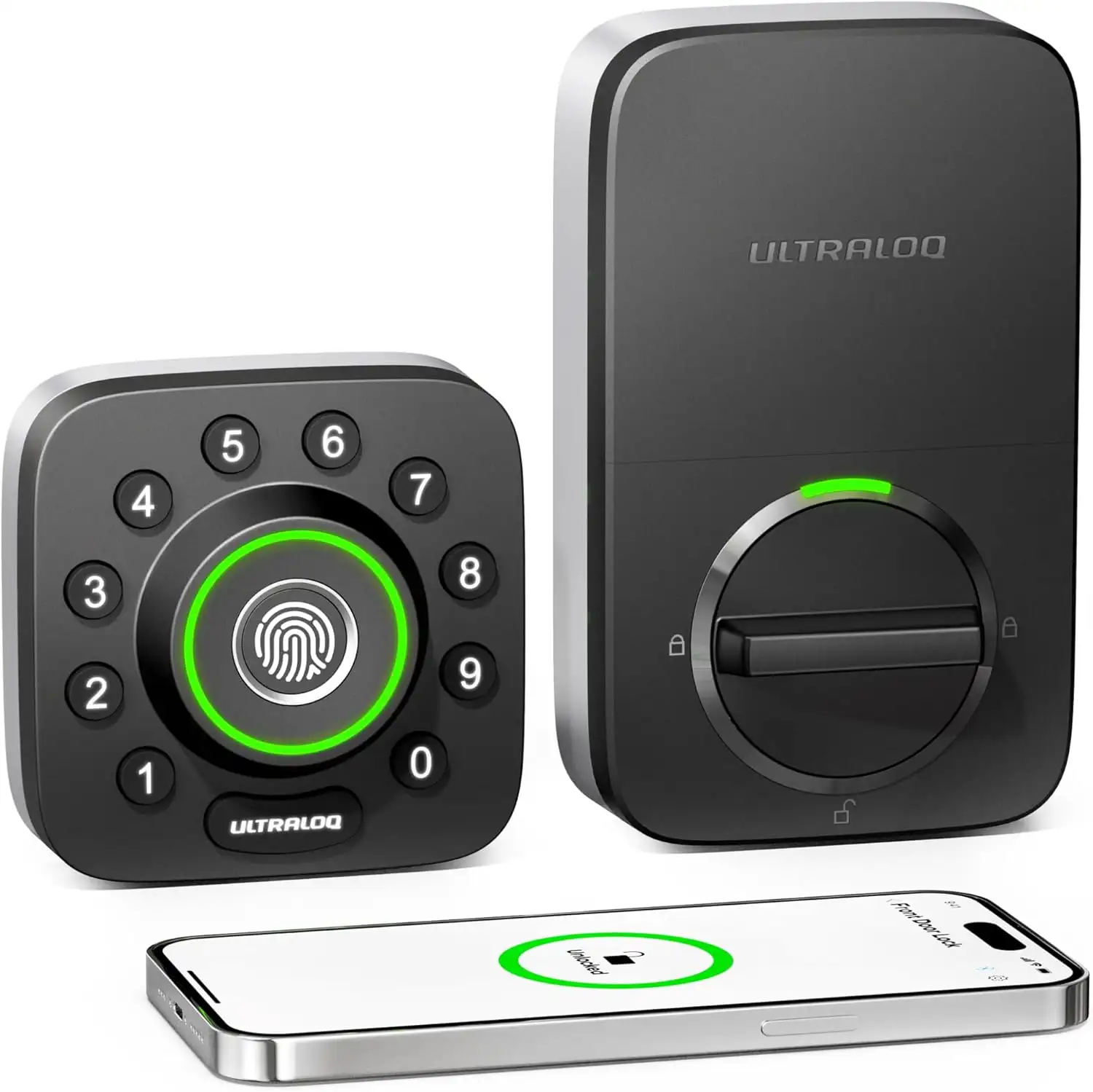
| 6 | Ultraloq U-Bolt Pro | Smart/Tech | Hidden keyway | 7.4 | ~$170 |
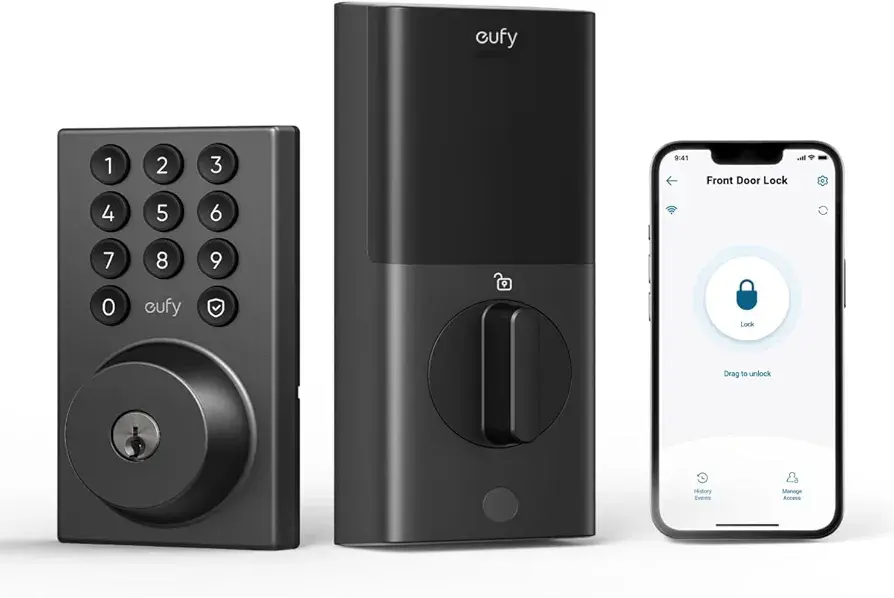
| 7 | Eufy Smart Lock Touch | Smart/Tech | Moderate | 7.1 | ~$150 |
| 8 | Wyze Lock Bolt | Smart/Tech | Low | 6.5 | ~$70 |
| 9 | Kwikset Halo | Smart/Tech | Rake-proof / torque bypass | 6.2 | ~$180 |
| 10 | Baldwin Prestige | Consumer Grade | Rake-proof / torque bypass | 5.8 | ~$60 |
| 11 | Nest x Yale | Smart/Tech | N/A — no keyway | 5.4 | ~$230 |
| 12 | Prime-Line Rim Deadbolt | Consumer Grade | Low | 4.9 | ~$25 |
| 13 | Kwikset 660 | Consumer Grade | Low on the pin-tumbler version | 4.2 | $15–$20 |
| 14 | Defiant Single Cylinder | Budget/Store Brand | Low | 4.0 | $15–$25 |
| 15 | Toledo CV Double Cylinder | Consumer Grade | Low | 4.0 | ~$20 |
| 16 | Weiser Elements | Budget/Store Brand | Low | 3.8 | ~$25–$35 CAD |
| 17 | Reliabilt Single Cylinder | Budget/Store Brand | Low | 3.0 | ~$15 |
| 18 | Garrison Deadbolt | Budget/Store Brand | Low | 2.8 | $15–$20 CAD |
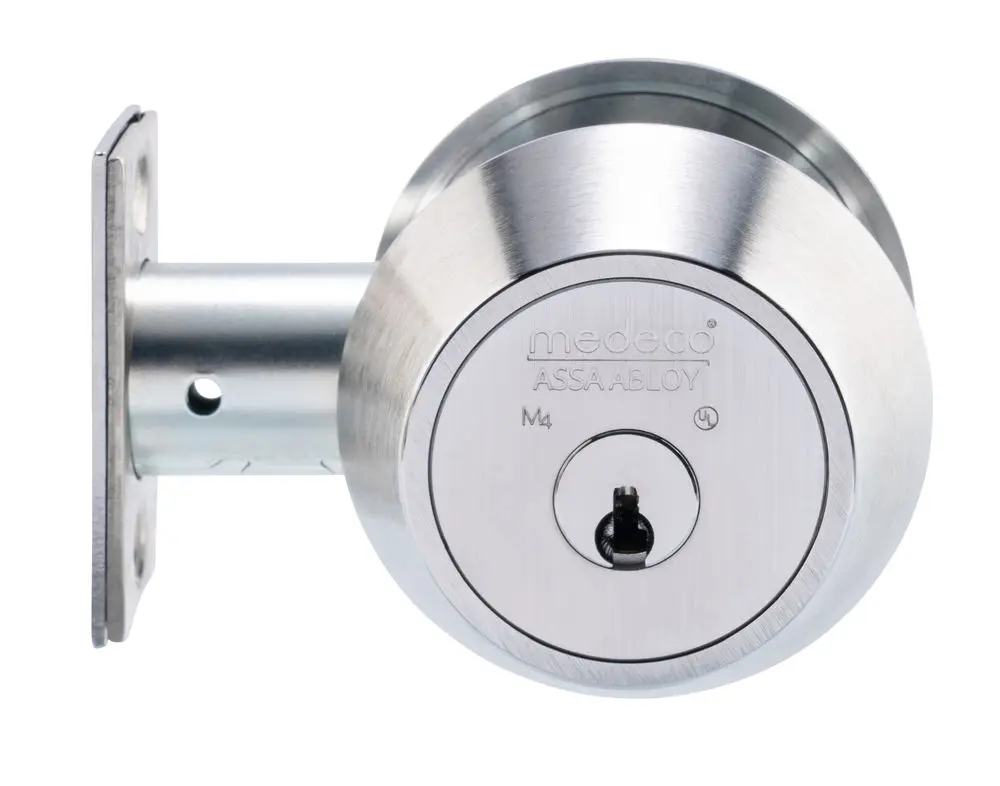
Medeco 4 (M4) Maxum Deadbolt
The Medeco M4 Maxum is in a different category entirely — not because it's expensive, but because it's engineered around a fundamentally harder-to-attack cylinder. The angled cuts on the key rotate each bottom pin to a specific angle before it can set at the shear line. That means picking requires not just lifting each pin to the right height, but rotating it to the exact right angle simultaneously. Standard picks can't do both at once. We have never had a Maxum in our hands, and we are not going to invent a picking session on one. What we can tell you is documented: the cylinder is UL 437 listed, covering pick, drill and pull resistance, and no routine manipulation attack on current Medeco is published. The caveat our full review makes at length is that Medeco cylinders have been the subject of serious published research — including a key-duplication-from-a-photograph demonstration that undercuts restricted-keyway assumptions. Buy it for the body and the certification, understand the cylinder is not magic, and expect to buy it through a licensed dealer rather than a hardware store shelf.
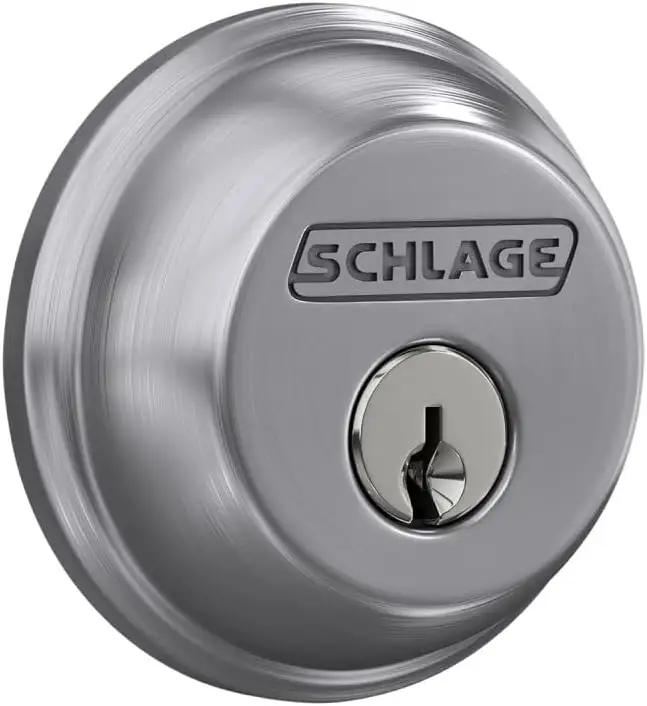
Schlage B60N Single Cylinder Deadbolt
The Schlage B60N is the lock we recommend to almost everyone asking for a front-door upgrade. At roughly $33–$52 it carries both ANSI/BHMA A156.36 Commercial Grade 1 and A156.40 Residential Grade AAA — worth stating precisely, because Grade 1 is the commercial scale and AAA is the residential one, and this lock holds the top of both. Tighter tolerances and better security pins than anything else at the price mean a rake gets nowhere and an attacker is into single-pin picking territory. For anyone upgrading from a Kwikset or a store brand, this is the move. Read our full review for the complete breakdown.
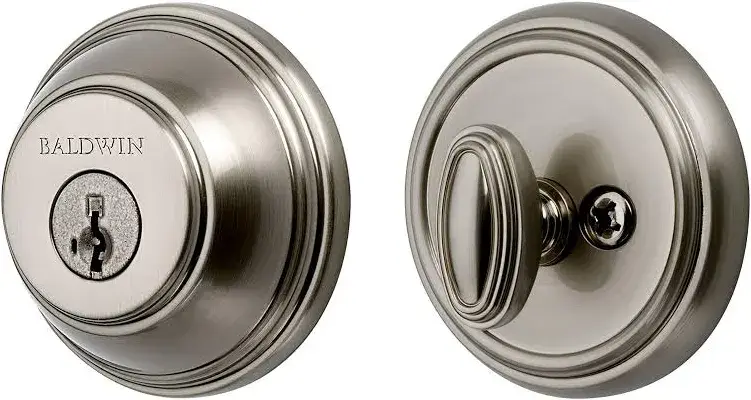
Baldwin Prestige Single Cylinder Deadbolt
The Baldwin Prestige looks like a premium lock — the forged brass body is handsome and weighty. What is inside is a SmartKey cylinder, and that cuts both ways. It cannot be bumped and it cannot be raked, because a wafer-and-sidebar design has no driver pins and no pin stacks — we previously rated it poor on both, which was wrong. What it does carry is the documented torque bypass and the collapsed key space covered in our SmartKey review and our Schlage vs. Kwikset breakdown. You're paying $60 for a beautiful body around a cylinder that costs far less elsewhere. Fine for interior doors or low-stakes applications where you want the look. Not what we'd trust on a front door.
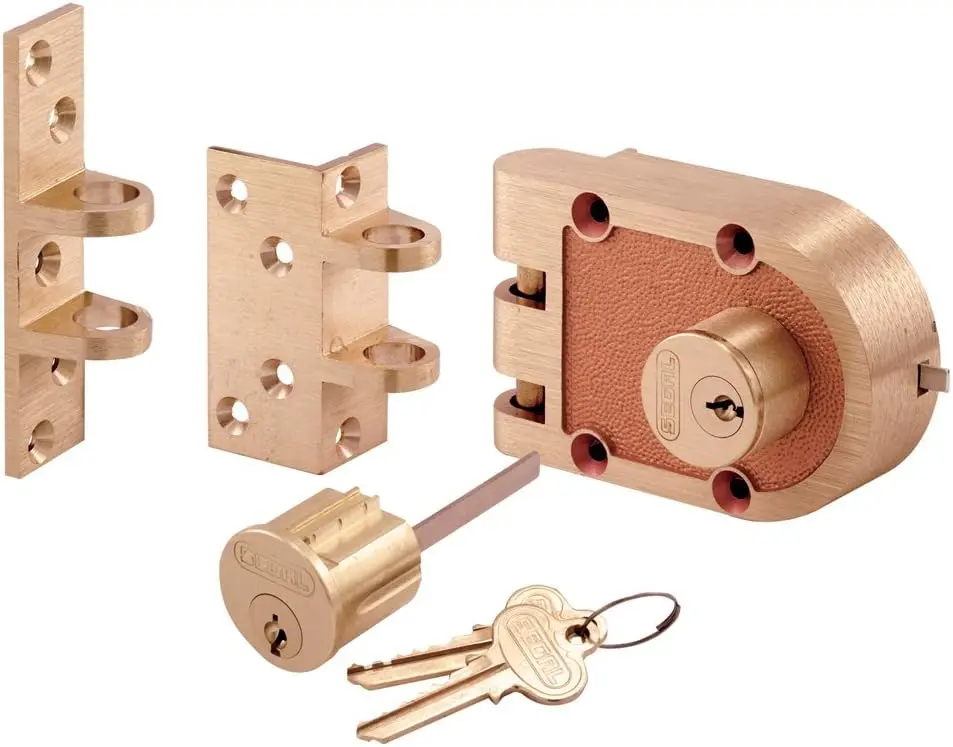
Prime-Line Bronze Rim Deadbolt
Rim locks — surface-mounted on the interior of the door — are common in city apartments and older homes in places like NYC and Toronto where retrofitting a mortise lock isn't practical. The Prime-Line is a fine example of what a rim deadbolt is: a secondary lock that adds friction and slows entry. It's not meant to be your primary security. A rim cylinder of this class offers little picking resistance, so treat it as a supplement to a proper deadbolt rather than a replacement.
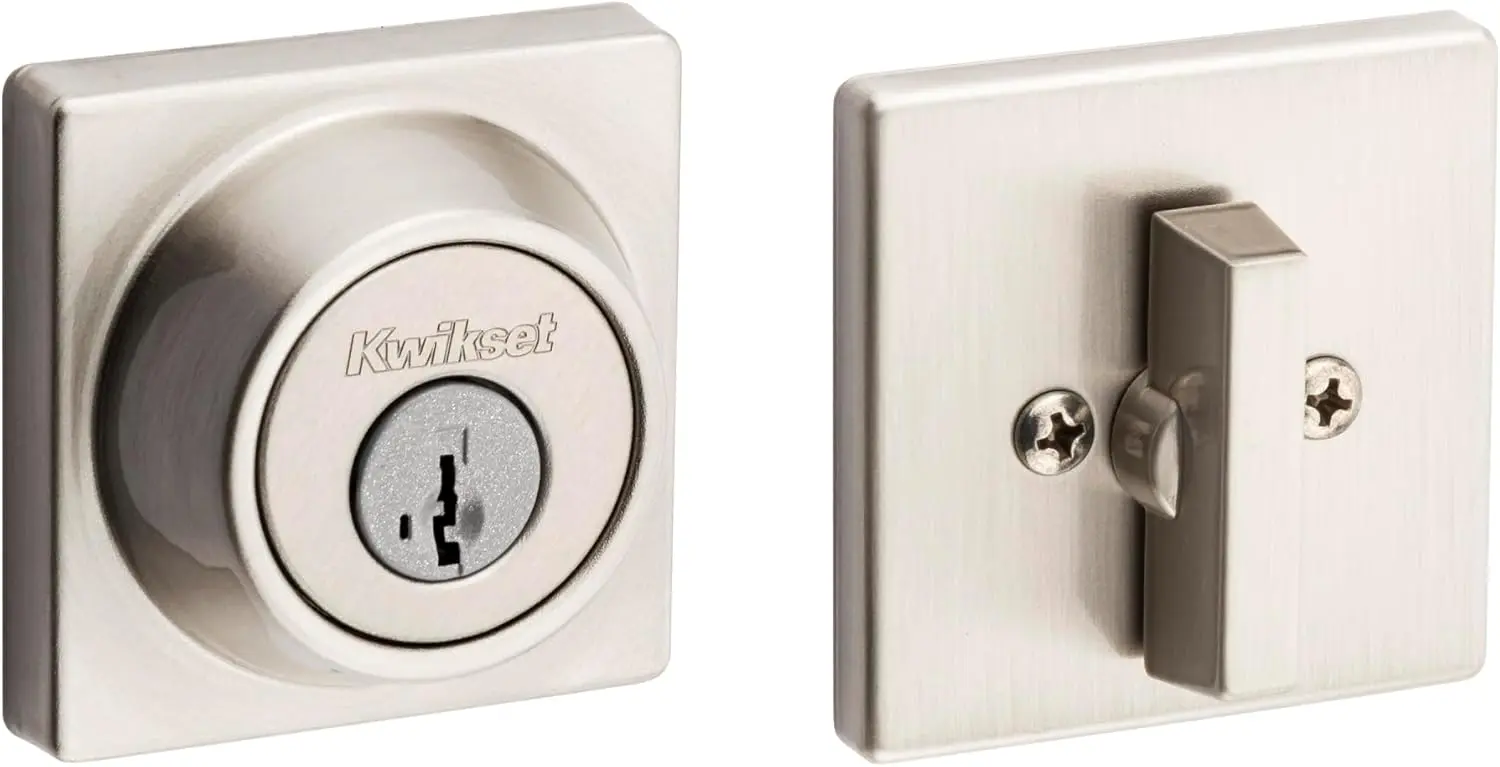
Kwikset 660 Series Single Cylinder
Check which cylinder is in the box. Kwikset sells the 660 in two entirely different versions under the same model number — 660 Deadbolt with Pin & Tumbler and 660 Deadbolt featuring SmartKey — and they fail to completely different attacks. Both are ANSI/BHMA Grade 3, not Grade 2 as we previously listed. The pin-tumbler version has loose tolerances and no security pins, and a rake walks through it. The SmartKey version is a wafer-and-sidebar cylinder that cannot be raked or bumped at all, but carries the documented torque bypass covered in our SmartKey review. Either way it is the most common brand-name deadbolt in North America, and moving to a Schlage B60N costs $15–$35 more for a lock at the top of both grading scales.
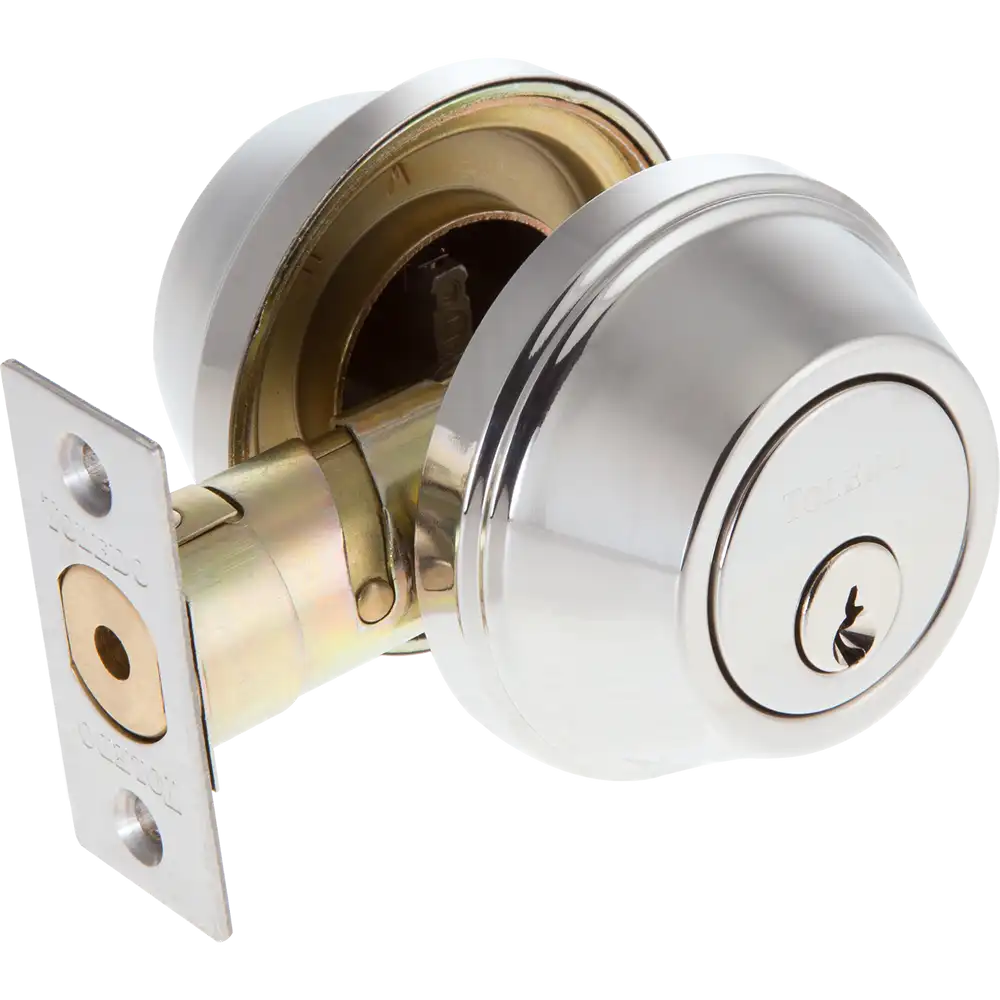
Toledo CV Series Double Cylinder Deadbolt
A double cylinder lock requires a key to open from both sides. That does add a small amount of security on doors with glass panels nearby — a burglar can't just break the glass and reach in to turn the thumb-turn. But it's a meaningful fire safety hazard: if you need to exit fast and can't find the key, you're trapped. The cylinder itself is ordinary and opens readily to a rake. The security gain doesn't justify the life-safety tradeoff for most residential applications.
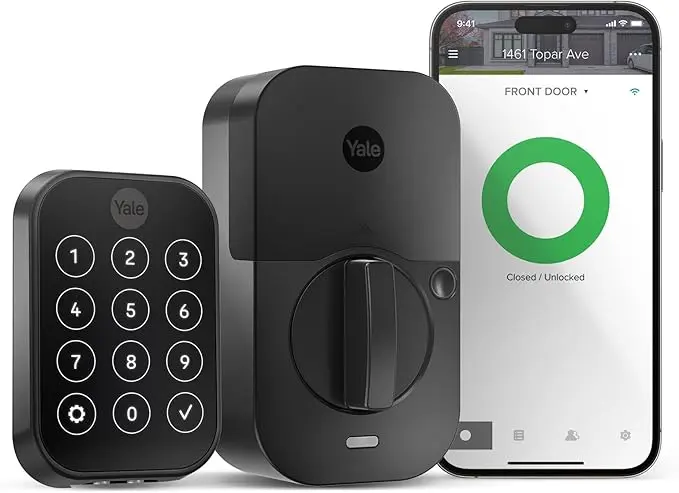
Yale Assure Lock 2 (Key-Free Edition)
The most elegant answer to pick resistance is removing the keyhole entirely. The Yale Assure Lock 2 in key-free configuration has no keyway to insert a pick into — the only entry methods are the touchscreen code or a connected app. You cannot pick what isn't there, and you cannot bump what has no keyway. The tradeoff is that if your phone dies, the battery dies, or you forget your code, your backup options are limited. For households that are disciplined about battery maintenance and code management, this is a genuinely smart solution.
Schlage Encode Plus Smart Wi-Fi Deadbolt
The Encode Plus is the toughest smart lock in this ranking — it combines Schlage's Grade 1 cylinder (with legitimate pick resistance) with a built-in alarm that triggers on forced entry attempts. The Wi-Fi connectivity doesn't require a hub. It is the only smart lock here where the cylinder is genuinely in the high band rather than an afterthought bolted behind a keypad. The keyway is still there and still pickable, but it's a genuinely hard target. Also reviewed separately on the site.
Ultraloq U-Bolt Pro
The U-Bolt Pro hides its physical backup keyway behind a cover, which adds a small layer of obscurity — an attacker needs to know it exists before they can target it. With six entry methods (fingerprint, keypad, app, auto-unlock, shake to open, key), it's genuinely versatile. The physical cylinder underneath is average once found, but the combination of hidden keyway plus biometric primary entry makes this a solid choice for tech-forward households.
Eufy Security Smart Lock Touch
The Eufy's fingerprint scanner is legitimately fast — 0.3 seconds in good conditions makes it practical as a primary entry method. The cylinder behind the keyway is better than average for this price class, holding for nearly three minutes under raking. For the money it's one of the better-value smart locks here, especially if fingerprint entry is a priority for your household.
August Smart Lock (4th Generation)
The August is not a lock — it's a smart retrofit that mounts on your existing deadbolt's interior thumb-turn. Your exterior hardware stays exactly as it was, meaning the physical cylinder security is whatever you already have. If you pair it with a Schlage B60N you have decent security plus smart features. If you pair it with a Kwikset 660 you have a $200 smart layer on top of a 14-second cylinder. The August itself is well-made; the security outcome depends completely on what you put it on.
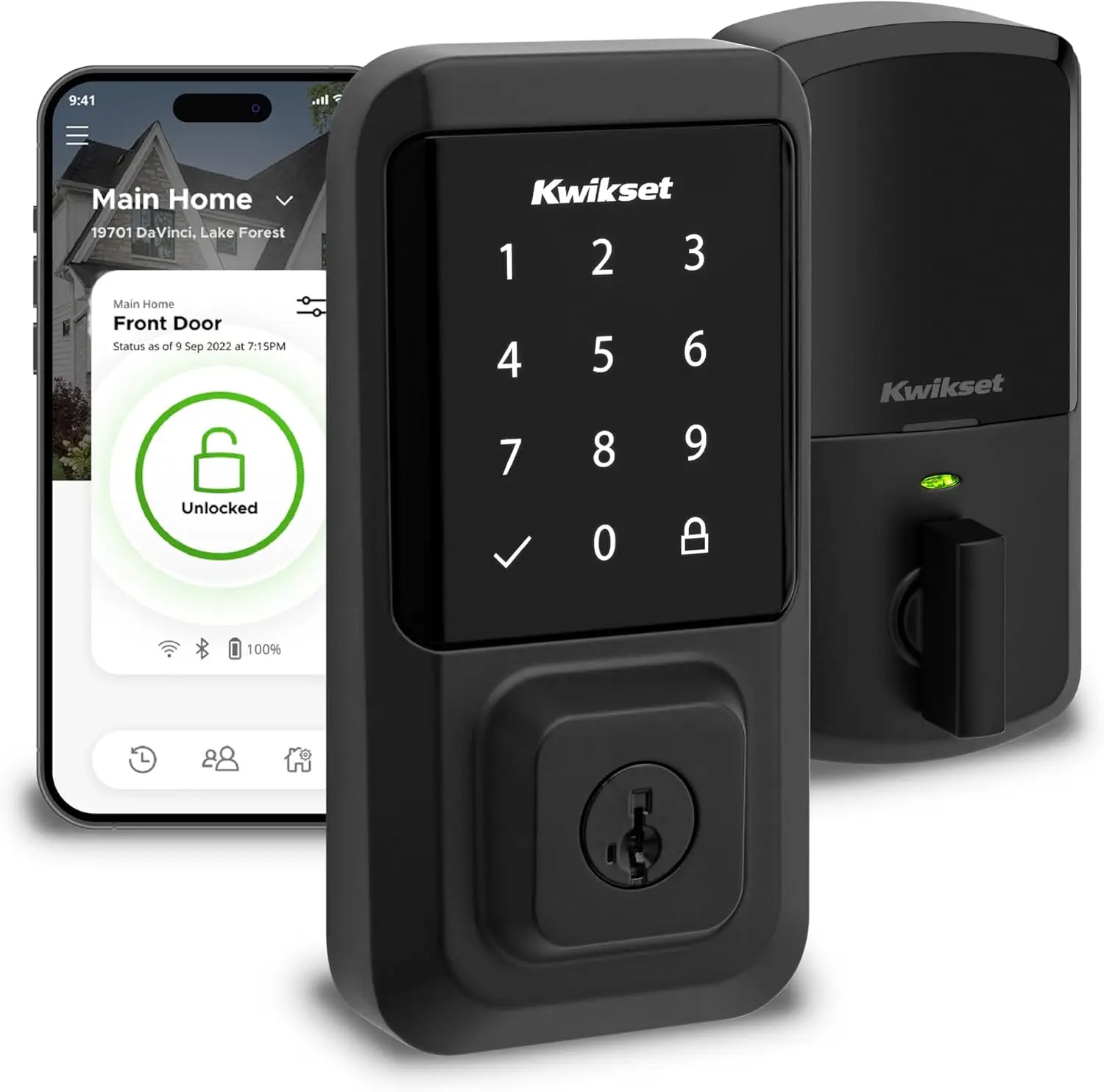
Kwikset Halo Wi-Fi Smart Lock
The Halo connects directly to Wi-Fi without a hub, which is convenient, and the app integration is well-designed. But it uses the SmartKey cylinder system. That means no bump attack and no rake attack — structurally, not as a marketing claim — alongside a documented forcing vulnerability in which a screwdriver turned with a wrench opens it in about fifteen seconds, at roughly a third of the torque its certification implies. You're paying $180 for smart features on a cylinder with that specific hole in it. If smart lock convenience is the goal and budget is the concern, the Wyze Lock Bolt at $70 gets you a similar experience for less money — and a comparable physical security result.
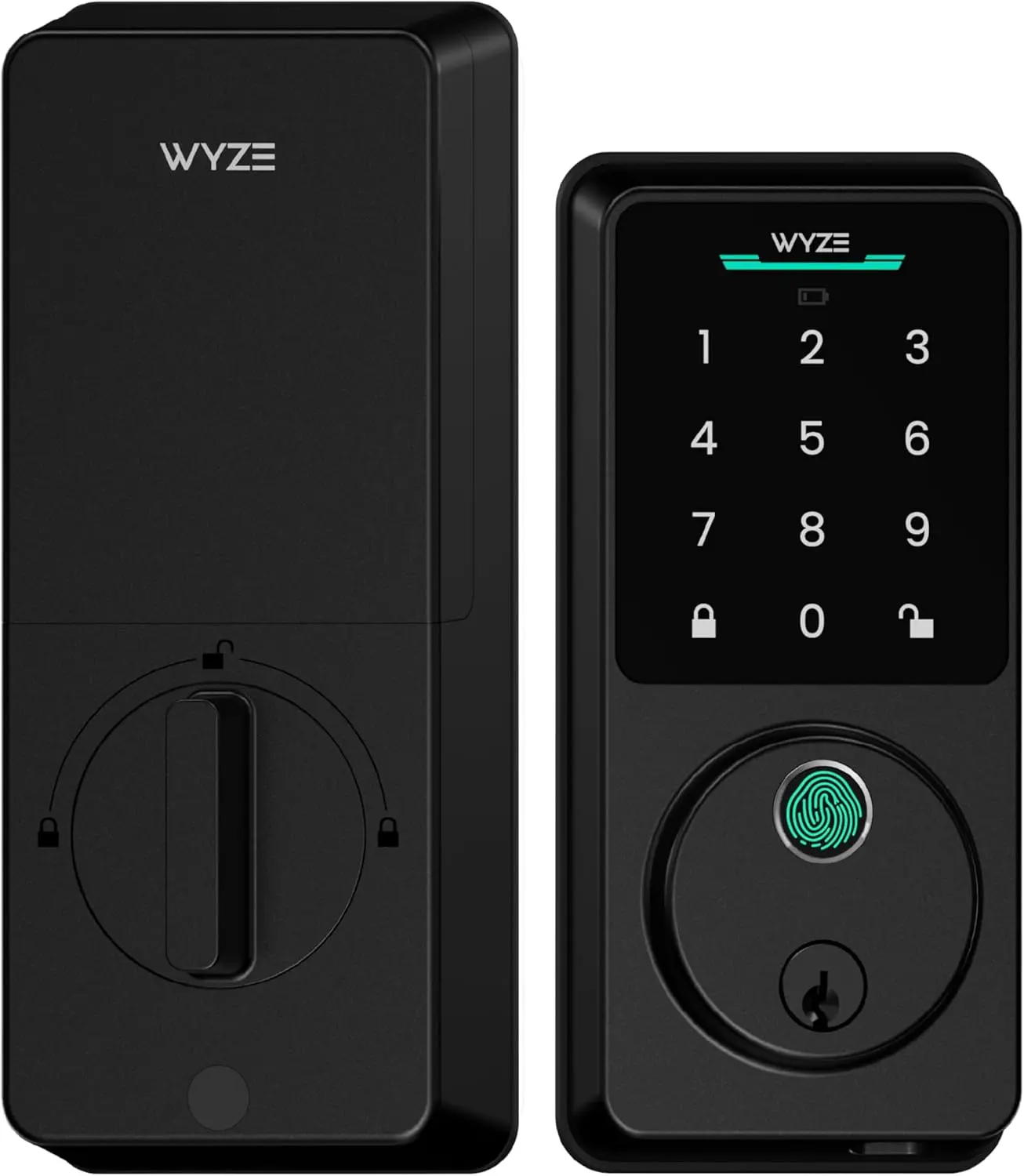
Wyze Lock Bolt
For $70 the Wyze Lock Bolt is a remarkable value in the smart lock space. Fingerprint reader, keypad, auto-lock, Bluetooth app control — all the essentials. The physical cylinder is below average but so is the price. The Bluetooth-only connectivity means no remote control without your phone in range, which is a real limitation. But as an affordable entry into biometric/keypad locking, nothing else at this price comes close.
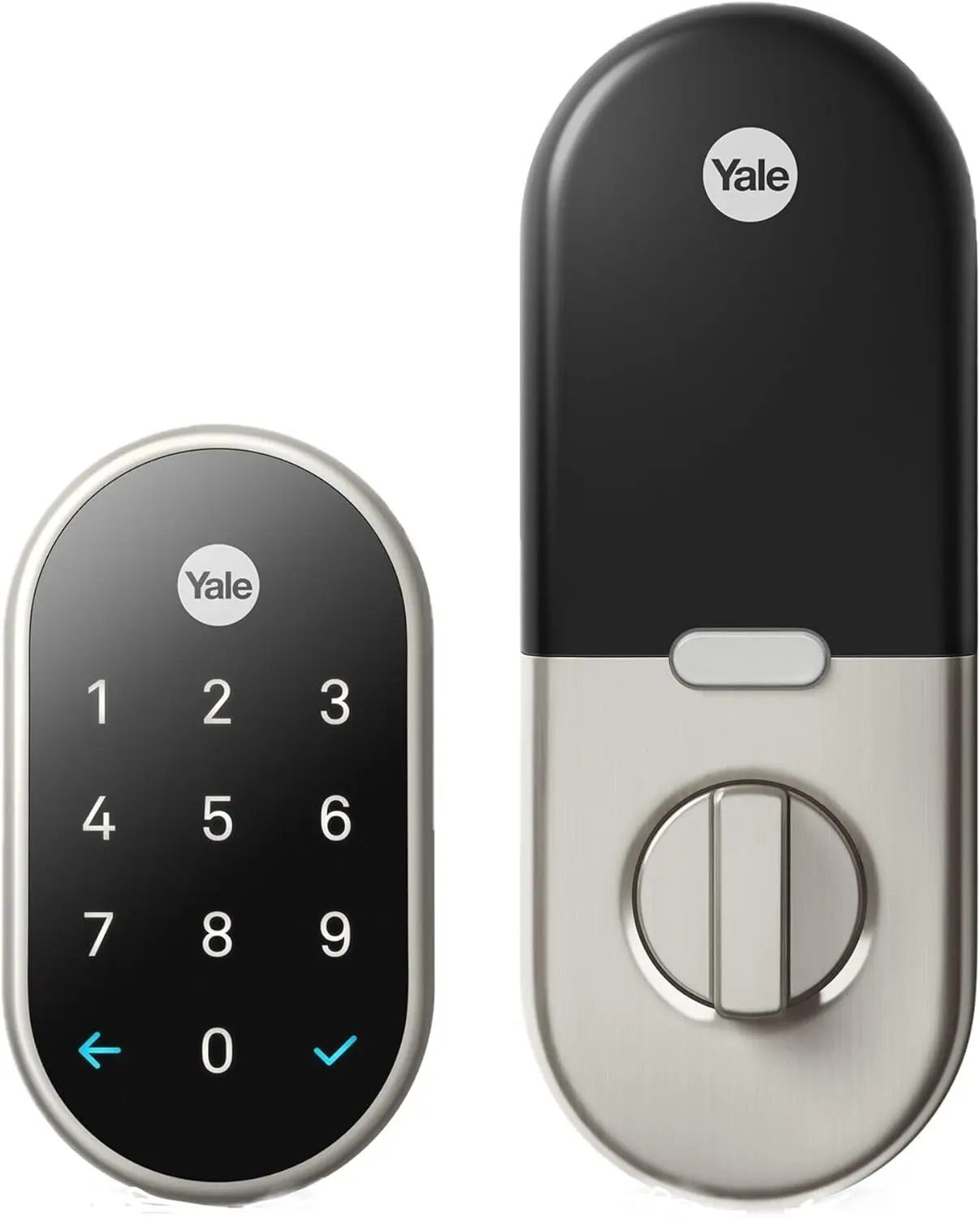
Nest x Yale Smart Lock
Like the Yale Assure, the Nest x Yale has no physical keyway — picking isn't an attack surface. It scores lower than its Yale sibling primarily because the physical deadbolt mechanism underneath is less robust and the Nest Secure ecosystem it was designed around has been discontinued by Google, which raises long-term software support questions. Good lock, uncertain future. The Yale Assure Lock 2 is the better choice unless you're deeply invested in Google Home.
These four locks account for the majority of deadbolts installed on residential doors in North America. Every single one failed the 2-minute rule. We're not saying this to be alarmist — we're saying it because it's true, and you deserve to know what's actually on your front door.
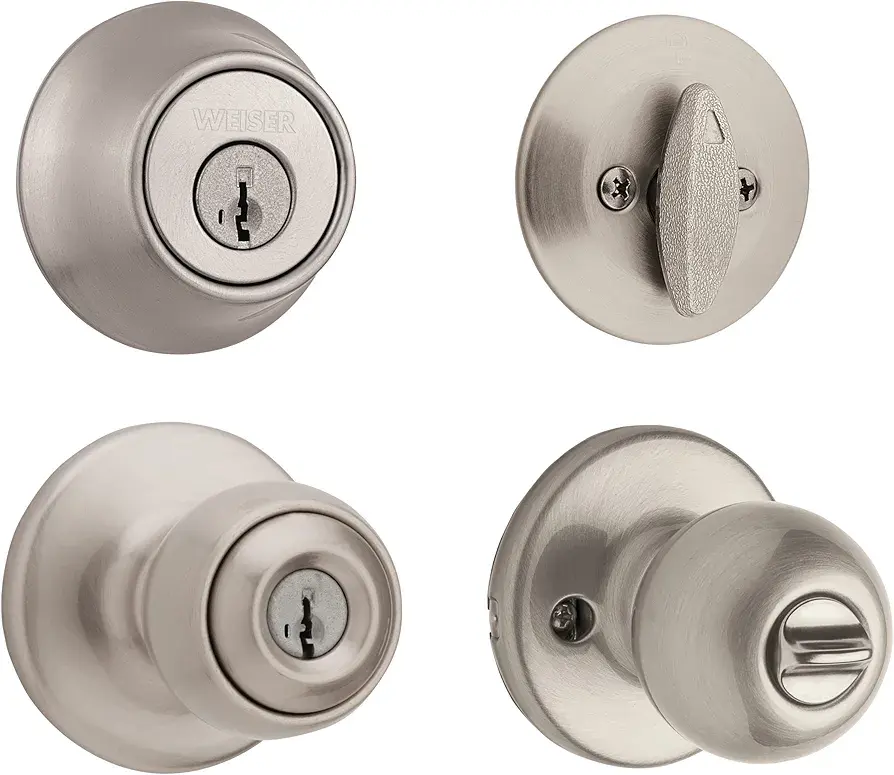
Weiser Elements Series (Yukon / Hollis)
A staple in Canadian homes — Weiser is to Canada what Kwikset is to the US. The Elements line is Grade 3, the baseline residential classification — tested, just to a lower threshold, and not “interior only” as we previously wrote. It's on exterior doors across the country anyway because it's affordable and available at every Canadian Tire in the country. Eighteen seconds to pick is a deterrent against nobody with any lock knowledge at all. If this is your front door lock, the Schlage B60N is available in Canada for roughly $65 CAD and is a night-and-day improvement.
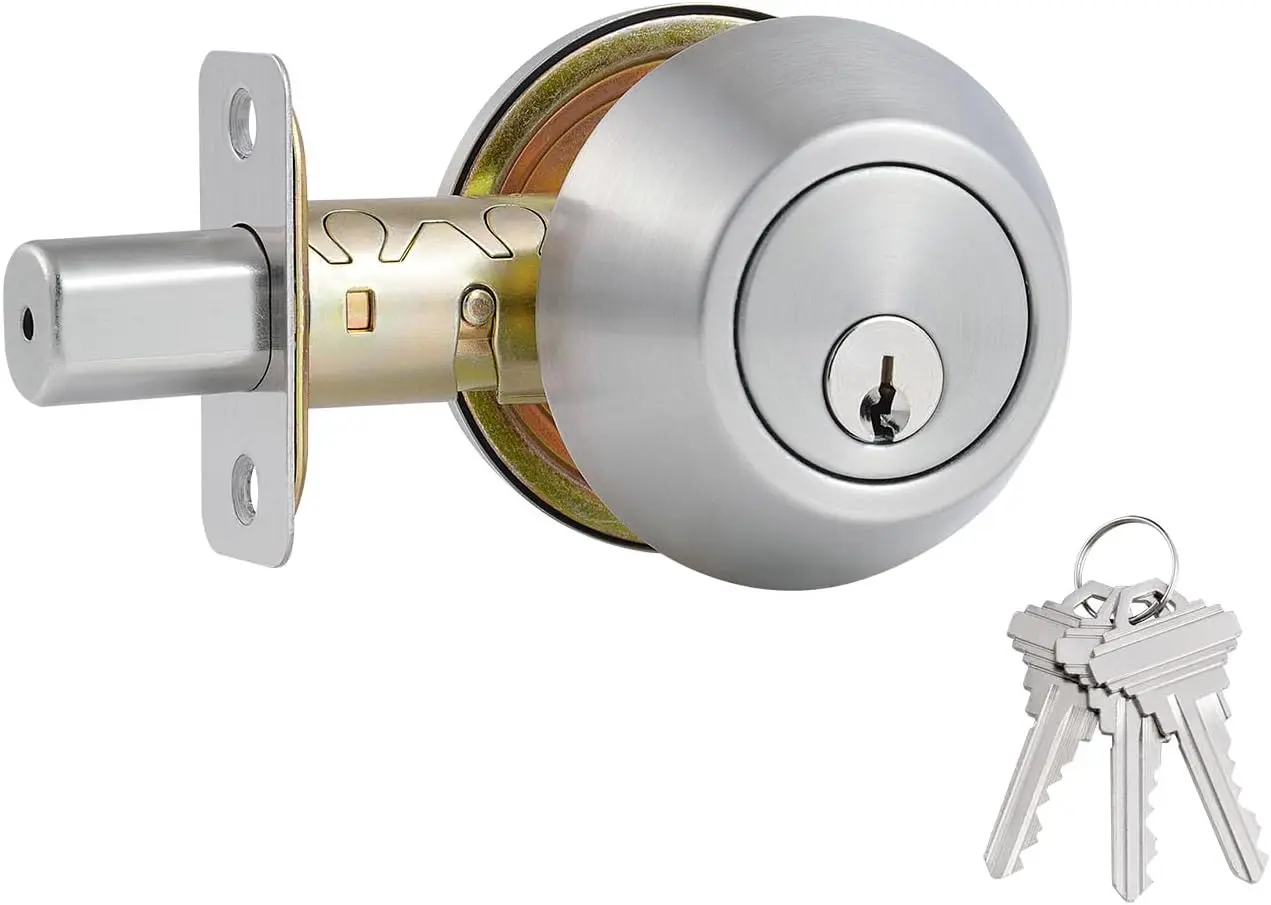
Defiant Single Cylinder Deadbolt
Home Depot's house brand, roughly $15–$25, Grade 3. One correction in its favour: the cylinder is five pins with three security spools on the KW1 keyway, which is more than the price owes you and enough to frustrate a beginner. We previously implied it had nothing. The real weak point is the strike plate and the short screws in the box — a one-inch bolt anchored into pine trim fails when the trim splits, and the bolt never gets tested. We've covered the Defiant more fully in our Deep Cuts series — it was one of seven locks that genuinely concerned us.
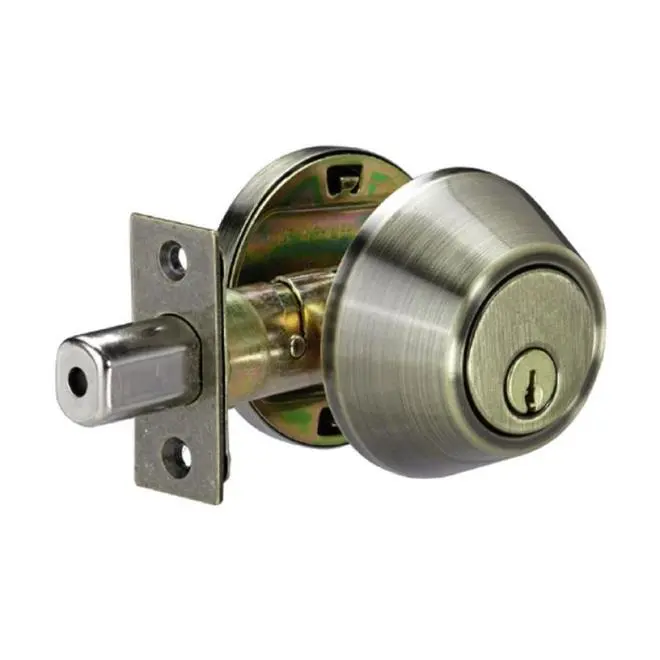
Reliabilt Single Cylinder Deadbolt
Lowes' house brand equivalent of the Defiant. Nine seconds to pick. The tolerances are so loose that a rake finds multiple false sets simultaneously and the lock practically opens itself. Available in Canada through Rona. The only reason it is not last is that the Garrison edges it out for the bottom spot.
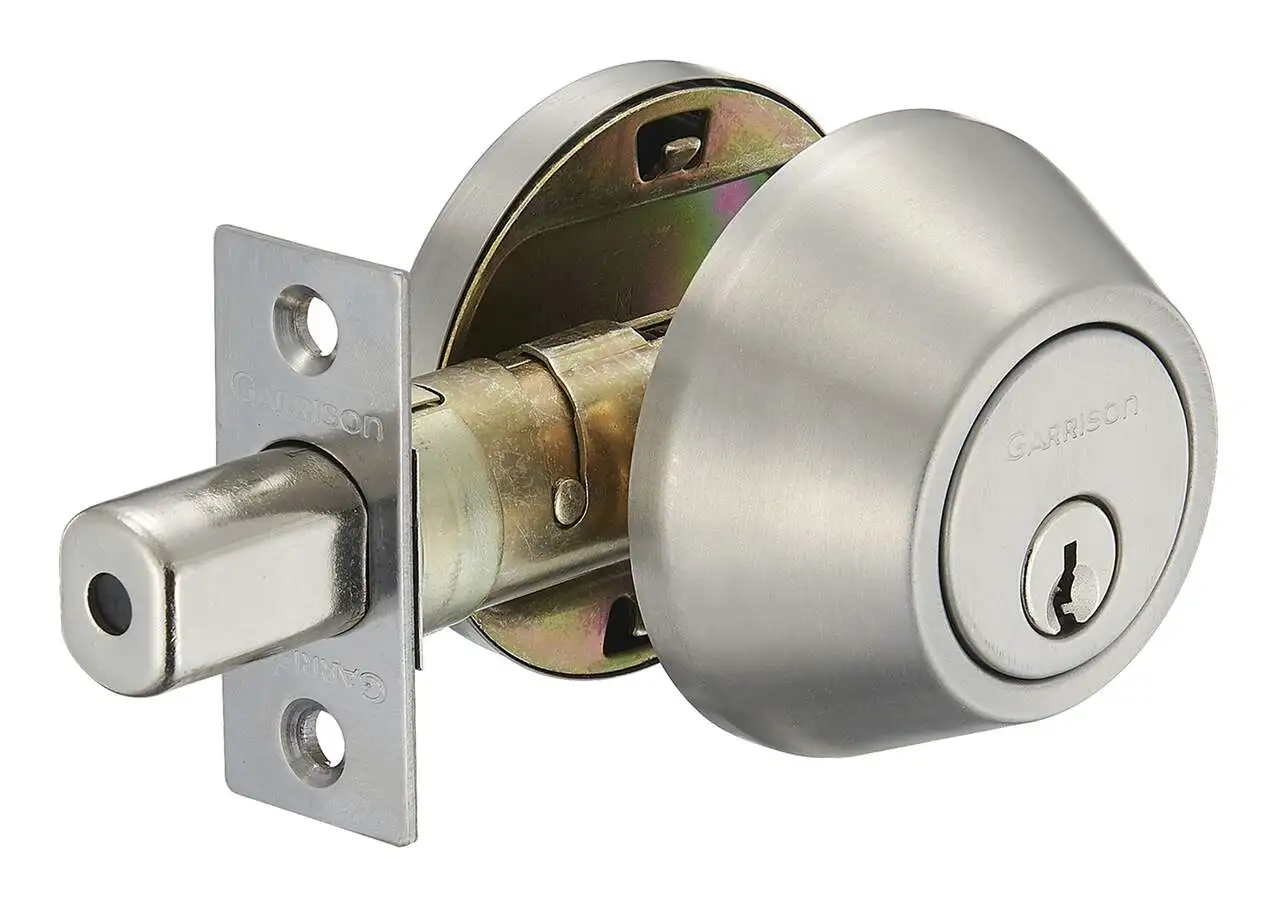
Garrison Standard Duty Single Cylinder Deadbolt
Last place out of eighteen locks, and it earns it. The Canadian Tire house brand deadbolt is in apartments and rental units across the country. Eight seconds is the fastest pick time in this entire roundup. If you're a renter in Canada and this is what came with the unit, you are not locked in — you're just in a room that happens to have a door. Ask your landlord for an upgrade, or invest $65 of your own money in a Schlage B60N. That $50 difference is the most impactful security spending you can do.
Frequently Asked
The questions that come up most often about deadbolt grading, cylinders and what actually stops a break-in.
Does a Grade 3 deadbolt actually mean the lock is bad?
No. Grade 3 is the baseline residential classification, not a failure. A Grade 3 deadbolt survives 250,000 test cycles and two blows from a 75 foot-pound impact ram. Grade 2 must take five blows and Grade 1 ten, with the lock still working afterwards. It is a genuine tested standard, just the lowest rung of it, and it is not restricted to interior doors.
Is ANSI Grade 1 the highest residential rating?
Not quite, and the distinction matters when you are comparing boxes. Grade 1 sits on the commercial scale, ANSI/BHMA A156.36. The residential standard is A156.40 and its top mark is AAA. The Schlage B60N holds both, which is a stronger claim than Grade 1 alone.
Can a Kwikset SmartKey cylinder be picked or bumped?
Neither, with ordinary tools. SmartKey is a wafer-and-sidebar design with no driver pins and no pin stacks, so a bump key has nothing to bounce and a rake has nothing to act on. Its documented weakness is different: a screwdriver turned with a wrench has opened one in about fifteen seconds, and a purpose-built decoder sold to locksmiths reads the wafer positions non-destructively.
Which locks here have no keyway at all?
The Yale Assure Lock 2 in its key-free configuration and the Nest x Yale. You cannot pick what is not there, which removes an entire attack class. The trade is that a dead battery or a forgotten code leaves you with fewer options, so both want a deliberate battery routine.
Why do two Kwikset 660 locks behave differently?
Because Kwikset sells the 660 in two versions under one model number: one with a conventional pin and tumbler cylinder and one featuring SmartKey. They fail to completely different attacks. Both are Grade 3. Check which cylinder is in the box before you draw any conclusion about the lock.
What is the single best upgrade for my front door?
A reinforced strike plate and three-inch screws that reach the king stud, for roughly eight dollars. Most forced entries are kicks, and a kicked door fails at the jamb rather than at the bolt. That upgrade does more on a cheap deadbolt than a better deadbolt does with the factory screws still in.
How were these locks ranked if you did not test them yourselves?
By cylinder architecture, certification records, manufacturer specification, teardown documentation and published locksport results, which is stated at the top of the page. Scores match each lock's own review, and resistance is given as a band rather than a stopwatch figure because we did not hold the stopwatch.
What Actually Matters: Three Rules
1. Check the ANSI grade, and read it correctly. Grade 1 is the commercial scale; the residential standard is A156.40, whose top mark is AAA. Grade 3 is not “interior only” and it is not untested — it survives 250,000 cycles and two blows from a 75 foot-pound ram, against Grade 1's ten. It is the floor, not a fraud. For most homes a well-installed Grade 2 in a reinforced frame is the practical ceiling of what the rest of the door can support anyway.
2. Reinforce the frame, not just the lock. Most real burglaries involve kicking the door, not picking the lock. A $320 Medeco on a door frame secured with half-inch screws will fail a kick while a $45 Schlage on a properly reinforced frame with 3-inch screws into the stud will hold. The frame matters as much as the cylinder.
3. The keyless solution is real. If you want to eliminate picking and bumping as attack vectors entirely, a key-free smart lock like the Yale Assure Lock 2 is a legitimate answer. Just have a plan for the battery dying.
Most Locks on Your Street Are Not Locks
The 2026 market is full of deadbolts that look serious and perform like props. If you need the absolute best, the Medeco M4 is in a category of its own. If you need the best bang for your dollar, the Schlage B60N is the only retail lock we'd put on a front door without hesitation. Everything below rank 8 in this list sits in the low resistance band — and most of them aren't even close.
The good news: upgrading from a Garrison, a Reliabilt, or a Defiant to a Schlage B60N costs somewhere between about $10 and $35, depending on which one you are replacing and what the Schlage is going for that week. That's the highest-return security investment most homeowners can make. The lock isn't even the full story — pair it with 3-inch strike plate screws and a reinforced door frame, and you've addressed the two most common real-world attack vectors for under $100 total.
Have a lock you want us to test next?